
Container Gardens
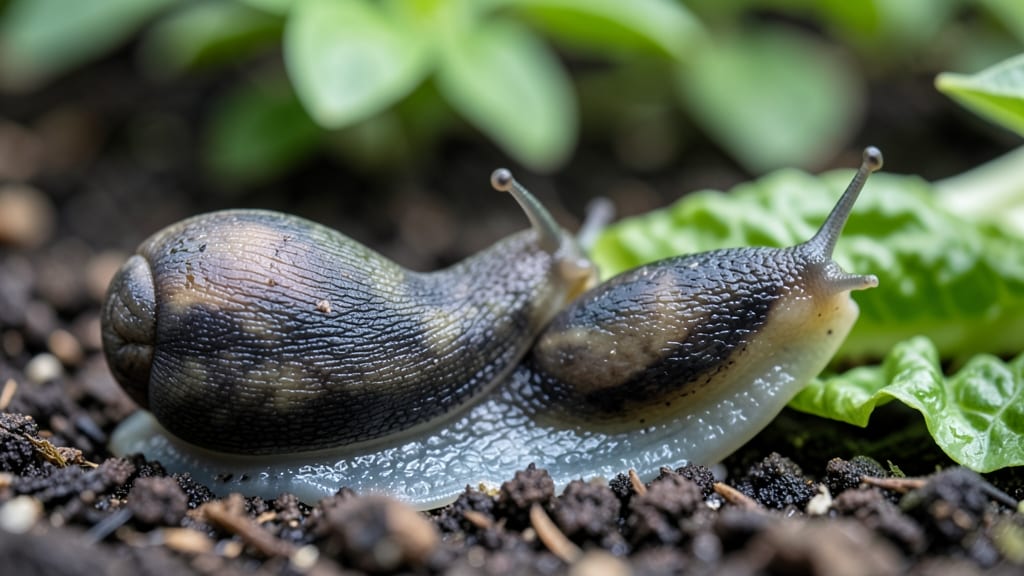
Slugs are bad for gardens because they devour young seedlings, leaves, and flowers, leaving behind ragged holes and often killing tender plants overnight. Their feeding habits can stunt growth and destroy crops like lettuce, hostas, and tomatoes.
These slimy pests aren’t just annoying—they’re destructive. 🔥 Slugs target the most vulnerable parts of plants, like new growth and soft leaves, which disrupts photosynthesis and weakens roots over time.
Imagine your carefully planted lettuce turning into a skeleton overnight, or your prized hostas developing jagged edges from their slime trails. The damage compounds quickly, especially in moist gardens where slugs thrive after dark.
What makes them particularly troublesome is their ability to hide during the day, emerging only when conditions are perfect—cool, damp nights. They don’t just nibble; they can completely decimate seedlings before they even get a chance to establish themselves.
Even mature plants like tomatoes suffer when slugs create entry points for disease by breaking plant tissues.
💡 In This Article
- How Slug Damage Affects Plant Health and Growth
- Natural Slug Control Methods for Organic Gardens
How slug damage affects plant health and growth
Slugs don’t just take bites—they create wounds that act like open doors for plant diseases.
Their sharp, file-like tongues (radulae) slice through cell walls, creating irregular holes that disrupt the plant’s natural defenses. 🌱 When they target young seedlings, they sever the stem at or just above the soil line, cutting off the plant’s water and nutrient supply instantly.
This is especially devastating for delicate plants like lettuce, where a single slug can destroy an entire head in hours.
The damage compounds because slugs feed on the most nutrient-rich parts of plants—new leaves, flowers, and soft stems. Their slime trails leave behind a film that blocks sunlight from reaching leaves, further reducing photosynthesis.
Studies show that slug-infested plants can lose up to 30% of their leaf surface area in just 24 hours, which severely limits their ability to produce energy. Hostas, for example, develop unsightly holes and brown edges that weaken the plant’s ability to store energy in their rhizomes.
Even mature plants suffer long-term consequences. Slugs create entry points for fungal infections like Botrytis blight, which thrives in the moist conditions slugs create. Tomatoes often develop blossom-end rot after slug damage because the disrupted calcium uptake leads to weakened cell walls. 💔 The worst part?
Slugs don’t just eat—they leave behind a slimy residue that can smother soil microbes, further degrading soil health over time.
Consider the lifecycle impact: slugs prefer plants at their most vulnerable stages. Seedlings have minimal defenses, and their tender stems are easy targets. Once established, plants may survive slug attacks but often grow stunted with deformed leaves.
The economic cost is staggering—gardeners lose an estimated $1 billion annually in damaged crops and replacement plants due to slug infestations.
What makes slugs particularly insidious is their selective feeding. They avoid tough, fibrous plants like lavender or rosemary but target succulent favorites such as strawberries and basil.
This means your prized culinary herbs can be reduced to stems overnight, leaving you with nothing but frustration. 🌿 The key to protecting your garden lies in understanding these feeding patterns and implementing targeted defenses before the damage becomes irreversible.
For container gardens, the risk is even higher because slugs can completely consume small pots of herbs or salad greens in a single night.
The confined space makes it easier for them to locate and destroy every plant, leaving gardeners with no option but to replant—often multiple times in a season.