
Pests
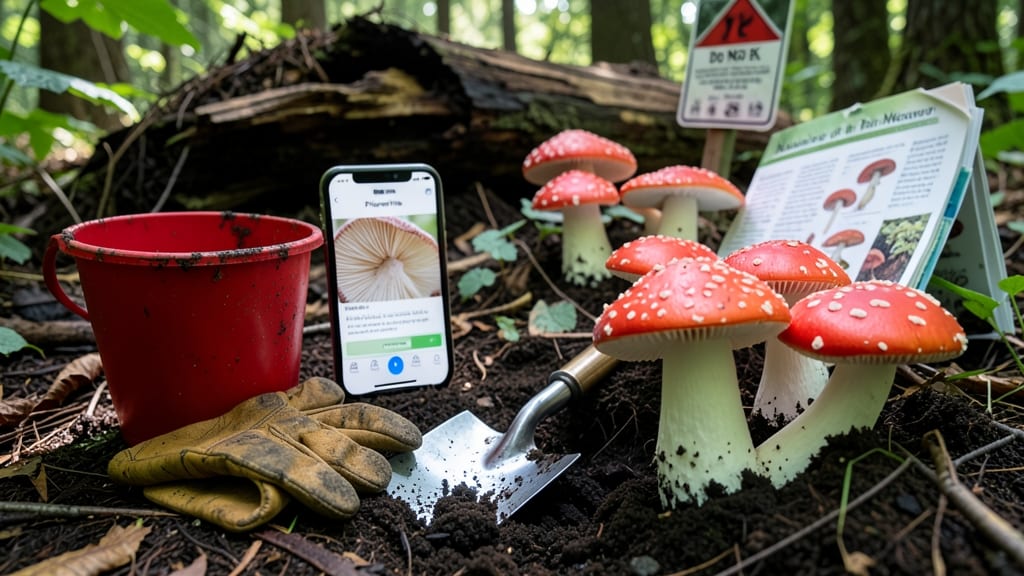
Mushrooms in your garden aren’t always bad—many are harmless decomposers that break down organic matter, while others may signal soil problems or compete with plants for nutrients. Always identify the type before deciding whether to remove them.
Not all mushrooms are garden villains—some are actually beneficial, like those that recycle nutrients by decomposing dead plant material. 🌱 However, certain types can indicate unhealthy soil or even harm your plants by stealing nutrients.
The key is distinguishing between harmless varieties (often small, white, and growing in clusters) and problematic ones (like shelf fungi or those appearing after plant decline). For example, morels are edible and harmless, while Armillaria root rot mushrooms signal a dangerous fungal infection.
If you spot mushrooms causing plant stress or spreading rapidly, act quickly. Remove them with a rake or shovel, then treat the soil with vinegar or fungicide to prevent regrowth. Improving drainage and aeration afterward can also discourage future fungal growth.
💡 In This Article
- How to Identify Safe vs Harmful Garden Mushrooms
- When and How to Remove Problematic Garden Mushrooms
How to identify safe vs harmful garden mushrooms
Garden mushrooms fall into three broad categories: beneficial decomposers, harmless but unwanted guests, and harmful pathogens. Beneficial types like Agaricus bisporus (common button mushrooms) break down organic matter, enriching soil with nutrients.
These typically grow in clusters on well-decomposed wood or compost piles, with caps ranging from 1-3 inches wide and white gills underneath. 🌿 They're often small, delicate, and appear after heavy rain, thriving in moist, nutrient-rich environments.
The "harmless but unwanted" group includes mushrooms like coprinus (inky caps), which dissolve into black liquid when mature. While not directly harmful, they compete with plants for nutrients and can spread rapidly. Look for their slender, blackening stems and paper-thin caps that grow in dense clusters.
In contrast, harmful mushrooms like Armillaria root rot (honey fungus) have overlapping, shelf-like caps and grow at the base of dying trees or shrubs, signaling a serious fungal infection that can kill plants.
Color and growth location are your best clues.
Safe mushrooms often appear on mulch or compost with white or brown caps, while dangerous varieties like Heterobasidion (annosum root rot) grow directly on tree stumps or roots, emitting a sweet, yeasty odor. 🍄 The presence of mushrooms after a plant suddenly wilts or shows yellowing leaves is a red flag—this often indicates a pathogenic fungus stealing nutrients from your plants' roots.
Season and environmental conditions also matter. Most beneficial decomposers thrive in spring and fall when soil moisture is high, while harmful fungi may persist year-round in poorly drained areas. If you notice mushrooms appearing after you've amended your soil with fresh compost or mulch, they're likely harmless decomposers.
However, if they appear without any organic matter nearby or after your plants show stress symptoms, they could be pathogenic.
For a quick field test, gently lift a mushroom to check its attachment point. Beneficial types often grow from buried organic material, while harmful ones may emerge from tree roots or buried wood.
Never eat garden mushrooms unless you're 100% certain of their identity—some look identical to deadly species like the death cap (Amanita phalloides), which contains toxins that can be fatal if ingested.