
How To
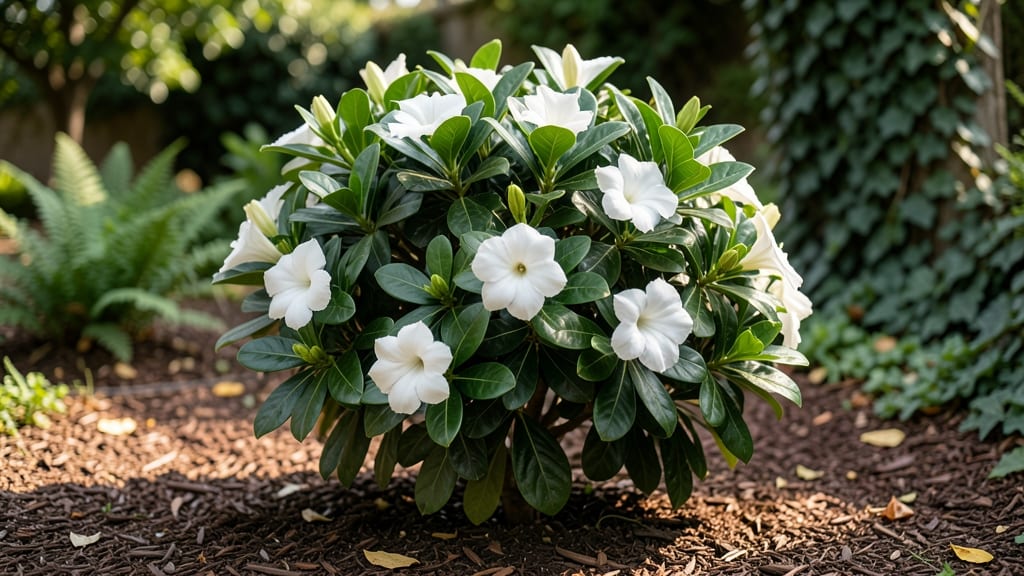
A gardenia tree grows anywhere from 4 to 15 feet tall, depending on the variety and care you give it—so your dream fragrant gardenia could be a towering centerpiece or a cozy patio shrub.
Picture this: You’ve spent months nurturing your 🌸 gardenia tree, only to realize it’s outgrown its spot or never quite reached the height you envisioned. The truth is, gardenias aren’t one-size-fits-all—their mature size can swing wildly, even within the same species.
Whether you’re planning a 6a-zone garden or just curious about dwarf options, knowing the height range of each variety is the key to fitting it into your space without regrets. Some stay under 6 feet, while others stretch toward the sky.
In this guide, I’ll break down the height expectations for popular varieties, share pruning secrets to control growth, and help you pick the perfect gardenia for your yard—no surprises included.

Gardenia tree height by variety: from dwarf shrubs to small trees
Choosing the right gardenia variety isn’t just about fragrance—it’s about height control. Some varieties stay under 4 feet while others reach 15 feet, making them perfect for hedges or shade trees.
The G. jasminoides (common gardenia) is the most popular, but its height depends entirely on the cultivar you select.
If you’re designing a small garden or patio space, dwarf varieties like G. augusta are ideal. These stay between 3-5 feet tall, perfect for container gardening or foundation plantings. Meanwhile, standard varieties like G. 'Radicans' can climb to 10 feet or more, making them better for larger landscapes.
🌱 Visual Guide: Below is a quick reference for mature heights by variety, including growth rates and ideal planting zones.
| Variety | Mature Height | Growth Rate | USDA Zones | Best For |
|---|---|---|---|---|
| G. jasminoides 'Kleim's Hardy' | 4-6 ft | Slow to moderate | 6-9 | Containers, small gardens |
| G. jasminoides 'Radicans' | 6-10 ft | Moderate | 8-11 | Hedges, privacy screens |
| G. augusta 'Veitchii' | 3-5 ft | Slow | 9-11 | Borders, foundation plantings |
| G. jasminoides 'Mystery' | 10-15 ft | Fast | 8-11 | Shade trees, large gardens |
| G. radicans (Coral Gardenia) | 5-8 ft (trailing) | Moderate | 9-11 | Trellises, vertical gardens |
For small-space gardeners, the G. augusta varieties are my top picks. They thrive in containers and rarely exceed 5 feet, making them perfect for balconies or patios. Their compact growth also means they require less pruning compared to taller varieties.
If you’re planting near a fence or wall, consider G. radicans, which has a natural trailing habit. This variety can climb 5-8 feet when given support, adding vertical interest without taking up ground space.
Just ensure you provide a sturdy trellis or arbor for it to cling to.
In larger landscapes, the standard gardenia varieties like G. jasminoides 'Mystery' shine. These can grow 10-15 feet tall, providing year-round shade and a heavenly fragrance. They’re ideal for planting near patios or entryways where their height can create a dramatic focal point.
One critical factor influencing height is your USDA hardiness zone. Gardenias thrive in zones 6-11, but colder climates may stunt growth. In zone 6a, for example, dwarf varieties like 'Kleim’s Hardy' are hardier and stay shorter, while tropical varieties may struggle unless winter-protected.
For fastest growth, prioritize well-draining, acidic soil (pH 5.0-6.5) and regular watering. Gardenias in full sun (6+ hours daily) grow 30-50% faster than those in shade, but avoid afternoon sun in hot climates to prevent leaf scorch.
Pro tip: If you’re unsure about height, start with a container-grown specimen. This lets you monitor growth before committing to permanent planting. Many nurseries sell 1-2 year old gardenias, which give you a
How to control gardenia tree height: pruning and care tips
Gardenias grow at different rates depending on their variety, but even the most compact types can outgrow your intended space if left unchecked. The key to managing their height lies in strategic pruning, seasonal care, and soil management.
I’ve learned that pruning isn’t just about cutting back—it’s about shaping growth habits to keep your gardenia at your desired height while maximizing those fragrant blooms.
Most gardenias reach their mature height within 3-5 years, but their growth trajectory starts much earlier. For example, a standard gardenia tree like G. jasminoides can grow 1-2 feet in its first year and continue climbing toward 10-15 feet if unpruned.
The good news? With the right techniques, you can redirect that energy into a bushier, more manageable form.
Standard gardenias can grow up to 15 feet if unpruned, while dwarf varieties like G. augusta max out at 4-6 feet. Even with pruning, gardenias grow 12-24 inches per year—so plan your cuts carefully! Over-pruning in early years can stunt growth permanently, while late-season cuts risk reducing next year’s blooms.
Timing is everything when it comes to pruning gardenias for height control. I always prune right after flowering (late spring to early summer) to avoid cutting off next year’s buds.
For shape control, I make small cuts just above a leaf node, while for height reduction, I target the topmost growth to encourage lateral branching. Never prune more than 1/3 of the plant’s height in a single session—this can stress the plant and reduce blooming.
Soil and nutrients play a surprising role in height management. Gardenias thrive in acidic, well-draining soil with a pH of 5.0-6.5.
If your soil lacks organic matter, amend it with compost or peat moss to encourage stronger root development, which helps the plant support its own weight without reaching skyward. I also use a balanced, acidic fertilizer (like 10-10-10) in spring to promote bushier growth rather than vertical stretching.
One common mistake I see is pruning at the wrong time. Cutting back in late summer or fall can delay blooming or even prevent flowers from forming entirely. Another pitfall is using dull shears, which crush stems and invite disease.
Always use clean, sharp pruners and disinfect them with rubbing alcohol between cuts to prevent bacterial infections that can weaken the plant.
To encourage a bushier, not taller habit, I focus on pruning the tips of new growth rather than the main stems. This redirects energy to side branches, creating a fuller, more compact shape.
For varieties prone to vertical growth, like G. radicans, I also use staking or trellising to guide growth horizontally. Mulching around the base with pine bark or wood chips helps retain moisture and keeps roots cool, further encouraging controlled growth.