
How To
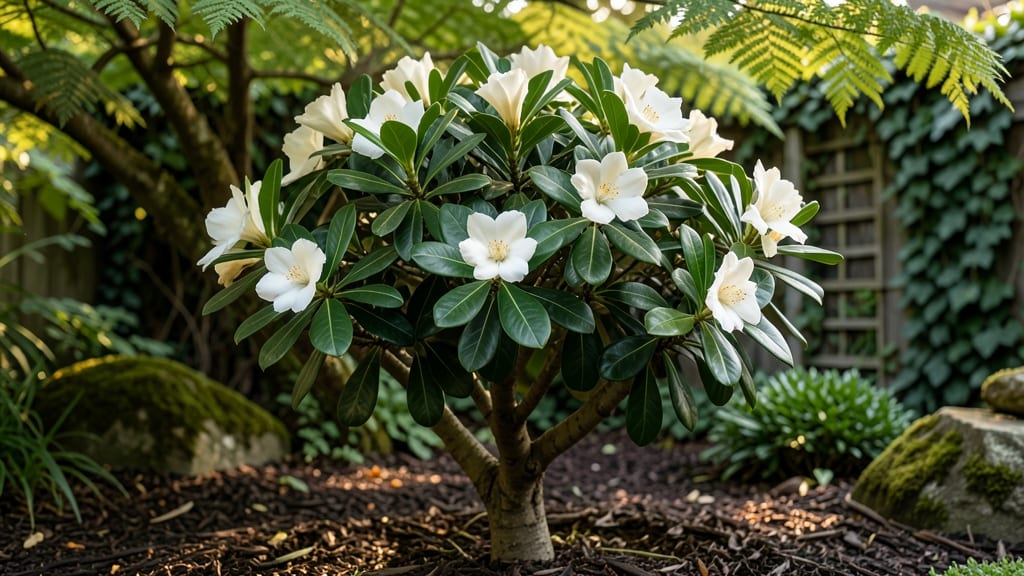
Gardenia plants can grow anywhere from 2 feet to over 15 feet tall, depending on the variety and growing conditions—so your choice of plant could mean the difference between a patio centerpiece and a backyard focal point.
Picture this: a delicate 🌸 gardenia blooming at eye level on your patio, or a towering shrub that needs a ladder to admire its flowers. The height difference isn’t just about aesthetics—it also affects how you prune, where you plant, and even how much sunlight your gardenia thrives in.
If you’re wondering whether your gardenia will stay compact or stretch toward the sky, the answer lies in the variety you choose. Some stay neatly under 3 feet, while others reach heights that rival small trees in warm climates like Zone 6a-10a.
In this guide, you’ll discover the exact mature heights of popular gardenia varieties, how to control their growth with simple pruning techniques, and which types are perfect for small spaces versus large landscapes.

Gardenia mature height by variety: small to giant ranges explained
If you're dreaming of fragrant gardenias but worried about space, don't panic! The mature height of gardenias varies wildly—from compact dwarf varieties perfect for patios to towering tropical giants that need room to sprawl.
Understanding these differences helps you pick the perfect plant for your garden's layout and climate. Some varieties even grow 15+ feet tall in ideal conditions!
Most gardenias thrive in USDA Zones 6a-10a, but their height potential depends on both genetics and growing conditions. Pruning habits, sunlight exposure, and soil acidity all play roles in how tall your gardenia becomes.
For example, a 'Radicans' variety might stay under 3 feet while a 'Cape Jasmine' can reach 10+ feet without intervention.
Below is a detailed breakdown of 10+ common gardenia varieties, organized by height range. This summary-table helps you visualize which types fit your space—whether you're working with a container garden, backyard hedge, or tropical landscape.
Each variety includes its ideal planting zone and growth pattern to guide your selection.