
Fertilization
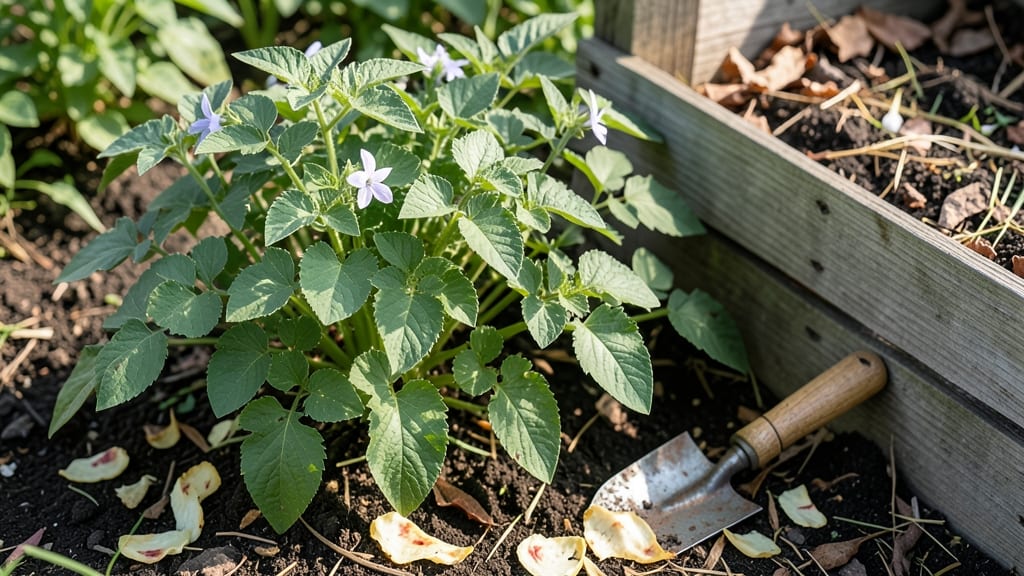
Potato peels are good for the garden when composted properly, providing nitrogen-rich organic matter that enriches soil and supports microbial activity, though they should never be used fresh due to potential disease risks or rot.
Potato peels offer a natural source of nitrogen, which is essential for leafy green growth and overall plant vitality.
When broken down in a compost pile, they break down into a nutrient-rich humus that improves soil texture and water retention. 🌱 The key is proper composting—peels should be chopped into smaller pieces and mixed with carbon-rich materials like dried leaves or shredded paper to balance the nitrogen.
This process takes about 2-3 months, depending on your compost's heat and moisture levels.
What many gardeners overlook is that fresh potato peels can introduce harmful pathogens or fungal spores into your soil. The natural sugars in peels attract pests and promote rot, which is why they must be fully decomposed before use.
I always recommend turning your compost pile regularly to speed up decomposition and ensure even nutrient distribution throughout the garden bed.
💡 In This Article
- How Potato Peels Benefit Soil and Plant Growth
- Safe Composting Methods for Potato Peel Waste
How potato peels benefit soil and plant growth
Potato peels are a powerhouse of nitrogen, containing about 2-3% nitrogen by dry weight, which is nearly double that of many other kitchen scraps like vegetable trimmings. This nitrogen content makes them particularly valuable for leafy greens, herbs, and fast-growing plants that thrive with a quick nutrient boost.
When properly composted, the peels break down into amino acids and other organic compounds that feed beneficial soil microbes, creating a thriving ecosystem that improves soil fertility.
The decomposition process begins when microorganisms like bacteria and fungi attack the cellulose and starch in peels, converting them into simpler compounds. This process generates heat, which can reach 140-160°F in a well-managed compost pile, effectively sterilizing any potential pathogens.
The resulting humus improves soil structure by increasing its ability to retain moisture and nutrients, reducing the need for synthetic fertilizers. Unlike raw peels, which can introduce disease-causing organisms, composted peels create a stable, nutrient-rich amendment that enhances root development and plant resilience.
One of the most noticeable benefits is the improvement in soil texture. Composted potato peels add organic matter that helps sandy soils retain water and prevents clay soils from becoming compacted.
This is particularly useful for gardeners dealing with poor soil conditions, as the peels contribute to long-term soil health rather than just providing a temporary nutrient spike.
For example, adding a 2-inch layer of finished compost to your garden beds can improve water infiltration by up to 30%, reducing runoff and erosion.
However, the benefits aren't just about nitrogen. Potato peels also introduce small amounts of phosphorus and potassium, though these are present in much smaller quantities. The real magic happens in the microbial activity they stimulate.
A well-composted pile can contain billions of beneficial bacteria per gram, which help break down other organic matter and make nutrients more accessible to plants. This is why composted peels are often recommended for organic gardening—it's not just about the nutrients, but the entire ecosystem they support.
To see the most dramatic results, mix composted potato peels into the soil before planting or use them as a top dressing around established plants. The gradual release of nutrients over time makes them ideal for long-term soil enrichment.
For instance, a 5-gallon bucket of finished compost made from potato peels can provide enough nitrogen to support a 10-square-foot garden bed for an entire growing season. The key is patience—rushing the composting process can leave behind undecomposed fragments that may attract pests or fail to provide the full benefits.
In comparison to other kitchen scraps, potato peels decompose faster than woody materials but slower than fruit scraps, which are higher in sugars. This makes them a balanced addition to your compost pile, contributing both nitrogen and structure.
When layered with carbon-rich materials like shredded newspaper or dry leaves, they create the perfect environment for efficient decomposition. The result is a nutrient-dense soil amendment that can transform even the most lackluster garden plot into a thriving ecosystem.