
Pests
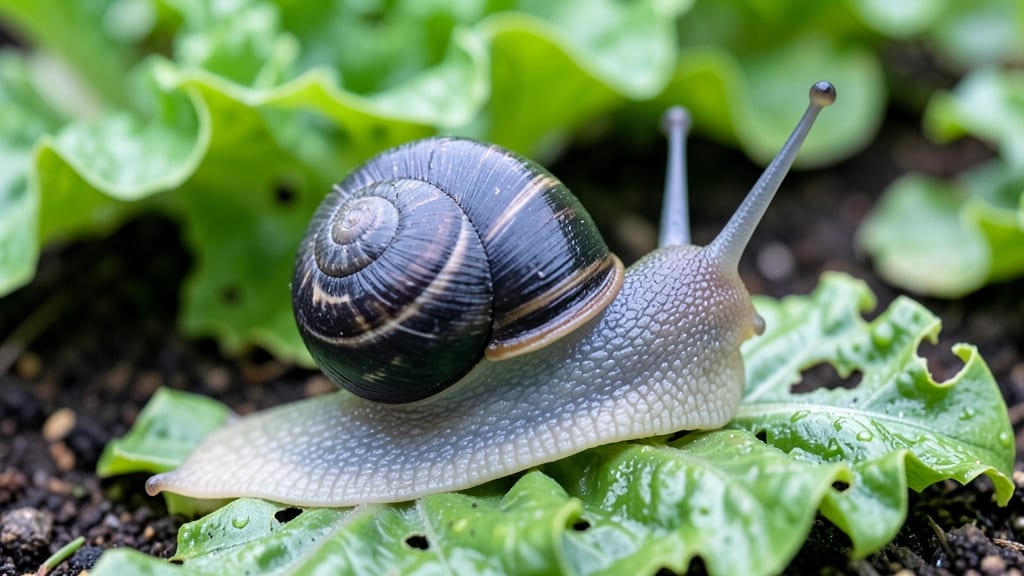
Growing gardens with the good snails is generally not ideal because their feeding habits destroy young plants and tender foliage, though they do slightly improve soil through their waste and slime. Most gardeners find the damage outweighs these minor soil benefits.
Are snails good in a garden? Snails may seem harmless, but their ravenous appetite for seedlings and leaves can devastate your garden's growth. 🐌 While their slime trails and waste do contribute to soil aeration and nutrient cycling, the destruction they leave behind—especially on prized vegetables and flowers—often makes their presence more trouble than it's worth. I've seen firsthand how a few snails can turn a thriving herb bed into a skeleton of stems overnight.
What's more frustrating is their ability to spread fungal diseases through their slime, creating additional problems for struggling plants. The key is balancing their limited soil benefits against the visible damage they cause, which is why most gardeners prioritize removal over hoping for ecological harmony.
💡 In This Article
- How Snails Harm Garden Plants and Soil Health
- Natural Snail Control Methods for Protecting Garden Plants
How snails harm garden plants and soil health
Snails are nocturnal plant predators that use their sharp, file-like tongues called radulae to scrape away at leaves, stems, and seedlings with surgical precision. 🐌 Their feeding patterns often leave behind irregular, jagged holes—unlike the clean cuts of insect damage—which can weaken plants enough to stunt growth or invite secondary infections.
Young plants are particularly vulnerable because their tender tissues offer little resistance, and a single snail can consume up to 500 square inches of foliage in one night, according to University of California studies.
The real damage goes beyond the visible holes.
Snails secrete a mucous trail that contains enzymes breaking down plant cell walls, making their slime a double threat: it not only facilitates movement but also spreads fungal spores like Botrytis cinerea (gray mold) and Phytophthora (root rot). 🌱 This slime acts like a biological highway for pathogens, turning snail-infested areas into disease hotspots.
For example, basil and lettuce—both favorites of snails—often develop blackened, mushy spots where the slime lingers, even after the snail moves on.
While snails do contribute to soil health by aerating through their burrowing and leaving nitrogen-rich waste (their calcium carbonate shells break down into usable minerals), these benefits are minimal compared to the destruction. 🌿 Their waste typically accounts for less than 0.5% of soil organic matter, whereas a single snail can defoliate an entire bed of radishes in 3-5 days.
The irony? Their soil contributions are more valuable in established ecosystems (like forests) where plant regrowth can keep pace with their feeding, but gardens—especially vegetable plots—lack this resilience.
Lifecycle timing worsens the problem. Snails lay 30-50 gelatinous egg clusters per season, each containing 20-40 eggs, and these hatch in 2-4 weeks under warm conditions. 🐌 By the time you notice visible damage, an entire generation may already be feeding.
Their preference for moist, sheltered environments (like under mulch or dense foliage) means they thrive in the same conditions gardeners create to protect plants—making early intervention critical.
Consider the economic impact: a 100-square-foot garden can lose $50-$100 worth of produce in a single season if snail populations aren't controlled. 💸 The most at-risk crops include lettuce, spinach, beans, and hostas, which snails devour with equal enthusiasm.
Even ornamental plants like impatiens and ferns suffer, creating an uneven, ragged appearance that detracts from garden aesthetics.
What most gardeners don't realize is that snails don't just eat plants—they alter plant behavior.
When attacked, plants release stress hormones that can reduce flowering and fruit production. 🌼 In strawberries, for instance, snail damage often leads to fewer berries and smaller yields, even if the remaining fruit appears healthy.
This hidden cost makes snails one of the most insidious garden pests, blending subtle harm with visible destruction.