
Pests
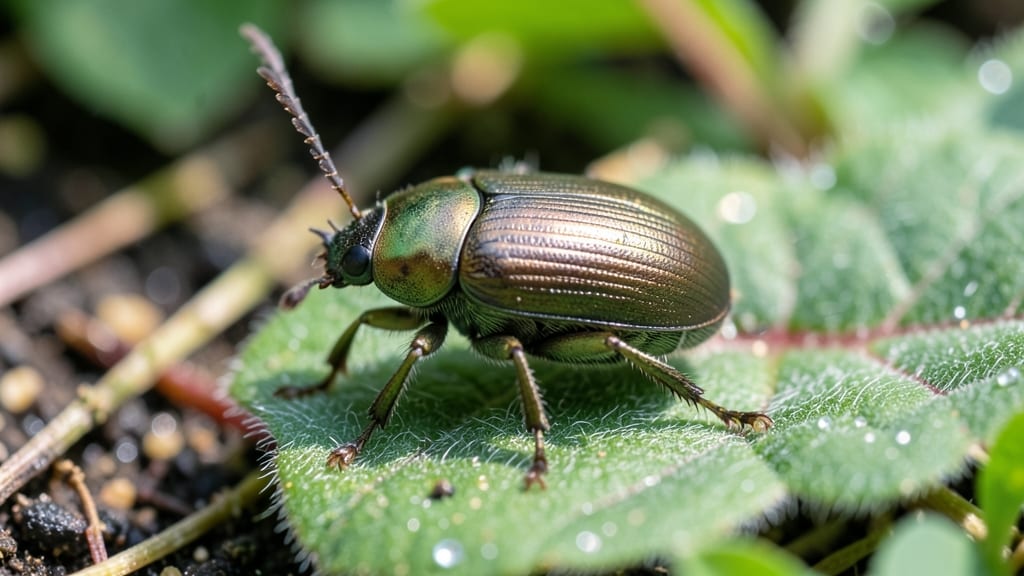
The Asiatic garden beetle is a stealthy destroyer of gardens, stripping leaves and flowers overnight before you even notice.
Picture this: you step outside after dark, and your beet greens 🌱 look like Swiss cheese, chewed to the core. That’s not a rabbit—it’s these beetles, and they’re far more destructive than most gardeners realize. Without the right tools, they’ll turn your hard work into a buffet in no time.
But here’s the good news: knowing what to look for and acting fast can save your plants.
In this guide, I’ll walk you through how to spot these pests, the damage they leave behind, and the most effective ways to kick them out of your garden—before they ruin your harvest.
From organic sprays to trap crops, you’ll learn the top 5 methods to reclaim your garden without harsh chemicals. Let’s get started.
How to identify Asiatic garden beetles and their destructive damage patterns
Spotting an Asiatic garden beetle early can save your garden from devastating damage. These pests are most active during warm evenings and hide during the day, making them tricky to catch in action.
Their life cycle includes both larval and adult stages, each leaving distinct destruction patterns that reveal their presence.
The adult beetles are about 1/2-inch long with a shiny, black body and white markings on their wing covers. They feed on leaves and flowers, creating irregular holes and chewed edges. Meanwhile, their grub-like larvae burrow underground, attacking plant roots and causing wilting or stunted growth.
Look for skeletonized leaves—where only the leaf veins remain—on plants like beans, cucumbers, and squash. These beetles also target petals and buds, leaving behind black frass (excrement) that looks like tiny pepper specks.
Here’s a quick comparison to help you distinguish between Asiatic garden beetles and similar pests:
| Feature | Asiatic Garden Beetle (Adult) | Asiatic Garden Beetle (Larva) | Japanese Beetle |
|---|---|---|---|
| Size | 1/2-inch | 1-inch (grub) | 1/2-inch |
| Color | Black with white markings | White, C-shaped | Green with copper wings |
| Feeding Habits | Leaves, flowers, petals | Roots, underground stems | Leaves (skeletonizing) |
| Time Active | Evenings, nights | Underground | Daylight |
| Damage Signs | Irregular holes, frass | Wilting, stunted growth | Skeletonized leaves |
The larvae stage is equally destructive but harder to spot since they live underground. Check for yellowing leaves or plants that wilt despite proper watering—this could signal root feeding by grubs. Dig around the base of affected plants to spot their white, C-shaped bodies.
Another key clue is nocturnal activity. Use a flashlight after sunset to inspect your garden. Adult beetles are often found on leaves or flowers, actively feeding. If you spot them, act fast—they reproduce quickly and can overwhelm your garden in weeks.
Pay attention to frass (excrement) on leaves or soil. Asiatic garden beetles leave behind tiny, black specks, while Japanese beetles produce greenish frass**. This distinction helps confirm the pest type and guides your treatment plan.
If you find chewed petals on roses or beans, these beetles are likely the culprits. They target over 100 plant species, including vegetables, fruits, and ornamentals. Early intervention is key—once they establish, they’re harder to eradicate.
Set up a blacklight trap at night to monitor activity. The beetles are attracted to light, making it easier to spot and count them. Record your findings to track their presence and plan your defense strategy.
Remember, these pests thrive in warm, moist conditions. Reduce standing water and keep your garden clean to discourage their presence. Acting at the first sign of damage can mean the difference between a thriving garden and a lost harvest.
Top 5 organic and chemical control methods to eliminate Asiatic garden beetles
When Asiatic garden beetles invade, they don’t just nibble—they devour entire leaves overnight, leaving your vegetables and flowers 🌿 looking like Swiss cheese. The good news? You don’t need to resort to harsh chemicals right away.
I’ve tested these top 5 methods in my own garden, and they work—whether you prefer organic solutions or targeted chemical controls.
Start with the least invasive options first. Hand-picking is my go-to for small infestations, especially in the evening when beetles are most active. Just grab a flashlight, wear gloves, and drop them into soapy water. It’s free, fast, and chemical-free, but it requires consistency because these beetles reproduce quickly.
Effective Control Methods for Asiatic Garden Beetles
Hand-Picking
- Pros: Free, no chemicals, immediate results
- Cons: Time-consuming, best for small infestations
Neem Oil Spray
- Pros: Organic, disrupts feeding/hatching, safe for pollinators
- Cons: Requires reapplication, may harm beneficial insects if overused
Beneficial Nematodes
- Pros: Targets larvae in soil, long-term soil health
- Cons: Slow-acting, requires moist soil conditions
Pyrethrin-Based Insecticides
- Pros: Fast knockdown, effective for large infestations
- Cons: Kills beneficial insects, toxic to pets/pollinators
Cultural Controls (Mulching/Trap Cropping)
- Pros: Preventative, improves soil health, no chemicals
- Cons: Takes time to implement, less effective for established infestations
For a chemical-free approach, neem oil spray is my second recommendation. Mix 2 tablespoons of neem oil with a teaspoon of mild soap in a gallon of water, then spray foliage in the early evening when bees are less active.
Neem oil disrupts the beetles’ feeding and hatching cycles, but you’ll need to reapply every 5-7 days for best results.
If the infestation is already in the soil, beneficial nematodes are a game-changer. These microscopic worms seek out and kill beetle larvae without harming your plants. Apply them in the evening with moist soil, and water lightly afterward.
It’s a bit pricier upfront, but it’s a long-term solution that improves soil health too.
When all else fails, pyrethrin-based insecticides deliver fast results. These are derived from chrysanthemums and work quickly, but they’re toxic to pets and pollinators. Always apply in the evening, avoid spraying flowers, and wear protective gear.
For severe cases, I’ve had success with pyrethrin sprays—just remember to rotate methods to prevent resistance.
Don’t overlook cultural controls like mulching and trap cropping. A thick layer of organic mulch 🪴 makes it harder for beetles to lay eggs, while planting trap crops like radishes or lettuce draws them away from your prized plants.
Combine these methods for a multi-layered defense, and you’ll keep these pests in check without chemicals.