
Pests and Diseases
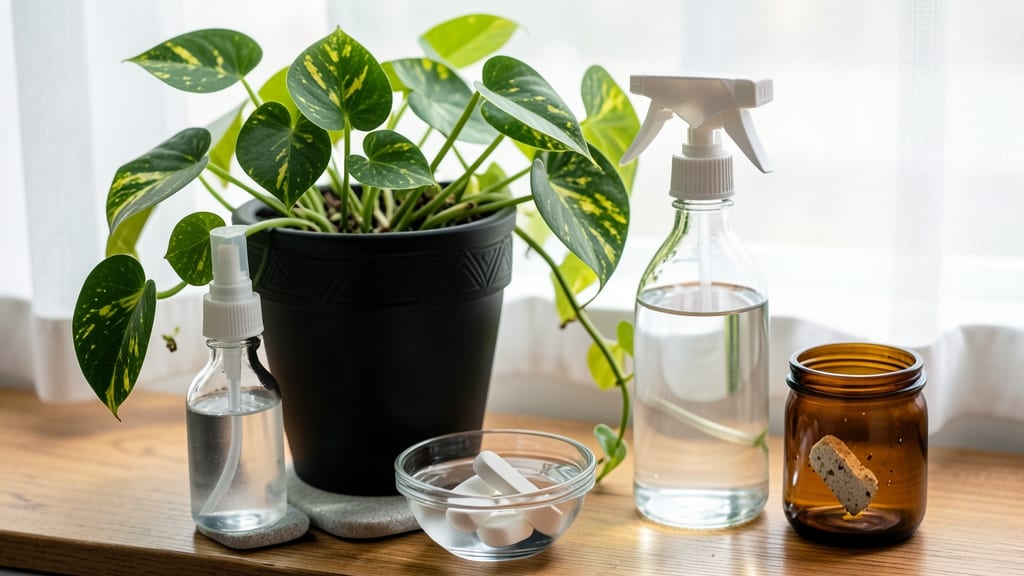
Using aspirin for garden pests involves crushing tablets into water (1-2 tablets per gallon) and spraying foliage to deter aphids, spider mites, and fungal diseases. The salicylic acid strengthens plant immunity without harming beneficial insects when used correctly.
This common household remedy works because aspirin contains salicylic acid, a natural plant hormone that triggers systemic acquired resistance—basically, it primes your plants to fight off invaders. 🌱 Unlike chemical pesticides, it doesn't kill pests outright but disrupts their feeding patterns while also preventing fungal spores from taking hold.
I've seen it work wonders on my rose bushes, where aphids used to be a recurring nightmare.
For best results, use uncoated aspirin tablets (enteric-coated won't dissolve properly) and mix them with water in a spray bottle. Apply early in the morning or late afternoon when temperatures are mild, and repeat every 7-10 days for ongoing protection.
Just remember: this solution is most effective as a preventive measure rather than a cure for existing infestations.
💡 In This Article
- How Aspirin Works as a Natural Plant Protector
- Safe Aspirin Spray Recipes and Application Tips
How aspirin works as a natural plant protector
The active ingredient in aspirin—salicylic acid—isn't just a pain reliever; it's a plant hormone that triggers systemic acquired resistance (SAR).
When sprayed on foliage, this compound activates the plant's natural defense pathways, similar to how vaccines work in humans. 🌱 The salicylic acid binds to specific receptors in plant cells, initiating a cascade that produces protective proteins and antioxidants.
These compounds create a chemical barrier that makes plants less appealing to pests like aphids and spider mites, which rely on soft, nutrient-rich tissues.
What makes this particularly effective is how salicylic acid works at the cellular level. It strengthens cell walls and enhances the production of phenolic compounds, which give plants their bitter taste—nature's way of saying "stay away."
For fungal diseases like powdery mildew, the acid disrupts spore germination by altering the pH balance on leaf surfaces. Studies show that plants treated with salicylic acid can resist fungal infections up to 70% better than untreated plants, though results vary by species and environmental conditions.
Unlike traditional pesticides that kill pests directly, aspirin-based solutions act as a behavioral disruptor. Soft-bodied insects like aphids detect the altered plant chemistry and avoid feeding, while fungal spores fail to establish infections. This makes it particularly effective for preventative care rather than treating active infestations.
The beauty of this approach is its selectivity—it targets only harmful organisms while leaving beneficial insects like ladybugs and lacewings unharmed, unlike broad-spectrum chemicals that decimate entire ecosystems.
Comparing aspirin to other organic controls reveals its unique advantages. While neem oil smothers pests with a physical barrier and garlic spray repels them with strong aromas, salicylic acid works internally to boost the plant's own defenses.
This systemic approach means protection isn't just on the surface but throughout the plant's vascular system, offering longer-lasting effects. However, it's not a standalone solution—combining aspirin sprays with physical removal of pests (like hand-picking aphids) or companion planting creates a more robust defense strategy.
One important consideration is the concentration threshold. While 1-2 aspirin tablets per gallon of water is generally safe, exceeding this can stress sensitive plants or lead to phytotoxicity. The optimal dose triggers SAR without causing cellular damage, which is why precise measurement matters.
For example, tomatoes and peppers typically tolerate the standard mixture well, while delicate herbs like basil may require a 50% dilution to prevent leaf burn. Always test on a small area first to assess plant sensitivity.
What most gardeners don't realize is that salicylic acid occurs naturally in many plants—it's what gives willow bark its medicinal properties and what makes aspirin's mechanism so compatible with botanical systems. This natural alignment means plants don't view the treatment as foreign, reducing the risk of adverse reactions.
The key to maximizing effectiveness lies in consistent application during the plant's active growth phases, particularly when new leaves are emerging—a time when pest pressure is often highest.