
Vegetables
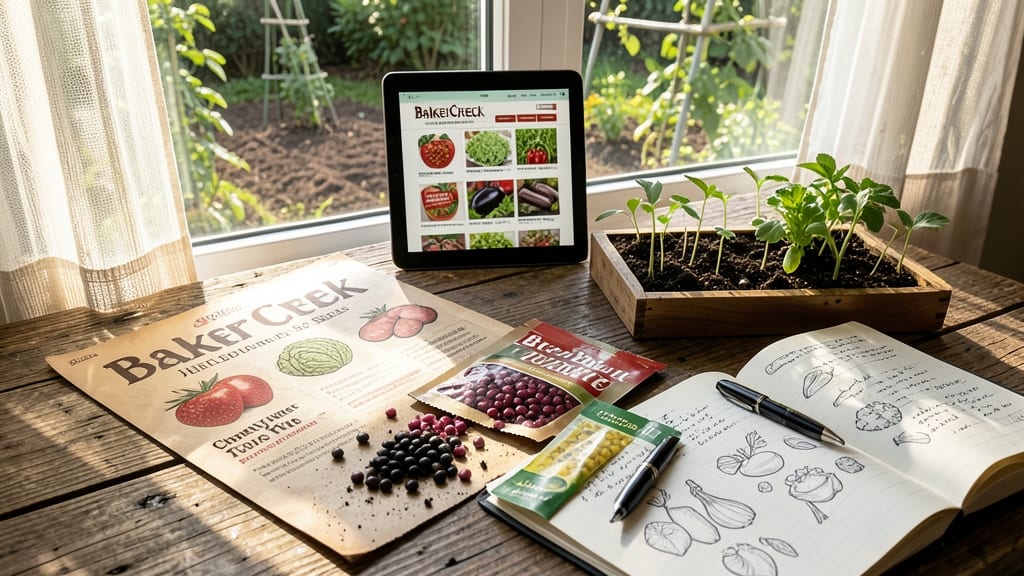
Selecting Baker Creek Garden Seeds means pairing heirloom varieties with your local climate, soil conditions, and growing season to maximize disease resistance and harvest potential.
Baker Creek’s catalog is packed with non-GMO, open-pollinated seeds that thrive when matched to your USDA zone and microclimate. 🌱 For example, their heat-tolerant tomato varieties like 'Cherokee Purple' excel in Zone 9, while cold-hardy kale like 'Winterbor' thrives in Zone 3.
The key is checking their maturity charts—some varieties need 60 days, others 120—to align with your last frost date. I always start by filtering seeds by my zone and soil type (sandy, clay, or loamy) to narrow down the best performers for my garden.
Beyond climate, Baker Creek’s seeds shine for specific goals: high-yield tomatoes for abundant harvests, pollinator-friendly flowers like 'Black Knight' sunflowers, or storage crops such as 'Stowell’s Evergreen' cabbage.
Their detailed descriptions highlight disease resistance (like powdery mildew-free cucumbers) and yield expectations, so you can plan for both productivity and ease of care. Pro tip: Save seeds from your best performers to create a customized seed bank over time!
💡 In This Article
- How Climate Zones Determine Best Baker Creek Seed Choices
- Top Baker Creek Seed Varieties by Gardening Goal
How climate zones determine best Baker Creek seed choices
Your USDA hardiness zone acts like a climate GPS for seed selection. Baker Creek’s catalog organizes varieties by zones to ensure plants match your region’s average minimum winter temperatures.
For example, their heat-tolerant tomato varieties like 'Solar Fire' thrive in Zone 9 (where temps rarely drop below 20°F), while cold-hardy greens like 'Winterbor' kale survive Zone 3 winters (-40°F to -30°F).
The key is understanding your last frost date—Baker Creek’s seed packets list days-to-maturity, so you can calculate when to plant for maximum yield.
Microclimates add another layer of precision. A south-facing wall might create a 5-10°F warmer microclimate than your general zone, allowing you to grow varieties that wouldn’t normally survive.
Baker Creek’s seed maturity charts help here: a 60-day tomato in Zone 5 needs early planting, while a 90-day variety in Zone 8 might bolt before harvest.
I’ve found their regional planting guides (available on their website) show exactly which varieties perform best in your specific area, including adjustments for high-altitude zones where growing seasons are shorter.
Soil type interacts with climate to determine success. Baker Creek’s seed descriptions often note preferences like well-draining soil for potatoes or moisture-retentive soil for lettuce. In my Zone 6 garden, I’ve had better luck with their 'Black Krim' tomatoes in raised beds (to prevent soil-borne diseases) than in-ground plantings.
The catalog even suggests soil amendments for specific varieties—like adding compost for heavy clay soils when growing carrots—to improve root development.
Disease pressure varies by zone too. Baker Creek highlights varieties with built-in disease resistance, like their powdery mildew-free cucumbers for humid Zone 7 gardens or blight-resistant tomatoes for rainy Zone 6 climates.
The science behind this is simple: certain heirloom varieties have been selectively bred over generations to thrive in specific conditions. For instance, their 'Cherokee Purple' tomatoes contain natural compounds that deter pests common in Southern climates, while 'Striped Roman' tomatoes handle Northern humidity better.
Season length matters most for cool-season crops. Baker Creek’s spinach varieties like 'Bloomsdale Long Standing' mature in just 40 days, perfect for early spring or fall plantings in Zone 4.
In contrast, their broccoli varieties need 70-80 days, making them better suited for longer growing seasons in Zones 5-8. The catalog’s planting calendar tool helps visualize these timelines, showing when to succession plant for continuous harvests.
Pro tip: Use Baker Creek’s seed zone finder to cross-reference your zone with their recommended varieties. For example, their 'Black Spanish Radish' thrives in Zones 3-8 but requires cool soil temperatures (70°F or below) to germinate.
This level of detail ensures you’re not just planting seeds—you’re creating an ecosystem tailored to your climate’s unique challenges and opportunities. 🌿