
Planting
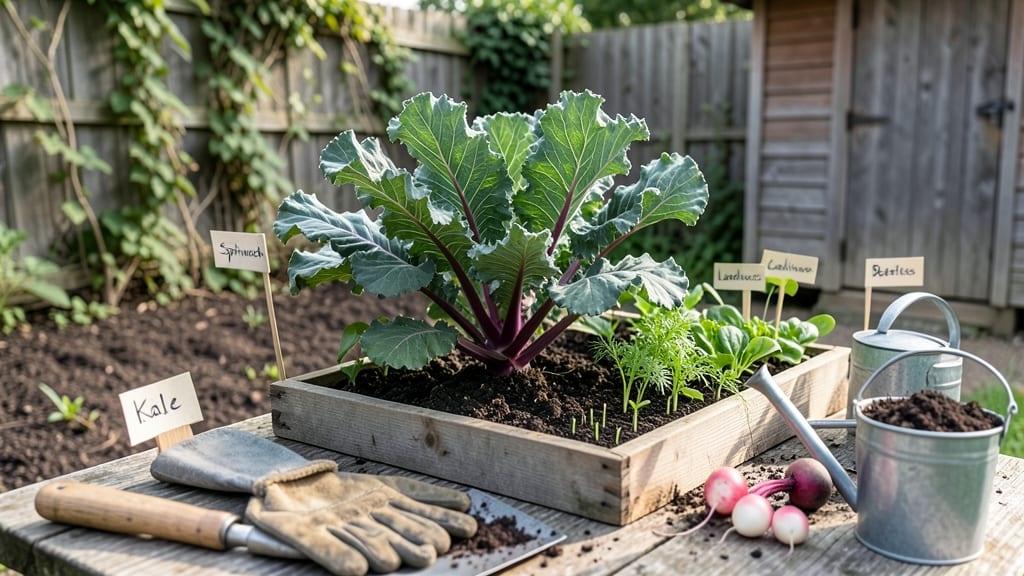
To plant a fall garden in Zone 7, aim for late summer to early fall—typically between mid-August and early October—when soil stays warm enough for roots but days grow cooler for leafy greens.
Zone 7 gardeners face a critical window of just 6-8 weeks to grow a thriving fall garden—plant too early and risk summer heat stress, too late and face first frost. Timing isn’t just about dates; it’s about understanding your microclimate’s unique frost patterns and crop heat tolerances.
This guide breaks down the exact planting deadlines for your favorite Fall Garden Vegetables (General) 🌱, from heat-loving tomatoes to frost-hardy kale, plus how to adjust for your specific corner of Zone 7—whether you’re in the cooler mountains or the warmer valleys.
You’ll learn how to calculate your local frost-free window, avoid common mistakes that wreck yields, and even download a worksheet to track your microclimate’s patterns for next year.
Zone 7 fall planting deadlines by crop type (with microclimate adjustments)
Timing your Zone 7 fall garden correctly means the difference between a bountiful harvest and bolted greens. The average first frost date in Zone 7 ranges from October 20 (7b) to November 10 (7a), but your local microclimate can shift this by 2-3 weeks.
Urban heat islands often delay frost by 7-10 days, while higher elevations may see frost 10-14 days earlier. For example, Asheville, NC (7b) typically has a later frost date than Charlottesville, VA (7a), even though both are Zone 7.
Below is your fall planting timeline for common crops, adjusted for heat-tolerant vs. cool-season varieties. Use these as guidelines, then adjust based on your last summer heatwave and soil temperature (aim for 60-70°F for seeds).
For Zone 7a gardeners in cooler microclimates (e.g., Roanoke, VA), shift all deadlines 2 weeks earlier. In Zone 7b areas with urban heat (e.g., Atlanta, GA), you can extend planting by 10-14 days.
Pro tip: Test your soil temperature with a soil thermometer before planting. Cool-season crops like kale need soil temps below 80°F to germinate, while heat-tolerant varieties (e.g., Malabar spinach) can handle 90°F+.
If you're in a high-elevation Zone 7 (e.g., Black Mountains, NC), account for earlier frosts by planting broccoli and cabbage by July 31 instead of August 20. Use row covers to extend harvests by 2-3 weeks.
Remember: Succession planting is key. For leafy greens, sow new seeds every 2 weeks from August through September to ensure a continuous harvest before frost. Radishes mature in just 25 days, making them perfect for quick turnarounds.
🌱
How to calculate your local fall planting window using frost data
Timing your Zone 7 fall garden requires more than guessing at dates—it’s about crunching frost data like a pro. I’ve learned the hard way that planting kale too early means bolting by October, while bush beans planted too late won’t mature before frost.
Your microclimate (urban heat island, hilltop, or valley) shifts these deadlines by weeks.
The key is using three data points: historical frost dates, crop-specific days-to-maturity, and soil temperature thresholds. For example, carrots need soil at 45°F to thrive, while spinach bolts above 75°F. Let’s break down how to calculate your exact window using free tools and local records.
- Step 1: Find your 10-year average frost date from the National Weather Service or Almanac.com. In Zone 7, this typically falls between October 15–November 15, but urban areas can delay frost by 1–2 weeks.
- Step 2: Check your crop’s days-to-maturity. For example, bush beans take 50–60 days, so plant them 50–60 days before frost (around September 1–15 in most of Zone 7).
- Step 3: Adjust for soil temperature. Use a soil thermometer—root crops like beets need soil at 45°F+, while greens like spinach prefer 50°F+. Wait until soil warms to these thresholds before planting.
- Step 4: Add 3–5 days for microclimate delays. If you’re in a valley, frost hits earlier; if you’re in a city, it’s delayed. Track your local patterns for 2–3 years to refine your timeline.
- Step 5: Use a worksheet to log your planting dates, frost dates, and harvest success. I’ve created a free downloadable template (link in resources) to track these variables year-round.
Let’s say you’re in Zone 7a (colder end) with a first frost on November 1. For kale, which takes 50 days to mature, you’d plant by September 10. But if your soil stays above 75°F into early September, wait until September 15 to avoid bolting.
Pro tip: Succession plant heat-tolerant crops like bush beans every 2 weeks until October 1 to stretch your harvest. Use row covers to extend the season by 2–3 weeks for cool crops like broccoli.
Download my free microclimate worksheet to track your local frost patterns and adjust planting dates each year. Over time, you’ll spot trends—like how your hilltop gets frost 5 days earlier than your garden valley—and fine-tune your schedule like a seasoned gardener.
Remember: Frost isn’t the only threat. Heat stress in late summer can also kill seedlings. Monitor your highs and lows daily and adjust planting dates if nighttime temps stay above 80°F for more than a week.