
Planting
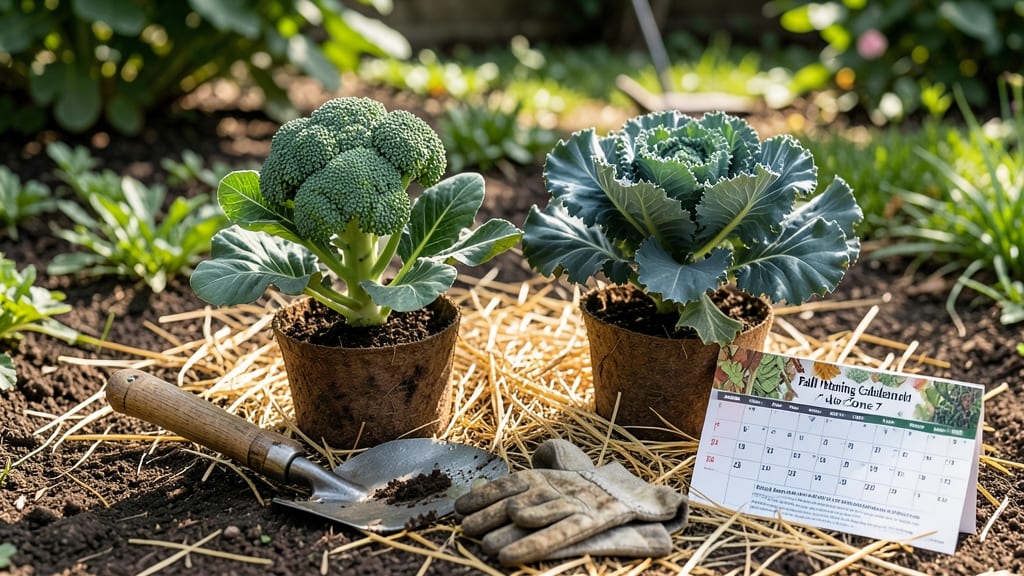
Planting a fall garden in Zone 7 between mid-August and early October is your ticket to a harvest just as the weather cools down.
Missed your spring planting window? Zone 7 gardeners still have time to grow a thriving fall harvest—if you plant at the perfect moment. Get the exact dates for your favorite crops to avoid frost damage and maximize yields.
This isn’t just about tossing seeds in the dirt and hoping for the best. The key is knowing when to start fast-maturing crops like radishes and spinach versus slower growers like broccoli or kale.
A well-timed fall garden can stretch your harvest well into winter, saving you money at the grocery store.
Below, I’ll break down the ideal planting windows for each crop type, how to adjust for early or late frosts, and the five fastest-growing varieties that give you the most bang for your buck. Let’s get started!
Zone 7 fall planting deadlines by crop type (with frost safety margins)
Fall gardening in Zone 7 is all about timing—plant too early, and your crops bolt; too late, and frost ruins your harvest. With the first frost typically arriving between November 15–December 1, your planting window is tight but rewarding.
The key is calculating backwards from frost using each crop's maturity timeline and hardiness rating.
For example, leafy greens like spinach (30–50 days to harvest) can handle light frosts, while broccoli (60–80 days) needs a longer head start. I’ve broken down the critical deadlines below, including a 14-day safety margin before your local frost date to account for temperature fluctuations.
Use your last average frost date (usually October 15 in Zone 7) as your anchor.
Pro Tip: Check your local microclimate—valleys frost earlier than hilltops, and urban areas may stay warmer. Adjust dates by ±7 days if needed. For instance, if your area frosts on November 1, shift all deadlines earlier by a week.
| Crop Type | Last Planting Date (Zone 7) | Days to Maturity | Hardiness Rating | Harvest Timeline |
|---|---|---|---|---|
| Leafy Greens (Spinach, Kale, Lettuce) | September 15–October 15 | 30–50 days | 10–15°F | October–November (some tolerate frost) |
| Root Vegetables (Carrots, Beets, Radishes) | August 1–September 15 | 40–70 days | 20–25°F | September–October (harvest before hard frost) |
| Brassicas (Broccoli, Cabbage, Brussels Sprouts) | July 15–August 30 | 60–80 days | 20–25°F | September–November (protect from heavy frost) |
| Alliums (Onions, Garlic, Leeks) | August 1–September 1 | 90–120 days | 15–20°F | October–December (harvest before ground freezes) |
| Peas & Beans (Sugar Snap, Bush Beans) | August 15–September 15 | 50–60 days | 25–30°F | September–October (pick before pods toughen) |
| Herbs (Cilantro, Parsley, Dill) | August 15–September 30 | 45–60 days | 20–25°F | September–November (harvest before bolting) |
Notice how longer-maturing crops like Brussels sprouts need an earlier start (July–August) compared to fast radishes, which can be sown as late as September 1 for a quick harvest. The 14-day buffer ensures your plants have time to establish roots and recover from temperature dips.
For instance, if your frost date is November 10, plant kale by October 26 (50 days to maturity minus 14 days).
For frost-tender crops like bush beans, prioritize succession planting every 2 weeks from August to September. This staggered approach guarantees a steady harvest before the first hard freeze.
I’ve seen sugar snap peas thrive when planted in late August—they mature just in time for a September–October harvest before temperatures drop below 25°F.
Don’t overlook <
How to adjust planting dates for early/late frost years in Zone 7
Zone 7's first frost typically arrives between October 15 and November 15, but Mother Nature doesn’t always follow the script. One year, you might get frost as early as mid-October, while another year, it could linger until December.
These fluctuations can turn a promising fall garden into a frost-burned disappointment—or transform a late planting into a bountiful harvest. The key is flexibility.
Adjusting your planting dates requires three critical pieces of information: your local frost history, the maturity timeline of your chosen crops, and the microclimate of your garden. For example, a low-lying area might frost over a week earlier than a sunny, elevated spot.
By accounting for these variables, you can shift planting windows to match your specific conditions, ensuring your crops mature before the cold sets in.
Here’s how to calculate your custom planting deadlines using a simple 5-step method that accounts for early or late frost years. This approach works for both cool-season crops (like spinach and kale) and fast-maturing warm-season crops (like radishes and bush beans).
- Step 1: Check your local frost dates from the past 5 years. Use resources like the USDA Plant Hardiness Zone Map or your local cooperative extension service for historical data.
- Step 2: Determine your crop’s maturity range. For example, radishes mature in 25-30 days, while broccoli takes 60-80 days. Write down the earliest and latest harvest dates you can tolerate.
- Step 3: Calculate your planting window by working backward from your first frost date. Subtract the number of days to maturity from your frost date to find the latest you can plant. For a 30-day crop with a frost on November 1, plant by October 1.
- Step 4: Adjust for your microclimate. If your garden is in a frost pocket (like a valley), subtract 7-10 days from your frost date. If it’s in a warm microclimate (like a south-facing slope or urban heat island), add 7-10 days.
- Step 5: Plant succession crops every 2-3 weeks to extend your harvest. For example, sow a batch of spinach every 14 days from mid-August to mid-September to ensure a continuous supply before frost.
Let’s say you’re growing bush beans, which take 50 days to mature, and your average first frost is October 31. If you’re in a frost-prone area, you might adjust your frost date to October 15 (subtracting 10 days).
Your latest planting date would then be September 10 (50 days before October 15). However, if you’re in an urban heat island, you could push your frost date to November 10, giving you until September 20 to plant.
For extra protection, consider using row covers or cold frames to extend your growing season by 2-4 weeks. These tools create a microclimate shield that delays frost damage, allowing you to plant later or harvest earlier.
For example, a floating row cover can protect lettuce from light frosts down to 25°F, while a cold frame can extend the season by 6-8 weeks** for hardy crops like kale.
Remember, the goal isn’t to memorize exact dates but to understand the relationships between frost, crop maturity, and your garden’s unique conditions.
By mastering this method, you’ll turn Zone 7’s unpredictable frost patterns into an advantage—giving you the confidence to plant just in time for a harvest that lasts well into the cooler months. 🌿