
Planting
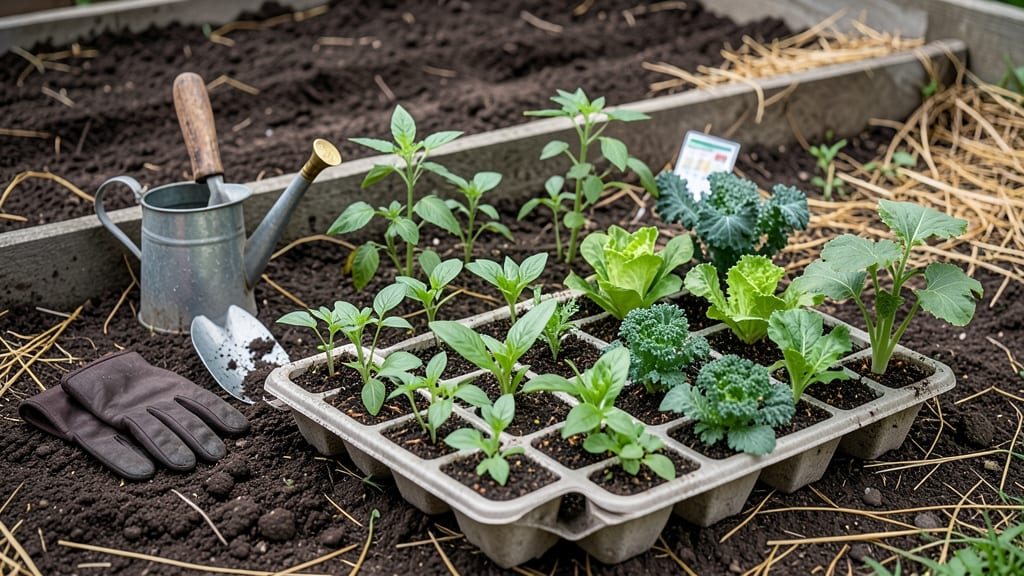
Planting your garden in Zone 7 at the right time means the difference between a fast, bountiful harvest and seeds that never sprout.
Timing your garden planting in Zone 7 can mean the difference between a thriving harvest and wasted seeds—so when exactly should you start? The answer depends on whether you’re growing cool-season crops like spinach or warm-season favorites like tomatoes, and even your local microclimate plays a role.
In Zone 7, where the last frost typically arrives around mid-April and the first frost hits in mid-November, the spring planting window opens as soon as the soil warms to 60°F—usually by late March or early April.
But rushing too early can leave your plants vulnerable to late frosts, while waiting too long might stunt growth.
Below, I’ll break down the exact dates for planting everything from vegetables to flowers, how to adjust for your specific microclimate, and the key soil triggers that tell you it’s finally time to get those seeds in the ground.
Zone 7 planting calendar: exact dates for cool vs warm season crops
Timing is everything in gardening, especially in Zone 7, where last frost dates typically fall between March 15–April 15 and first frost arrives October 15–November 15. Planting too early risks frost damage, while waiting too long cuts your harvest short.
The key is understanding cool-season crops (like spinach and peas) thrive in cooler temps, while warm-season crops (tomatoes, peppers) need heat to grow. Let’s break down the exact month-by-month schedule for your garden’s success.
For Zone 7 gardeners, the growing season stretches from early spring to late fall, but not all plants play well together. Cool-season crops like lettuce and carrots can handle light frosts, while warm-season crops like basil and cucumbers bolt or wilt if planted too soon.
Soil temperature is just as critical as air temperature—most warm-season plants need soil at 60°F or warmer to germinate. Below, I’ll share the precise planting windows for your garden, plus pro tips to extend your harvest season.
| Month | Cool-Season Crops (Plant) | Warm-Season Crops (Plant) | Harvest Time | Notes |
|---|---|---|---|---|
| February | Spinach, Peas, Lettuce (start indoors) | None (too cold) | Late Spring | Use row covers for frost protection |
| March | Broccoli, Kale, Radishes, Onions (outdoors) | Tomatoes, Peppers (start indoors) | Spring (April–June) | Wait until soil warms to 60°F for warm crops |
| April | Carrots, Beets, Cabbage (after last frost) | Transplant tomatoes, peppers, basil (after last frost) | Summer (June–August) | Mulch to retain moisture |
| May | Late plantings: Lettuce, Spinach (shade cloth) | Direct sow cucumbers, beans, squash | Summer (July–September) | Succession plant beans every 2 weeks |
| June | None (heat-sensitive) | Plant sweet potatoes, okra (late June) | Fall (September–November) | Focus on heat-tolerant varieties |
| July | None (too hot) | Plant fall squash, pumpkins (late July) | Fall (October–December) | Prepare for first frost |
| August | Plant cold-hardy greens (for fall) | None (focus on harvest) | Fall (September–November) | Use row covers to extend season |
| September | Spinach, Peas, Lettuce (6–8 weeks before frost) | None (too late) | Fall (October–November) | Prioritize fast-maturing varieties |
In March, start cool-season crops like broccoli and kale outdoors, while warm-season crops like tomatoes and peppers should
How to adjust planting times based on microclimates in Zone 7
Your neighbor’s Zone 7 planting schedule might not work for you because microclimates—small areas with unique weather patterns—can shift your last frost dates by weeks. A south-facing slope might warm up 2 weeks earlier, while a shady valley could stay colder.
Even urban heat islands (like pavement-heated city plots) can push warm-season crops like tomatoes into the ground 10 days sooner than rural areas.
To fine-tune your timing, start by identifying your microclimate’s three key factors: elevation, wind exposure, and proximity to water or urban structures.
For example, a high-elevation garden in the Appalachians might not be ready for tomatoes until May 15, while a lowland urban plot could start by April 20. Below, I’ll walk you through how to adjust your planting window based on your specific conditions.
- 📍 Elevation: Add 1 week per 1,000 ft to frost dates. High areas (e.g., 3,000 ft) delay planting by 3 weeks.
- 🏙️ Urban Heat: Subtract 1–2 weeks for warm-season crops (e.g., peppers, basil) in city plots.
- 🌬️ Wind Exposure: Delay planting by 1 week in windy areas (e.g., open fields) to avoid transplant shock.
- 💧 Water Bodies: Extend the growing season by 2 weeks near lakes or ponds (cooler microclimate).
- 🌳 Shade Trees: Plant cool-season crops 2 weeks earlier in shaded spots (e.g., lettuce, kale).
Use this Zone 7 microclimate checklist to calculate your ideal planting window. For example, if you’re in a 1,500-ft elevation with urban heat, start warm-season crops like tomatoes and peppers on April 25 instead of the average May 1.
Cool-season crops (e.g., spinach, peas) can go in as early as March 1 in sheltered, low-elevation spots.
Another trick? Monitor your local soil temperature—not just air temperature. Warm-season crops need soil at 60°F+, while cool-season crops tolerate 40°F+. Use a soil thermometer ($10 at garden centers) to confirm readiness.
If your soil is 10°F cooler than your neighbor’s, delay planting by 1–2 weeks to avoid stunted growth.
Pro tip: Group plants with similar microclimate needs together. For instance, place heat-loving basil and peppers near the south-facing fence (warmer microclimate) and cool-loving lettuce under a dappled shade tree. This natural zoning maximizes your harvest without extra work.
Finally, keep a planting journal for 2–3 years to track your microclimate’s quirks. Note when your last frost actually occurs (it might not match the USDA average) and adjust future schedules accordingly. With these tweaks, you’ll outpace your neighbors’ harvests—no matter where you garden in Zone 7.