
Planting
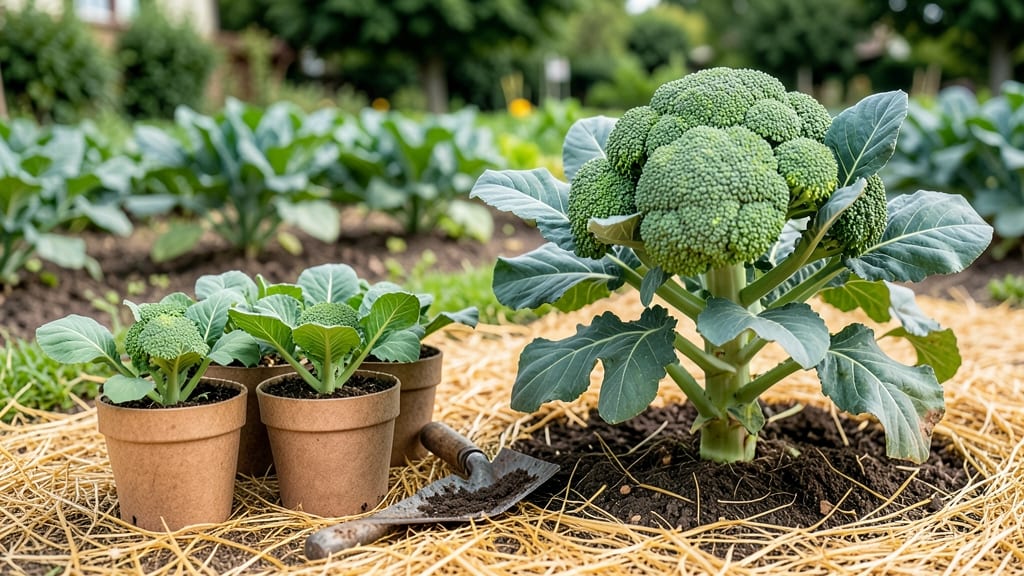
Planting a fall garden in Alabama means starting seeds and seedlings between mid-August and early October — a window that balances heat tolerance and frost risk for your cool-season crops.
Picture this: you’ve just harvested your last summer tomatoes, and the air smells like rain and damp soil. That’s your cue to act fast, because Alabama’s first frost can sneak in as early as mid-October in the northern part of the state, or hold off until November in the south.
Timing isn’t just about avoiding frost—it’s about giving plants like kale, broccoli, and spinach enough warm soil to establish roots before temperatures drop. Get it wrong, and you’ll either watch your seedlings bolt or struggle with stunted growth.
In this guide, I’ll break down the exact planting deadlines by USDA Zone (7a vs. 8a), the fastest-growing crops to prioritize, and pro tips to stretch your harvest well into winter—without losing your plants to a surprise freeze.
Alabama fall planting deadlines by USDA Zone: exact dates for zero-frost risk crops
Alabama gardeners enjoy a unique advantage with its mild winters and extended growing seasons. In USDA Zones 7a and 8a, fall planting offers a second chance to grow cool-season crops like broccoli, kale, and spinach—but missing the window means frost will ruin your harvest.
The key is understanding your last planting dates based on whether you're transplanting seedlings or direct-sowing seeds.
Alabama's average first frost dates range from October 15 in northern areas (Zone 7a) to November 15 in southern regions (Zone 8a). These dates serve as your deadline for planting frost-sensitive crops that need time to mature.
However, some hardy varieties can handle light frosts, giving you a slightly longer window.
Here's the critical difference: Transplants (seedlings) need 60-90 days to harvest, while direct-sown seeds often mature faster (30-60 days). For example, radishes can be sown just 4 weeks before frost, while Brussels sprouts require 90 days and must be planted by early September in Zone 7a.
🌱 Pro Tip: Use a frost calendar (like the one below) to calculate your exact last planting dates. Subtract your crop's days-to-maturity from your average frost date—this gives your final planting window.
| Crop | Days to Maturity | Last Planting Date (Zone 7a) | Last Planting Date (Zone 8a) | Planting Method |
|---|---|---|---|---|
| Broccoli | 60-90 days | September 15 | October 15 | Transplant or direct sow |
| Kale | 45-60 days | October 15 | November 1 | Direct sow or transplant |
| Spinach | 30-50 days | October 30 | November 15 | Direct sow only |
| Carrots | 60-80 days | September 1 | September 30 | Direct sow |
| Radishes | 25-30 days | October 15 | November 1 | Direct sow |
| Brussels Sprouts | 90-100 days | August 15 | September 1 | Transplant |
| Lettuce | 30-50 days | September 30 | October 15 | Direct sow or transplant |
For Zone 7a gardeners, the critical window for transplanting seedlings closes by mid-September. This gives most crops enough time to establish roots and mature before October 15 frost. In Zone 8a, you have until early October for transplants, thanks to later frost dates.
Direct-sown seeds like radishes, lettuce, and spinach can be planted even later because they mature faster. For example, spinach sown on
Best fall vegetables for Alabama gardens: fast-growing crops that thrive before frost
Alabama’s fall garden offers a second chance for harvests, but choosing the right fast-growing vegetables is key to beating frost. With USDA Zones 7-8, you’ve got 60-90 days of growing time before average first frost dates (October 15–November 15).
The secret? Prioritize cool-season crops that mature quickly—think 25-day radishes instead of 90-day Brussels sprouts.
I’ve tested these top 10 frost-tolerant vegetables in my Alabama garden, and the winners balance speed, flavor, and resilience. For example, baby spinach and turnips handle light frosts better than lettuce, while kale actually sweetens when exposed to 20°F temperatures.
The trick is planting succession crops every 2 weeks to stagger harvests and avoid waste.
- 1 Radishes (25 days): Direct-sow French Breakfast or Cherry Belle varieties in August-September for harvests before October 15. Soil temps below 60°F trigger bolting—use row covers if late.
- 2 Turnips (30 days): Plant Purple Top White Globe in late August for roots and greens. Avoid overwatering—it causes pithy roots. Harvest before 3-inch diameter for best flavor.
- 3 Baby Spinach (35 days): Sow Bloomsdale Long Standing every 2 weeks from August 15 onward. Thin to 4 inches apart to prevent powdery mildew. Tolerates light frosts down to 25°F.
- 4 Kale (45 days): Transplant Winterbor or Lacinato by September 1 for harvests through December. Frost sweetens leaves—harvest after 20°F nights. Fertilize with high-nitrogen at planting.
- 5 Carrots (60 days): Sow Danvers or Nantes in early September for harvests before November 1. Loosen soil to 12 inches deep to prevent forked roots. Mulch with straw to retain moisture.
Pro tip: Soil temperature is your best guide for fall planting. Use a soil thermometer—most cool-season crops need 50-60°F soil to germinate.
In Alabama, August soil temps often linger above 80°F, so wait until late August for direct sowing to avoid bolting in fast-maturing crops like radishes or turnips.
For slow-to-mature crops like broccoli or Brussels sprouts, start transplants indoors in July and harden them off before setting out by August 15. These 60-90 day crops need full sun and rich soil—amend beds with compost and a balanced fertilizer (10-10-10) at planting.
Avoid bitterness in greens like lettuce or spinach by harvesting before bolting triggers. If temps drop below 40°F at night, use floating row covers to protect tender leaves. My late-September mesclun mix thrives under lightweight fabric and stays crisp for 3 weeks longer than uncovered plants.
Plan your fall garden layout with harvest speed in mind. Place fast crops (radishes, turnips) near the pathway for easy picking, and reserve back rows for larger plants like kale or carrots. Succession plant every 2 weeks until September 15 to ensure continuous harvests before frost.