
Planting
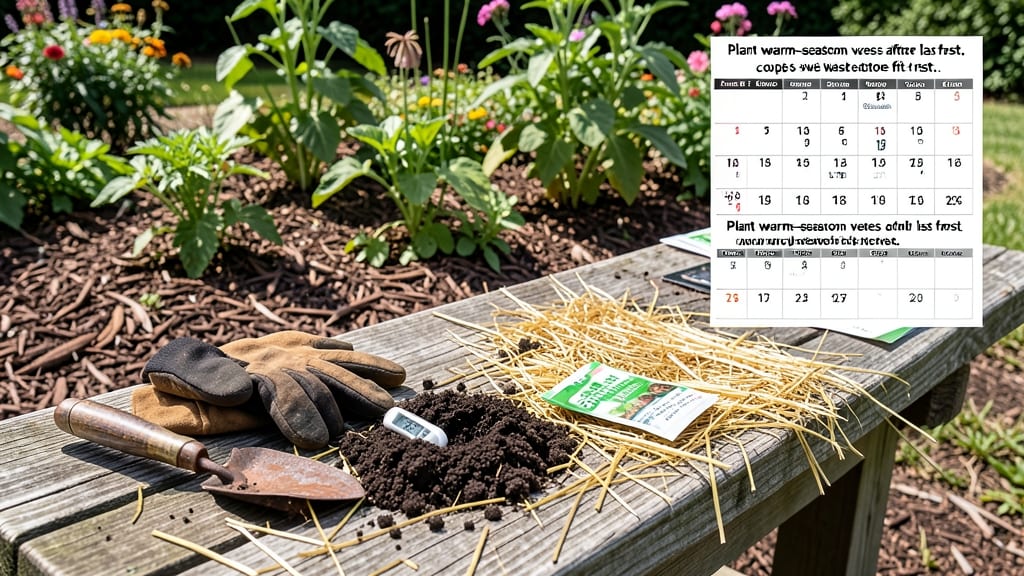
To plant a garden in Alabama, time your seeds and transplants between late February and early April for spring, or late August to early October for fall—when the last frost has passed and soil warms to 60°F.
Alabama’s warm climate and long growing season make it a gardener’s paradise—but planting at the wrong time can mean wasted seeds and stunted plants. Whether you’re growing tomatoes, peppers, or flowers, getting the timing right is the key to a thriving 🌱 General Alabama Garden.
From the coastal South to the mountains of North Alabama, frost dates shift dramatically. Inland areas like Birmingham may see their last frost by mid-March, while Mobile’s coastal warmth delays it until early April. Missing these windows risks heat stress or frost damage.
Below, I break down the exact planting schedule by region, when to start seeds indoors, and how to stretch your growing season with simple tricks. No more guesswork—just stress-free harvests all year.
Alabama last frost dates by region: critical planting windows explained
Alabama’s diverse climate means frost dates vary dramatically from the cool mountain regions in the north to the humid coastal plains in the south. Understanding your USDA hardiness zone (7a-8b) and local frost patterns is key to avoiding frost damage and maximizing your garden’s potential.
Whether you're planting tomatoes or broccoli, timing matters more than you might think!
In Northern Alabama (zones 7a-7b), like Huntsville or Decatur, the average last spring frost arrives around March 20-25, while Southern Alabama (zones 8a-8b), including Mobile or Dothan, sees frost-free conditions by March 5-10.
These dates shift your planting windows significantly—cool-season crops like lettuce can go in much earlier in the south, while northern gardeners must wait longer.
Here’s the critical data you need to plan your garden like a pro:
For warm-season crops like peppers, cucumbers, and sweet potatoes, wait until the soil temperature reaches 60°F+ and nighttime temps stay above 50°F. In Northern Alabama, this means holding off until mid-April, while southern gardeners can start as early as late February.
Pro tip: Use a soil thermometer to check—cold soil stunts growth!
Cool-season crops like kale, spinach, and broccoli thrive in Alabama’s mild winters. Plant them 6-8 weeks before your first fall frost for a harvest before cold sets in.
In Central Alabama, this means sowing seeds by mid-July, while northern gardeners should aim for early August to avoid early frosts.
Microclimates matter! Coastal areas like Mobile Bay experience milder winters due to the Gulf’s influence, while inland valleys (like the Tennessee River Valley) can get colder. Check the Alabama Cooperative Extension System for hyper-local data—your neighbor’s garden might have a 2-week difference in frost dates!
Don’t forget succession planting! In Alabama’s long growing season, you can often squeeze in two harvests of fast-growing crops like lettuce or radishes. For example, plant a second crop of bush beans in early July for a fall harvest before the first frost.
This extends your garden’s productivity and reduces waste.
If you’re new to Alabama gardening, start with heat-tolerant varieties like Okra or Southern Peas—they handle the state’s humidity and heat like champions. For cool-season plants, opt for cold-hardy greens like collard greens or mustard greens, which thrive in Alabama’s winters.
Mark your calendar with these critical dates and adjust based on your microclimate. With the right timing, you’ll enjoy a bountiful harvest all year round—from spring radishes to fall pumpkins! 🌱
Best plants to grow in Alabama by season: month-by-month planting guide
Alabama’s long growing season and diverse climate allow gardeners to grow a wide variety of plants year-round. However, knowing when to plant each crop is key to avoiding frost damage and maximizing yields.
Whether you're a beginner or seasoned gardener, this month-by-month guide will help you plan your garden for success.
From cool-season crops like broccoli and spinach in winter to heat-loving plants such as okra and sweet potatoes in summer, Alabama’s USDA Zones 7a-8b offer endless possibilities. Let’s break down the best plants to grow each month, so you can enjoy fresh produce and beautiful blooms all year long.
- January-February: Plant cool-season crops like kale, spinach, and carrots. Start onion sets and garlic for early spring harvests.
- March-April: Time for warm-season crops like tomatoes, peppers, and cucumbers. Also plant beans, squash, and corn after the last frost date.
- May-June: Sow okra, sweet potatoes, and eggplant. Continue planting herbs like basil and cilantro for summer harvests.
- July-August: Plant fall crops like broccoli, cabbage, and lettuce for late-season harvests. Also sow radishes and turnips for quick results.
- September-October: Extend your season with cool-season crops like brussels sprouts, kale, and collard greens. Plant garlic for next year’s harvest.
- November-December: Focus on winter herbs like parsley and chives. Mulch perennials and shrubs to protect them from cold snaps.
For coastal areas, like Mobile, expect slightly earlier last frost dates (around February 28) compared to northern Alabama, where frost may linger until March 15. Adjust your planting schedule accordingly to avoid frost damage to tender plants.
Don’t forget to mulch your soil to retain moisture and regulate temperature. In summer months, mulching helps prevent soil erosion and keeps roots cool. For fall planting, use organic mulch like straw or leaves to protect young seedlings from late-season frosts.
Alabama’s Extension System offers localized planting guides and soil tests. Check with your local county extension office for region-specific advice tailored to your microclimate. With the right timing and care, you’ll enjoy a thriving garden all year long! 🌱