
Planting
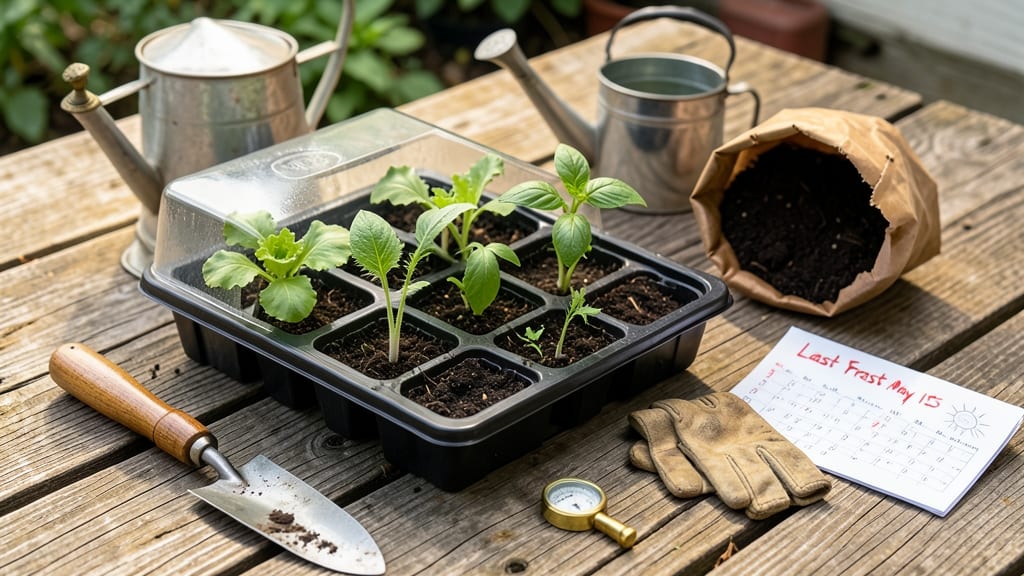
Planting your garden at the right time guarantees a thriving harvest 🌱—but most gardeners miss the best windows for their climate and crops.
Picture this: you’ve spent weeks prepping soil, buying seeds, and dreaming of fresh tomatoes—only to watch them wilt under a late frost or bolt in the heat.
The truth is, the best time to plant depends on where you live and what you’re growing, yet many of us still guess instead of planning.
In this guide, I’ll break down the exact planting months for your USDA zone, from cool-season greens to heat-loving peppers, so you can avoid costly mistakes. You’ll also learn how to adjust for weird weather, extend seasons, and even start seeds indoors for a head start.
Whether you’re a first-timer or a seasoned gardener, these climate-smart tips will help you plant with confidence—and enjoy a bountiful garden all season long.

Climate-based planting timelines: when to start by USDA Zone
Timing your garden correctly is like catching a wave—miss it, and you’ll struggle to keep up. Your USDA hardiness zone determines when to plant cool-season crops (like lettuce and peas) versus warm-season crops (like tomatoes and peppers).
Coastal areas often have milder winters, while inland zones may face earlier frosts. Let’s break down the best month-by-month planting schedule for zones 3 through 10, including how to adjust for your local microclimate.
First, find your last frost date—this is your garden’s starting line. For example, in Zone 5, the last frost typically falls around May 10, while Zone 9 might see its last frost as early as February 15.
Warm-season crops need soil temperatures above 60°F, while cool-season crops thrive when soil temps drop below 75°F. Use a soil thermometer to check before planting.
Here’s how to adjust for coastal vs. inland differences: Coastal areas (like Zone 7b in San Francisco) may have 30-60 days later last frosts than inland zones.
For instance, inland Zone 7a might have its last frost on April 15, while coastal Zone 7b could wait until May 15. Always check local weather records or use apps like Old Farmer’s Almanac for precise dates.
Now, let’s dive into the comparison-table below to see the ideal planting windows for your zone. This table covers cool-season and warm-season crops, including when to start seeds indoors and when to transplant outdoors.
For Zone 3-4, where winters are harsh, focus on early spring planting (March-April) for cool-season crops like spinach and kale. Start warm-season crops like peppers indoors in April and transplant after June 1, when soil temps are stable.
In Zone 5-6, you can start cool-season crops indoors as early as February, while warm-season crops like tomatoes should go in the ground by May 15.
In Zone 7-8, the growing season stretches longer, allowing for fall planting of cool-season crops like broccoli and carrots in August-September. Warm-season crops can be planted as early as March in Zone 8 and April in Zone 7.
For Zone 9-10, where frost is rare, you can plant year-round, but focus on fall crops (like lettuce) in October-November and spring crops (like beans) in February-March.
Pro tip: Use row covers or cold frames to extend your growing season in colder zones. For example, in Zone 4, a cold frame can let you plant spinach as early as March 1, even if frost is still possible.
In warmer zones, shade cloth can protect warm-season crops from heat stress during summer.
Don’t forget about succession planting! In Zone 6
Best crops to plant in spring vs. fall: seasonal planting guide
Spring and fall are the two golden windows for planting most garden crops, but knowing which plants thrive in each season can make or break your harvest. Spring planting focuses on warm-season crops that need consistent warmth, while fall planting prioritizes cool-season varieties that mature before winter.
The difference in soil temperatures and daylight hours means you can't just swap seeds between seasons.
For example, tomatoes and peppers love the long, warm days of spring, while kale and broccoli actually prefer the cooler temperatures of fall. Understanding these preferences helps you maximize your garden's productivity year-round. Let's break down the best crops for each season and why timing matters so much.
Soil temperature is the #1 factor in seasonal planting success. Most spring crops like cucumbers and beans need soil at 60°F+, while fall crops like spinach and carrots can tolerate cooler 50°F soil. Fall planting also gives you a second harvest before winter sets in, extending your growing season beautifully.
Spring Planting vs. Fall Planting
- ✅ Warm-season crops
- ✅ Longer daylight hours
- ✅ Higher soil temperatures
- ✅ Ideal for tomatoes, peppers, corn
- ✅ Cool-season crops
- ✅ Extended harvest before frost
- ✅ Lower soil temperatures
- ✅ Ideal for kale, broccoli, lettuce
- ❌ Late spring frosts can damage tender plants
- ❌ Overcrowding if planted too early
- ❌ Disease pressure increases with heat
- ❌ Early fall frosts can limit growth
- ❌ Shorter daylight may slow maturity
- ❌ Pests thrive in cooler weather
One of my favorite succession planting strategies is to interplant spring and fall crops. For example, you can plant radishes (fast-growing spring crop) alongside carrots (slower-growing fall crop). The radishes will be ready in 30 days, while the carrots mature over 60-70 days, giving you continuous harvests throughout the season.
Don't forget about maturity timelines when planning. Fall crops must reach maturity before your first frost date, which typically occurs 6-8 weeks after the autumn equinox.
For example, if your first frost is October 15th, you should plant broccoli by early August to ensure it matures before the cold sets in.
For year-round harvests, combine spring and fall planting with succession sowing. Plant quick-maturing crops like lettuce every 2 weeks in spring, then repeat with fall varieties like spinach in late summer.
This creates a continuous harvest from early spring through late fall, keeping your kitchen stocked with fresh produce.