
Tools
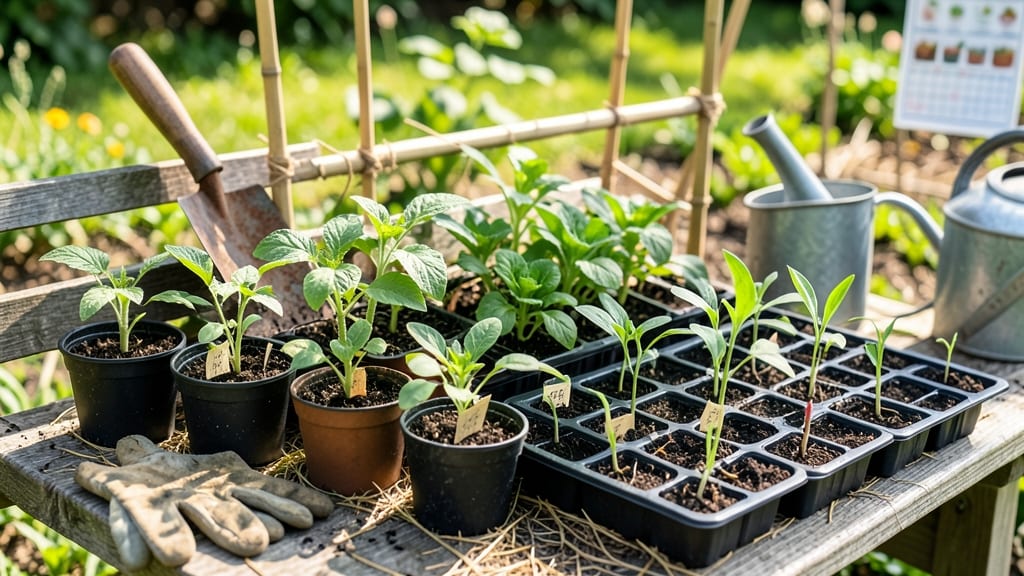
A vegetable garden planting schedule is your roadmap to a bountiful harvest, and getting it wrong means watching your hard work wither before it even takes root.
Timing is everything in gardening—plant too early or too late, and your vegetable garden 🌱 could miss peak harvests entirely. This zone-specific planting schedule ensures you maximize yields by aligning seed starts and transplants with your local climate’s last frost dates, daylight cycles, and soil temperatures.
Whether you’re in USDA Zone 6a or another region, knowing when to sow lettuce in cool spring soil or transplant tomatoes after the last frost makes all the difference. Skip the guesswork and learn how to adjust for your microclimate, from urban heat islands to early-season cold snaps.
Inside, you’ll find a breakdown of planting deadlines, succession strategies, and the most common mistakes—like planting too soon—that rob gardens of their full potential. Let’s get those seeds in the ground at the perfect time.

Zone-by-zone vegetable planting deadlines for peak harvests
Getting your vegetable planting schedule right means the difference between a bountiful harvest and wasted effort. Each USDA zone has unique last frost dates and soil conditions that dictate when to plant cool-season crops like spinach or warm-season staples like tomatoes.
Below, I’ve broken down the ideal planting windows for zones 3 through 10, including adjustments for succession planting to keep your garden productive all season.
For cool-season vegetables, timing is critical—plant too early, and frost will damage tender seedlings. For warm-season crops, waiting until soil warms to 60°F (15°C) ensures strong root development.
Year-round growers like kale and carrots offer flexibility, but even they thrive with proper timing. Let’s dive into the specifics so you can plan with confidence.
| USDA Zone | Last Frost Date | Cool-Season Crops (Spinach, Broccoli) | Warm-Season Crops (Tomatoes, Peppers) | Year-Round (Kale, Carrots) | Succession Planting Tip |
|---|---|---|---|---|---|
| 3-4 | May 1 - May 15 | April 1 - April 15 (under cover) | After May 20 (soil 60°F+) | March 15 - April 30 | Plant every 2 weeks for continuous harvest |
| 5-6 | April 15 - April 30 | March 15 - April 1 | After April 15 (soil 60°F+) | February 20 - May 15 | Sow every 3 weeks for greens |
| 7-8 | March 1 - March 15 | February 1 - March 1 | After March 1 (soil 65°F+) | January 15 - June 1 | Plant lettuce every 10 days |
| 9-10 | January 15 - February 1 | December 15 - January 15 | After February 1 (soil 70°F+) | October 1 - July 1 | Plant bush beans every 2 weeks |
In USDA zones 3-4, where winters are harsh, cool-season crops like spinach and broccoli should start indoors 6-8 weeks before your last frost date. Use row covers to extend the season into early spring or late fall.
For warm-season crops, wait until the soil temperature consistently stays above 60°F (15°C)—typically after May 15 in these zones.
Zones 5-6 offer a longer growing window, allowing for two full harvests of warm-season crops like tomatoes and peppers.
Start cool-season crops in early spring (March) and again in late summer for a fall harvest. Succession planting every 2-3 weeks ensures a steady supply of leafy greens like lettuce or radishes.
Gardeners in zones 7-8 can push the limits with year-round growing. Plant kale and carrots in winter under frost cloth, and sow warm-season crops as early as February.
The key here is soil temperature—wait until it reaches 65°F (18°C) for tomatoes and 70°F (21°C) for peppers to avoid stunted growth.
For zones 9-10, where frost is rare, focus on seasonal succession planting. Plant warm-season crops in early spring and again in late summer for a fall harvest. Cool-season crops thrive in winter, so take advantage of mild temperatures to grow spinach and broccoli from October through
How to adjust your planting schedule for early or late harvests
Even with the perfect vegetable garden planting schedule, unpredictable weather or microclimates can disrupt your harvest timing. The key to success is flexibility—adjusting your approach based on local conditions rather than rigid deadlines.
Whether you're dealing with an early spring or a late summer, these strategies will help you extend your growing season and maximize yields.
Start by identifying your microclimate factors, such as urban heat islands, slopes, or wind exposure. These can shift your last frost date by weeks compared to official averages. For example, a south-facing wall might warm your garden by 5-10°F, allowing earlier planting of warm-season crops like tomatoes or peppers.
- Use cold frames or row covers to start cool-season crops like lettuce 3-4 weeks earlier than your last frost date.
- Choose heat-tolerant varieties (e.g., 'Heatmaster' tomatoes or 'Malaga' spinach) to extend harvests into summer.
- Calculate custom deadlines by adding/subtracting 10-14 days from official frost dates based on your microclimate.
- Plant fast-maturing varieties (e.g., 'Early Girl' tomatoes or 'Little Gem' lettuce) for quicker harvests in short seasons.
- Use succession planting every 2-3 weeks to stagger harvests and fill gaps caused by late starts.
For early harvests, prioritize cold-hardy crops like kale, peas, or radishes. These can tolerate light frosts and often produce faster than warm-season plants. Pair them with protective measures like floating row covers, which can raise soil temperatures by 2-8°F and shield plants from wind.
When aiming for late harvests, focus on heat-resistant varieties and mulch heavily to retain moisture. Drip irrigation systems help maintain consistent soil temperatures, while shade cloth (30-50%) can protect delicate greens from scorching. Always monitor your garden's soil temperature—most seeds need at least 60°F to germinate.
Don’t forget to adjust your fertilizer schedule when shifting planting times. Early starts may need less nitrogen initially, while late-season plants benefit from a phosphorus boost to strengthen roots before cooler weather. Use organic matter like compost to improve soil structure and water retention.
Finally, keep a gardening journal to track what works in your specific conditions. Note which varieties thrive in your microclimate, how protective structures perform, and when your true last frost occurs. Over time, you’ll refine your schedule to match your unique growing environment perfectly.