
Planting
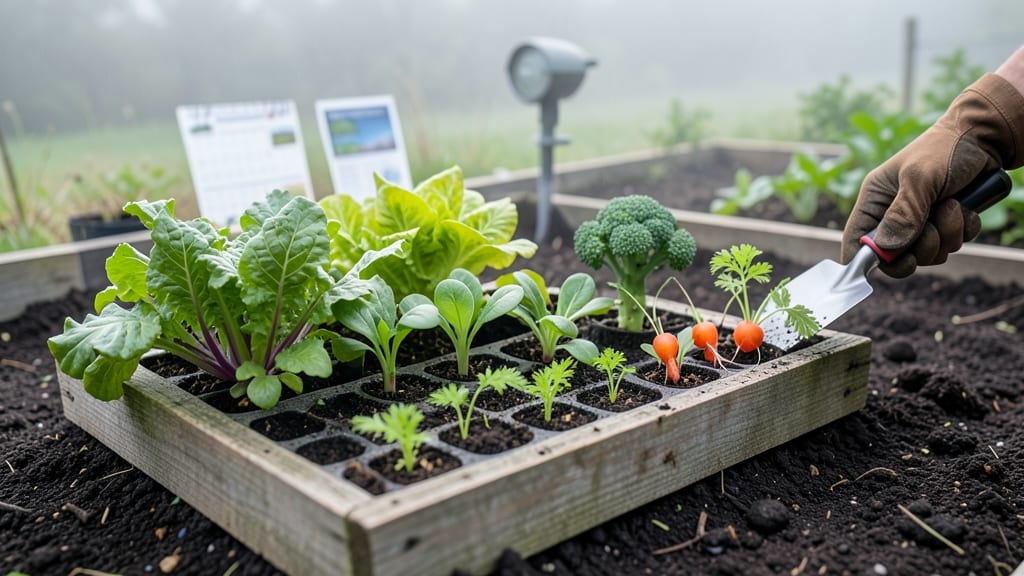
To plant a vegetable garden in Seattle, time your sowing between mid-March and mid-September—aligning with the city’s 165 frost-free days and microclimates that shift from chilly springs to mild summers.
Seattle’s unpredictable weather can make or break your vegetable garden 🥕—planting at the wrong time means wasted seeds and stunted crops. But with the right timing, you can enjoy a thriving harvest year-round, even in the city’s famous 'rainy' climate.
Cool-season crops like spinach and peas thrive when started indoors 4–6 weeks before your last frost (April 15), while tomatoes and peppers need to wait until after that date. Urban heat islands in neighborhoods like Queen Anne can push those windows 2–4 weeks earlier than rural areas.
Below, I’ll break down the exact planting windows for Seattle’s most popular vegetables, how to adjust for your neighborhood, and which zero-frost-risk crops will give you the fastest harvests—no matter where you garden in the city.
Seattle’s frost-free planting zones: when to start seeds indoors vs. direct sowing outdoors
Seattle’s USDA Zone 8a/8b climate creates unique challenges for gardeners, with last frost dates ranging from April 15 to May 15. Understanding these windows is key to avoiding frost damage while maximizing your harvest.
My garden thrives when I align planting with Seattle’s cool, wet springs and mild summers, which demand precise timing for both indoor seed starts and direct outdoor sowing.
For cold-hardy crops like spinach and peas, I start seeds indoors 4–6 weeks before the last frost (around March 1–15). These early starts give seedlings a head start in our chilly, unpredictable soil.
Meanwhile, heat-loving plants such as tomatoes and peppers need to wait until after May 15, when soil temperatures consistently stay above 55°F.
Seattle’s microclimates add another layer of complexity. Urban areas like Downtown and Ballard often warm up faster, while windy coastal zones (e.g., West Seattle) stay cooler longer.
I adjust my planting dates by 1–2 weeks based on my neighborhood’s specific frost patterns, which I track using local WSU Extension data.
Direct sowing outdoors is ideal for fast-growing, cool-season crops like radishes and lettuce. I plant these 2–4 weeks before the last frost (early March) to ensure they mature before summer heat arrives. For warm-season crops, I wait until after June 1 to avoid transplant shock from sudden temperature swings.
| Crop | Indoor Start Date | Outdoor Direct Sow | Transplant Outdoors | Notes |
|---|---|---|---|---|
| Spinach | March 1–15 | March 15–April 15 | April 1–15 | Bolt-resistant varieties preferred |
| Tomatoes | March 15–April 1 | N/A | May 15–June 1 | Use row covers for early starts |
| Peas | February 15–March 1 | March 1–15 | March 15–April 1 | Sow early for spring harvest |
| Bell Peppers | March 1–15 | N/A | May 15–June 1 | Slow growers; needs warm soil |
| Lettuce | February 15–March 1 | March 15–April 15 | April 1–15 | Succession plant every 2 weeks |
| Bush Beans | April 15–May 1 | May 15–June 1 | June 1–15 | Wait until soil is warm |
My go-to strategy for Seattle’s climate is to overlap planting windows for extended harvests. For example, I direct-sow radishes in early March for a spring crop, then replant in late August for a fall harvest before the first frost.
This succession planting ensures I enjoy fresh produce year-round, even in our short growing season.
For heat-sensitive crops like cucumbers and squash, I use black plastic mulch to warm the soil faster, often planting 2 weeks earlier than the standard timeline. This trick has helped me extend my growing season by 3–4 weeks, making a real difference in Seattle’s cool summers.
Always monitor soil temperatures—they’re more critical than air temperatures. A soil therm
Microclimate matters: adjusting planting times for urban vs. rural Seattle gardens
Seattle’s diverse neighborhoods create distinct microclimates that can shift your planting schedule by 2–4 weeks. Urban areas like Queen Anne experience heat islands that warm soil earlier, while South Seattle stays cooler and wetter longer.
These variations mean your peppers might thrive 3 weeks sooner in Ballard than in West Seattle.
Wind exposure is another critical factor. Exposed hilltops (like Magnolia) dry out faster, requiring earlier watering, while sheltered urban pockets (like Pioneer Square) retain moisture longer. Even elevation changes—just 100 feet higher—can delay frost by 1–2 weeks, extending your growing season.
Key adjustments for Seattle’s neighborhoods appear below. Use these as a guide to fine-tune your planting calendar. For example, kale planted in Fremont may need to go in 2 weeks earlier than in Beacon Hill, where cooler nights slow growth.
For heat-loving crops like tomatoes or cucumbers, urban areas warm up faster. Plant 2 weeks earlier in downtown than in Shoreline, where cooler marine air lingers. Conversely, cool-season crops like lettuce or carrots can be sown 3 weeks later in wind-sheltered spots like Madison Valley.
Adjust your schedule further by monitoring soil temperature. Use a soil thermometer—ideal temps for peppers are 70°F+, while kale thrives at 45–65°F. In elevated areas (e.g., Capitol Hill), soil warms 1–2 weeks later than street-level gardens.
Pro tip: Group fast-maturing crops (like radishes) with slower growers (like broccoli) to maximize space. In urban heat islands, succession plant every 2 weeks to stagger harvests and avoid gluts.
🌱