
Fertilization
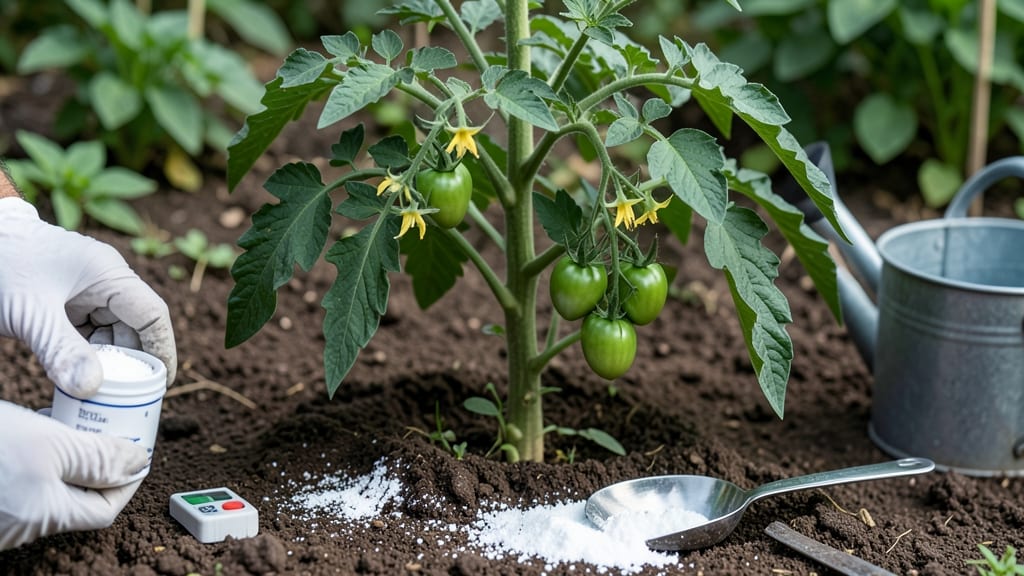
Using baking soda in garden soil can adjust acidic soil to neutral pH levels, benefiting plants like azaleas and blueberries—but improper use may damage soil microbes and reduce nutrient availability. Always conduct a soil test before applying.
Baking soda (sodium bicarbonate) works as a temporary pH booster by raising soil alkalinity, which helps acid-sensitive plants like hydrangeas or rhododendrons. 🌱 However, its effects are short-lived, often lasting just a few weeks, so it’s best for small, targeted adjustments rather than long-term fixes.
I recommend mixing 1 tablespoon per gallon of water and applying it to the soil surface, then lightly watering it in—never exceed this ratio, as excess sodium can harm soil structure.
For best results, apply baking soda in early spring when plants are actively growing, and avoid using it on soils already testing neutral or alkaline. Always pair it with a soil test kit to monitor pH changes, as overcorrection can be just as harmful as under-treatment.
Think of it as a quick fix, not a permanent solution—organic matter like compost will provide more sustainable pH balance over time.
💡 In This Article
- How Baking Soda Affects Soil pH and Plant Health
- Safe Dosage and Application Methods for Garden Soil
How baking soda affects soil pH and plant health
Baking soda (sodium bicarbonate) works by donating hydroxide ions (OH⁻) to acidic soil, which neutralizes hydrogen ions (H⁺) and raises the pH. This chemical reaction is similar to how antacids neutralize stomach acid—it’s a rapid but temporary fix.
When dissolved in water, baking soda dissociates into sodium (Na⁺) and bicarbonate (HCO₃⁻), which then reacts with soil acids to form water and carbon dioxide, effectively reducing acidity.
For example, in highly acidic soil (pH <5.5), a single application can raise pH by 0.5-1.0 points, but this effect diminishes within weeks as the sodium leaches away. 🌱
The sodium content in baking soda is where things get tricky. While it helps adjust pH, excessive sodium can disrupt soil structure by breaking down soil aggregates, leading to compaction and poor drainage. This is why baking soda is best suited for small, targeted adjustments rather than large-scale soil amendments.
Plants like azaleas, blueberries, and hydrangeas—which thrive in acidic conditions (pH 4.5-5.5)—may suffer if the pH shifts too far toward neutral (7.0) or alkaline. Conversely, alkaline-loving plants such as lavender, rosemary, or asparagus benefit from a pH boost, as their roots struggle in acidic environments.
Microbes in the soil are particularly sensitive to pH swings. Most beneficial bacteria and fungi prefer a slightly acidic to neutral range (pH 6.0-7.0), so overuse of baking soda can disrupt these ecosystems, reducing nutrient availability.
For instance, nitrogen-fixing bacteria like Rhizobium become less active in highly alkaline soils, which can stunt plant growth despite the pH adjustment. This is why a soil test is non-negotiable—it tells you exactly how much baking soda to use and whether your soil can handle the change. 💫
Long-term, baking soda’s effects are minimal compared to organic amendments like lime or wood ash, which provide lasting pH adjustments. However, its quick action makes it ideal for emergency fixes, such as correcting a sudden pH drop after heavy rain or acidic fertilizer use.
The key is balance: think of baking soda as a short-term tool, not a permanent solution. Pair it with compost or peat moss to buffer the soil and support microbial life while you work toward a more stable pH over time.
Visualize it this way: baking soda is like a temporary bandage for soil pH—it stops the bleeding (acidity) quickly but doesn’t heal the underlying issue.
For example, if your soil tests at pH 4.0, you might need to apply baking soda to raise it to 5.0 for blueberries, but without ongoing organic matter, the pH will drift back down.
That’s why gardeners often combine baking soda with other amendments, like pine needles (for acidity) or crushed eggshells (for calcium), to create a more resilient soil environment. ✨
One common mistake is assuming all plants need alkaline soil. Acid-loving plants like potatoes or tomatoes actually prefer a slightly acidic pH (5.5-6.5), so baking soda would harm them. Always match the amendment to the plant’s needs—this is where that soil test kit becomes your best friend.
For instance, if you’re growing hydrangeas, you might aim for pH 6.0 to encourage blue flowers, but for azaleas, you’d want to keep it closer to 5.0. The difference in pH goals highlights why precision matters. 🔥
Finally, consider the texture of your soil. Sandy soils drain baking soda quickly, requiring more frequent applications, while clay soils hold onto it longer. This means your dosage might need to vary depending on your soil type.
For example, a clay-heavy garden might only need half the amount of baking soda compared to a sandy loam. Always start small, monitor the results, and adjust as needed—your plants will thank you for the careful approach. 🌿