
Companion Plants
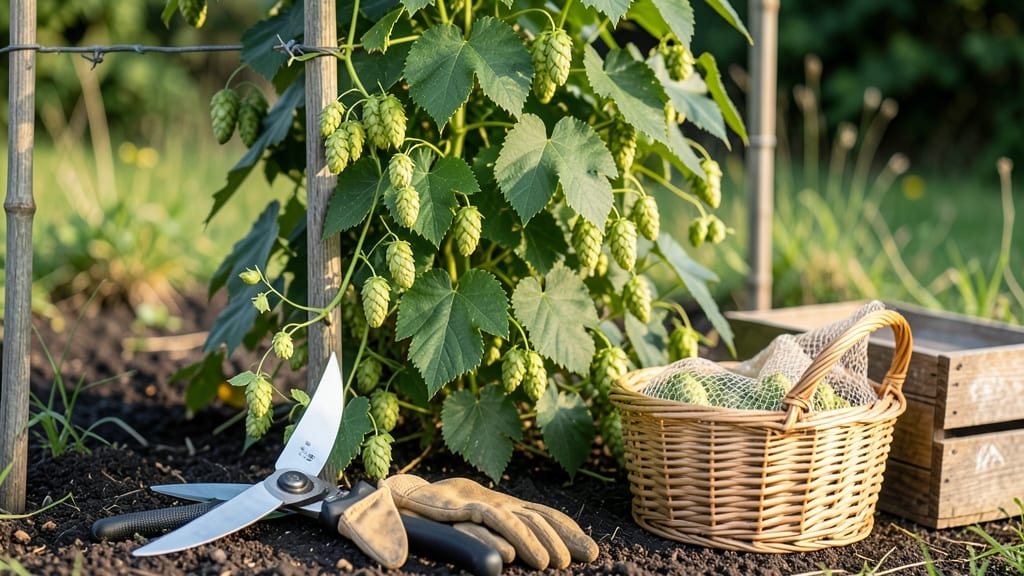
Beer and gardening work together to boost your plants: the yeast and hops in beer enrich soil fertility, repel pests, and speed up compost breakdown, while the alcohol content helps break down organic matter for nutrient-rich soil amendments.
When you think of beer, gardening might not be the first thing that comes to mind—but the science behind it is fascinating. 🌱 The yeast in beer introduces beneficial microbes that improve soil structure and nutrient availability, while hops act as a natural fungicide, protecting plants from common diseases.
I’ve seen firsthand how a small amount of diluted beer can transform tired soil, giving plants a stronger foundation to grow. Plus, the alcohol content helps break down organic matter faster, making compost tea or soil amendments more effective.
Beyond soil health, beer can also deter pests like slugs and snails—just a few drops around plant bases create a natural barrier. The key is moderation: too much beer can harm plants, but when used correctly, it’s a budget-friendly way to enhance your garden’s productivity.
Whether you’re composting or treating your soil, beer can be a surprisingly effective (and fun) addition to your gardening routine.
💡 In This Article
- How Beer Enhances Soil Fertility and Plant Growth
- Practical Ways to Use Beer in Your Garden
How beer enhances soil fertility and plant growth
At its core, beer’s gardening benefits stem from its microbial powerhouse: yeast. When you pour beer into soil, the yeast—specifically Saccharomyces cerevisiae—introduces beneficial microbes that break down organic matter far more efficiently than traditional compost alone.
These microbes produce enzymes that accelerate decomposition, converting complex organic compounds into plant-available nutrients like nitrogen, phosphorus, and potassium. Studies show that soil treated with diluted beer can see a 30-50% increase in microbial activity within just 7-10 days, compared to untreated soil.
The hops in beer add another layer of benefit as natural fungicides. Hops contain compounds like iso-alpha acids (the same ones that give beer its bitterness), which have been proven to inhibit fungal growth—including powdery mildew and black spot—without harming plants.
This makes beer a gentle yet effective alternative to chemical fungicides. The alcohol content (typically 4-6% ABV) also plays a role by creating a hostile environment for many soil-borne pathogens, though it evaporates quickly, leaving behind only the beneficial microbial boost.
What’s fascinating is how beer compares to traditional fertilizers. While synthetic fertilizers provide immediate but short-term nutrient spikes, beer-based amendments create a long-term microbial ecosystem that continuously improves soil structure.
For example, a 1:10 dilution of beer to water (about 1 cup beer per gallon) applied to compost piles can reduce decomposition time by up to 25%, thanks to the yeast’s enzymatic activity. This makes beer especially useful for gardeners who prioritize organic, sustainable methods over chemical inputs.
However, the magic isn’t just in the microbes—it’s in the balance. Beer’s nitrogen content (around 0.05-0.1% by weight) provides a mild fertilizer effect, but it’s the secondary compounds that truly set it apart.
The polyphenols in hops, for instance, act as chelators, helping plants absorb minerals like iron and zinc more efficiently. This is why beer-treated soil often yields plants with deeper green foliage and stronger root systems, even when other growing conditions remain identical.
For the best results, focus on moderation and timing. Applying beer to soil in early spring or during composting gives microbes time to establish before peak growing seasons.
Overapplication can lead to alcohol buildup, which may temporarily stunt microbial activity—so think of beer as a supplement, not a replacement for balanced fertilization. The sensory payoff? Soil treated with beer often develops a richer, darker hue and a fresh, earthy aroma that signals improved microbial diversity.
Here’s what most gardeners don’t realize: the same yeast that ferments beer can also outcompete harmful bacteria in the soil. When you add beer, you’re essentially introducing a beneficial microbial army that crowds out pathogens like Escherichia coli and Pseudomonas species.
This is why beer-based soil treatments are particularly effective in urban gardens or containers, where pathogen pressure is often higher due to limited soil turnover.