
Tools
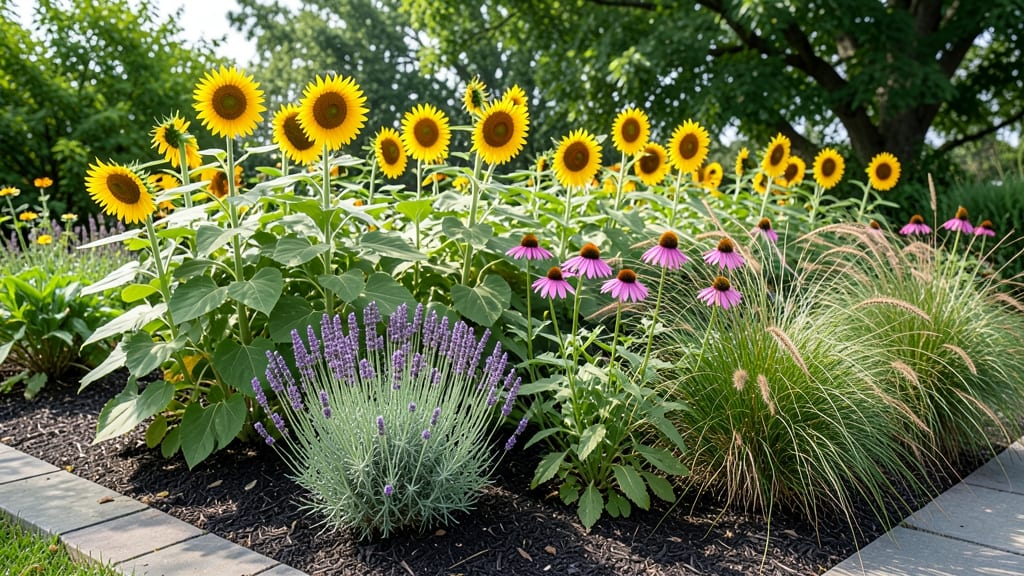
The best place for a garden depends on sunlight, soil, and space—but getting it wrong can leave your plants struggling or even dying.
Picture this: you’ve spent hours prepping soil and selecting seeds, only to watch your 🌱 General Garden wilt because it’s tucked in the shade of a tree or buried in clay. The right spot isn’t just about aesthetics; it’s about survival.
Whether you’re working with a tiny balcony or a sprawling backyard, the secrets to thriving plants start with where you put them.
Sunlight is the most critical factor—most vegetables and flowers need at least 6 hours of direct light daily, while others thrive in partial shade. But it’s not just about hours; timing matters too.
Morning sun keeps plants cool, while afternoon heat can scorch leaves. Then there’s soil: rocky, soggy, or compacted ground will stunt growth no matter how much you water.
In this guide, I’ll walk you through how to assess your yard’s sunlight patterns, test soil health, and maximize space—whether you’re squeezing in a container garden or designing a full-size plot. By the end, you’ll know exactly where to plant for the best results.
How much sunlight does your garden really need?
Sunlight is the lifeblood of your garden—too much or too little can make or break your plants. Most gardeners assume they know their yard’s sunlight, but seasonal shifts and nearby structures (like trees or fences) can drastically change exposure.
I’ve learned the hard way that what seems like full sun in summer might turn into partial shade in winter. Let’s break down how to assess your space and match it to your plants’ needs.
Start by observing your yard at different times of day. Note where shadows fall at 10 AM, noon, and 4 PM—these are critical moments. A south-facing area in the Northern Hemisphere typically gets the most sun, while north-facing spots often stay shady.
Even a small difference in hours can affect whether your tomatoes thrive or your hostas wilt.
Here’s the golden rule: 6+ hours of direct sunlight qualifies as full sun, 3–6 hours is partial sun, and less than 3 hours is full shade. But remember, this changes with seasons.
What’s full sun in June might drop to partial shade in December due to lower sun angles. Use a sunlight tracker (or even a simple app) for a week to get accurate data.
Not all plants are created equal when it comes to sunlight. Vegetables like peppers and eggplants demand full sun, while leafy greens (think lettuce or spinach) tolerate partial shade. Herbs like basil love sun but can handle a few hours of shade, whereas ferns and hostas thrive in deep shade.
Misjudging sunlight is a common mistake—don’t assume your roses will love that sunny corner if they’re actually partial-shade lovers.
| Plant Type | Sunlight Needs | Best For | Examples |
|---|---|---|---|
| Full Sun | 6+ hours direct | Vegetables, flowers, herbs | Tomatoes, peppers, lavender, sunflowers |
| Partial Sun | 3–6 hours direct | Herbs, leafy greens, shrubs | Basil, Swiss chard, hydrangeas, impatiens |
| Full Shade | <3 hours direct | Shade-loving perennials | Hostas, ferns, astilbes, caladiums |
| Morning Sun | Sun before noon | Drought-tolerant plants | Succulents, sedum, some roses |
| Afternoon Sun | Sun after noon | Heat-sensitive plants | Lettuce, spinach, some herbs |
If your yard has spotty sunlight, consider creating microclimates.
For example, place heat-loving plants like okra or zucchini in the sunniest spot, while cool-season crops (like kale) can handle partial shade. Container gardening is a lifesaver here—you can move pots to follow the sun or provide shade with a simple umbrella on hot days.
Seasonal adjustments are key. In winter, evergreen trees can block up to 50% more sunlight than in summer. If you’re planting perennials, observe how sunlight shifts over a year.
I once planted a rosemary bush in what I thought was full sun, only to watch it struggle in winter when the neighbor’s oak dropped its needles. A quick fix? Prune nearby branches to let more light through.
Don’t overlook reflective surfaces—light-colored walls or gravel can bounce extra sunlight onto plants, while dark surfaces (like asphalt) absorb heat and may stress sun-loving plants. Test your space by placing a white board in potential garden spots for a few hours.
If it gets hot to the touch, that area gets intense sun and may need afternoon shade for delicate plants.
Pro tip: Group plants with similar sunlight needs together. This zonal planting makes maintenance easier and ensures no plant feels left out. For example, cluster tomatoes, peppers, and marigolds in the sunniest spot, while coleus and ferns can share a shadier corner.
This also reduces competition for resources and keeps your garden looking intentional.
Remember, even the hardiest plants can suffer if sunlight is off. Too much sun can scorch leaves, while too little leads to leggy, weak growth. Use shade cloth for sensitive plants or move containers as needed.
With a little observation and flexibility, you’ll find the sweet spot for every plant in your garden.
Now that you’ve mastered sunlight, your next step is assessing soil quality—but that’s a story for another time. For now, grab your notebook, head outside, and start tracking that sunlight! ☀️
Top 5 factors to consider when choosing garden location
Choosing the best place for a garden isn’t just about sunlight—though that’s crucial. Soil quality, drainage, wind exposure, accessibility, and water access all play pivotal roles in your garden’s success.
I’ve seen gardens thrive in spots that seem "wrong" because these hidden factors were optimized, while others struggle in sunny patches with poor soil. Let’s break down what truly matters beyond the obvious.
First, prioritize soil quality—it’s the foundation of plant health. Compacted or nutrient-poor soil can stunt growth, even with perfect sunlight. Test your soil’s pH and amend it with compost or organic matter.
For example, tomatoes and peppers need slightly acidic soil (pH 6.0–6.8), while blueberries thrive in acidic conditions (pH 4.5–5.5). Ignoring this can lead to yellowing leaves or poor yields, no matter how sunny your spot.
Next, drainage is often overlooked but critical. Standing water roots out plants by suffocating roots and inviting pests.
Observe how water pools after rain—if it lingers for hours, consider raised beds or mounding soil. Vegetables like carrots and herbs like rosemary despise soggy soil, while water-loving plants like canna lilies need consistently moist conditions.
A simple percolation test (dig a hole, fill with water, and time how long it drains) saves future headaches.
🌱 Top 5 Factors for the Best Garden Location
- 1. Soil Quality: Test pH and amend with compost for optimal nutrient uptake.
- 2. Drainage: Avoid waterlogged areas—raised beds help in low spots.
- 3. Wind Exposure: Shelter delicate plants from harsh winds to prevent damage.
- 4. Accessibility: Choose a spot you’ll easily reach for watering, weeding, and harvesting.
- 5. Water Source Proximity: Locate near a hose or irrigation system to simplify maintenance.
Wind exposure can make or break your garden. Strong winds dry out soil, damage stems, and even uproot seedlings. Tall plants like corn or sunflowers act as natural windbreaks, but if your yard is exposed, consider planting them on the windward side. Evergreens or fences also work well. I once lost a row of basil to windburn—now I always check wind patterns before planting delicate herbs.
Accessibility is about convenience and long-term care. A garden tucked in a corner might be picturesque but frustrating to maintain. Place it where you’ll actually tend to it—near your kitchen for herbs or a patio for flowers. Think about how you’ll move around with tools, watering cans, or even a wheelbarrow. A well-located garden saves time and reduces strain, especially as plants mature and require more attention.
Finally, proximity to water sources can’t be overstated. Hauling water from far away is a quick way to discourage gardening. If you’re using a hose, place the garden near an outdoor spigot. For drip irrigation, run lines from the nearest water supply.
Even a simple rain barrel nearby can save water and effort. I once spent an hour dragging a hose across the yard daily—until I replanted near the spigot and never looked back.
Balancing these factors ensures your garden isn’t just a pretty addition to your yard but a thriving ecosystem that rewards your effort. Start with soil and drainage, then layer in wind protection, accessibility, and water access. Your plants—and your back—will thank you! 🌿