
Vegetables
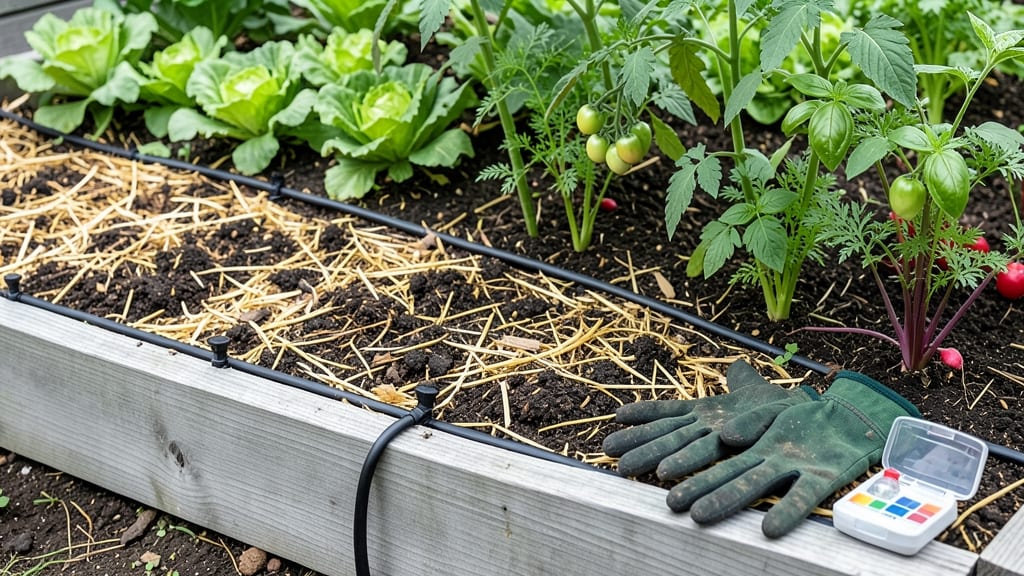
The best soil for vegetable garden raised beds creates a fertile loam mix that balances drainage and nutrient retention, using equal parts topsoil, compost, and coarse sand or perlite. This blend supports root vegetables and leafy greens while maintaining a 60-70% organic matter ratio for healthy plant growth.
Creating the ideal soil mix for raised beds isn't just about throwing in dirt and compost—it's about science. 🌱 The right blend ensures roots get enough oxygen while holding moisture, preventing both drought stress and waterlogging.
I've found that adding worm castings boosts microbial activity, which helps break down nutrients faster. For heavy feeders like tomatoes, I increase the compost ratio slightly, while root crops like carrots need finer, sandier textures to prevent forking.
Don't forget to test your soil's pH—most vegetables thrive between 6.0 and 7.0. If your mix feels too dense, mix in perlite or coconut coir to improve aeration. The key is consistency: once you find your perfect ratio, stick with it unless you're growing something with very different needs.
💡 In This Article
- Understanding Raised Bed Soil Composition for Vegetable Growth
- Plant-Specific Raised Bed Soil Adjustments and Mix Recipes
Understanding raised bed soil composition for vegetable growth
The magic of a perfect raised bed soil mix lies in its ability to balance three critical factors: aeration, moisture retention, and nutrient availability. The classic 1:1:1 ratio of topsoil, compost, and coarse sand creates what soil scientists call a "loam texture"—a mix that's neither too heavy nor too light.
Topsoil provides the mineral base, compost introduces beneficial microbes and organic matter, while sand or perlite creates air pockets that roots need to breathe. Without this aeration, roots suffocate, leading to stunted growth or rot.
Organic matter plays an especially vital role here. When you aim for a 60-70% organic matter ratio, you're creating a soil ecosystem that can hold 20-30% more water than sandy soil while still draining well.
This moisture capacity is crucial because vegetables like lettuce and spinach wilt dramatically with just 10% moisture loss, while root crops need consistent hydration to develop properly.
The organic matter also acts as a slow-release fertilizer, breaking down to feed plants over weeks rather than flooding them with nutrients all at once.
Texture matters just as much as composition. For leafy greens like kale or Swiss chard, you want a finer, almost silky texture that holds moisture near the surface where their shallow roots thrive.
Root vegetables, however, need a slightly grittier mix—think 30% sand or perlite—to prevent forking and encourage straight growth. I've noticed that adding 1 cup of fine horticultural grit per cubic foot makes a dramatic difference for carrots and radishes, giving them the space to grow without competing for room.
Here's what happens when you get it wrong: Too much sand creates a desert-like environment where nutrients wash away, while too much clay makes the soil compact and waterlogged.
The ideal mix should hold a dime-sized water droplet when squeezed—it should break apart with gentle pressure rather than forming a hard clump. This test gives you an immediate sense of whether your blend will support healthy root development or leave plants struggling.
One often-overlooked factor is microbial activity. Healthy soil contains billions of bacteria and fungi that break down organic matter into plant-available nutrients. When you add worm castings (even just 10% of your compost volume), you're introducing these beneficial organisms that work like a natural fertilizer factory.
These microbes also help suppress harmful pathogens, creating a protective environment for your vegetables. Think of them as the unsung heroes of your raised bed ecosystem!
For visual learners, imagine this: A well-mixed raised bed should look like a rich, dark chocolate cake batter—moist but crumbly, with visible flecks of sand or perlite throughout. This texture tells you the soil has the perfect balance of ingredients to support vigorous plant growth.
The moment you see it clinging together like wet clay or falling apart like dry sand, you know adjustments are needed.