
Vegetables
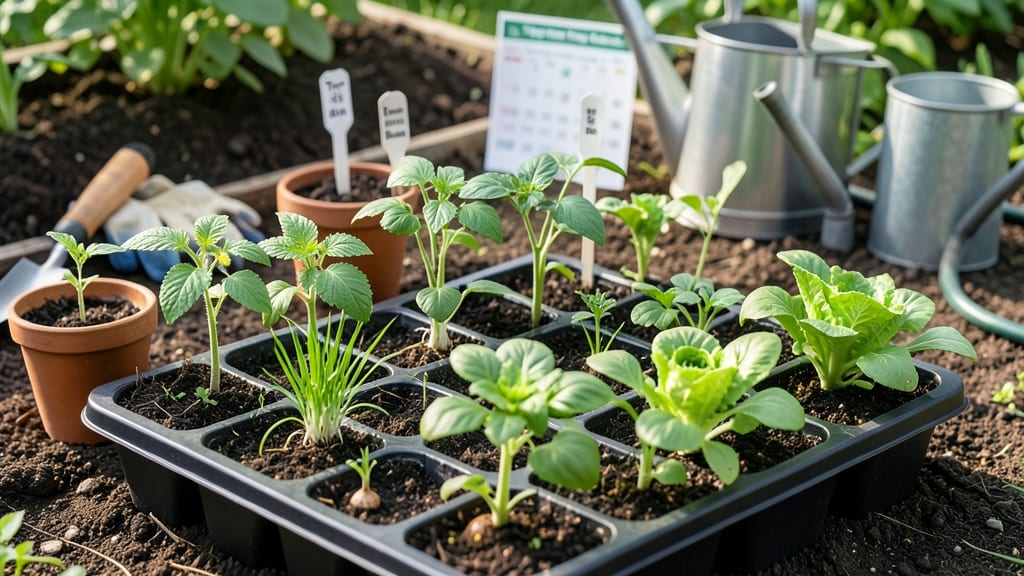
The best time to plant a vegetable garden depends on soil temperature triggers that fast-track growth—get it right, and you’ll see healthier seedlings and bigger yields.
Timing your vegetable garden planting by soil temperature can mean the difference between thriving harvests and struggling seedlings—discover the exact triggers for optimal growth in your region.
In Zone 6a, like many mid-latitude areas, cool-season crops like lettuce and peas thrive when soil reaches 40°F, while warm-season favorites such as tomatoes and peppers need to wait until it hits 60°F or higher.
Below, I’ll break down the fastest-growing planting windows by crop type, regional adjustments, and how to test soil temperature like a pro—so you can avoid common mistakes and maximize your harvest.

Soil temperature guidelines for planting vegetables by type
Getting your vegetable garden off to the right start means paying close attention to soil temperature. Unlike air temperature, which we check daily, soil temperature determines whether seeds will germinate or seedlings will thrive.
For warm-season crops like tomatoes and peppers, waiting for the right warmth is critical—planting too early can stunt growth or even kill delicate seedlings. Meanwhile, cool-season crops like lettuce and spinach actually prefer cooler soils to avoid bolting (premature flowering).
Most gardeners rely on last frost dates to guide planting, but soil temperature is the real game-changer. A 40°F soil might feel chilly to your hands, but it’s perfect for peas and spinach. Meanwhile, tomatoes and peppers won’t germinate until the soil hits 70°F or warmer.
Understanding these thresholds helps you avoid common mistakes like planting warm-season crops too soon, only to watch them wilt when a late frost hits.
Regional adjustments are key—gardeners in USDA Zone 5 might need to wait until late May for warm-season crops, while those in Zone 9 can plant tomatoes as early as February. Even within the same zone, microclimates (like sunny south-facing beds) can warm up faster than shaded areas.
I’ve learned the hard way that rushing warm-season plants can lead to leggy, weak seedlings that struggle to recover.
Here’s a quick rule of thumb: Cool-season crops (like broccoli, kale, and carrots) thrive in soils between 40°F and 60°F. Warm-season crops (tomatoes, peppers, cucumbers) need soils above 60°F, with ideal germination temperatures often reaching 70°F–85°F.
If you’re unsure, a simple soil thermometer (just $10 at garden centers) can save you from costly mistakes.
For warm-season crops, the stakes are highest. If you plant tomatoes when the soil is only 55°F, seeds may rot in the ground or sprout into weak, stunted seedlings.
I once lost an entire bed of pepper plants because I planted them too early—even though the air felt warm, the soil was still cool. A soil thermometer is your best friend here; check it in the morning for the most accurate reading.
Cool-season crops offer more flexibility, but timing still matters. Planting lettuce too late in spring can cause it to bolt (go to seed) prematurely, turning bitter. The same goes for spinach—if soil temperatures creep above 70°F, it’ll bolt faster than you can harvest.
In my garden, I’ve found that shade cloth over cool-season crops in late spring can extend their harvest window by keeping soil and air temperatures down.
Regional adjustments are essential. In northern climates (Zones 3–5), warm-season crops might not get planted until late May or early June, while in southern climates (Zones 8–10), you can start as early as February or March.
Even within the same region, elevation plays a role—mountain gardens stay cooler longer. I’ve seen neighbors in the same town plant tomatoes weeks apart because one garden sits in a valley and the other on a hillside.
Don’t overlook fall planting for cool-season crops. Many gardeners focus only on spring, but a second planting in late summer can yield a bountiful fall harvest.
For example, kale and carrots planted in August can thrive in 50°F–60°F soil and produce well into October or November, depending on your frost date. This strategy maximizes your garden’s productivity and reduces waste.
If you’re unsure about your local soil temperature trends, keep a planting journal for a few years. Note when you plant, the soil temperature at the time, and how well the crops perform.
Over time, you’ll spot patterns—like realizing that your garden’s soil warms up 2 weeks earlier than the average for your zone. This personalized data is gold for fine-tuning your planting schedule.
Pro tip: Use black plastic mulch or row covers to warm soil faster in spring. These tools can raise soil temperatures by <
How to test soil temperature and adjust planting timing
Getting your vegetable garden's soil temperature just right is like finding the perfect Goldilocks zone—too cold and your seeds won't sprout, too hot and they'll bolt or rot. Most gardeners rely on frost dates alone, but soil temperature is the real game-changer for timing your planting schedule.
I’ve learned that even a few degrees difference can mean the difference between a lush tomato harvest and sad, stunted seedlings.
Before you rush to plant, check your soil’s warmth using simple tools or even DIY methods. Warm-season crops like tomatoes and peppers need soil at 60-65°F, while cool-season crops like lettuce and spinach can handle cooler 40-50°F soils.
Knowing these thresholds helps you avoid planting too early when the ground is still chilly or too late when heat stress sets in.
Here’s my step-by-step guide to testing soil temperature and adjusting your planting timing for the best results:
Pro tip: If your soil is consistently too cold, try planting in raised beds—they warm up faster than in-ground soil. I’ve seen a 10°F difference between my raised beds and the ground in early spring!
Also, avoid working the soil when it’s wet or cold; this can compact it and slow warming.
Once you’ve tested your soil and adjusted your planting window, monitor conditions daily. If temperatures drop unexpectedly, cover seedlings with frost cloth or move potted plants to a sheltered spot. The key is flexibility—soil temperature isn’t static, and neither should your planting plan be.
By mastering soil temperature checks, you’ll align your planting schedule with nature’s rhythms, ensuring your vegetable garden thrives from day one. Happy planting! 🌱