
Planting
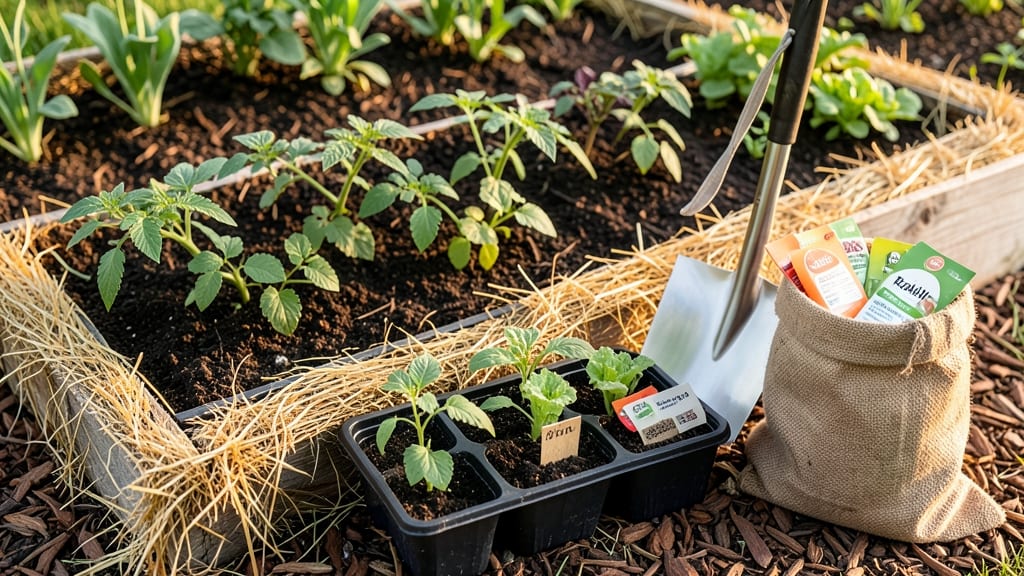
To plant a vegetable garden in North Carolina at the right time means catching the sweet spot between frost and heat—because getting it wrong can leave you with wilted seedlings or bolted greens.
North Carolina’s diverse climate—from coastal plains to mountain regions—means planting your vegetable garden at the wrong time can mean the difference between a bountiful harvest and wasted seeds. Timing isn’t just about the calendar; it’s about understanding NC’s frost dates, microclimates, and heat tolerance of your crops.
In Zone 6b-8a, your window for cool-season crops like broccoli and peas opens as early as February in the southern coast but waits until late March in the Piedmont.
Warm-season lovers such as tomatoes and peppers, meanwhile, need to wait until after the last frost—mid-April in Zone 6b or even May in cooler pockets.
Below, I break down the exact planting dates by zone, how to adjust for microclimates, and the fastest way to maximize your harvest before NC’s summer heat takes over.
NC planting zones & frost dates: the ultimate calendar for vegetable success
North Carolina spans USDA Zones 5A through 8A, creating dramatic differences in frost dates and growing seasons. Whether you're in the cool mountain regions or warm coastal plains, knowing your exact zone helps you time plantings for maximum success.
The last spring frost can arrive as early as February in Zone 8A or as late as April in Zone 5A—this variation means your planting schedule should adapt accordingly.
For cool-season crops like lettuce, spinach, and peas, start seeds indoors 4-6 weeks before your last frost date or sow directly 2-4 weeks before. Meanwhile, warm-season crops such as tomatoes, peppers, and cucumbers need soil temperatures above 60°F and should only go in after your last frost date.
Let’s break down what this means for each zone.
| Zone | Last Frost Date | First Frost Date | Cool-Season Planting | Warm-Season Planting |
|---|---|---|---|---|
| 5A (Mountains) | April 15 | October 30 | Start indoors Feb 15 | After May 1 |
| 6A (Piedmont) | March 30 | November 5 | Start indoors Feb 28 | After April 15 |
| 6B (Coastal) | March 15 | November 15 | Start indoors Feb 1 | After April 1 |
| 7A (Central) | February 15 | November 1 | Start indoors Jan 15 | After March 15 |
| 7B (Coastal) | February 1 | October 31 | Start indoors Jan 1 | After March 1 |
| 8A (Coastal) | January 15 | October 15 | Start indoors Dec 15 | After February 15 |
In Zone 5A, where frosts linger into April, gardeners often use row covers to extend early planting. Meanwhile, in Zone 8A, you can grow year-round greens like kale and collards with minimal frost risk.
For tomatoes and peppers, wait until soil temperatures hit 65°F—use a soil thermometer to avoid stunted growth. In Zone 6B and 7A, these crops thrive when planted after April 15.
For succession planting, plan to sow leafy greens every 2 weeks from spring to fall. In Zone 7B and 8A, you can even plant a fall garden in August for harvests before the first frost.
Use heat-tolerant varieties like Malabar spinach or Swiss chard to push your growing season further.
Check your local Extension Service for microclimate adjustments—urban areas may be 2-3°F warmer than rural zones. For example, Raleigh (Zone 7B) often sees earlier last frosts than nearby mountain towns. Adjust your schedule by 1-2 weeks based on your specific location’s history.
If you’re unsure about your zone, use the USDA Plant Hardiness Zone Map or ask your local nursery for guidance. They’ll know the frost patterns and soil conditions specific to your area. For instance, Asheville’s Zone 6B has cooler nights than Charlotte’s Zone
How to extend your NC growing season for year-round harvests
North Carolina’s short growing season in zones 5A-7A can feel like a race against time, but with the right strategies, you can push your harvest windows and enjoy fresh produce for months longer. The key lies in protecting tender plants from early frosts and extending heat tolerance during summer’s peak.
Whether you’re growing cool-season greens in winter or heat-loving tomatoes in late summer, these techniques will help you maximize your garden’s potential.
One of the simplest yet most effective ways to extend your growing season is by using season extenders like cold frames and row covers. These tools create microclimates that trap heat or shield plants from frost, allowing you to plant earlier in spring or harvest later in fall.
For example, a low tunnel hoop house can add 2-4 weeks to your growing season, while floating row covers protect young seedlings from light frosts down to 25°F.
📌 5 Proven Techniques to Extend Your NC Growing Season
- 1. Cold Frames: Use unheated cold frames to grow spinach, kale, and lettuce through winter. They can raise soil temps by 10-15°F, allowing growth even in Zone 5A winters.
- 2. Row Covers: Lightweight floating fabric covers protect against light frost and pests while letting sunlight through. Ideal for early spring and late fall plantings.
- 3. Succession Planting: Stagger planting dates every 2 weeks for crops like bush beans, radishes, and carrots to ensure a continuous harvest.
- 4. Heat-Tolerant Varieties: Choose drought-resistant and heat-loving varieties like ‘Heatmaster’ tomatoes or ‘Malabar spinach’ for summer harvests.
- 5. Mulching: Apply straw or wood chips to insulate soil and retain moisture, keeping roots 5-10°F warmer in winter and cooler in summer.
Another game-changer is succession planting, a technique where you sow new seeds every 2-3 weeks instead of all at once. This ensures a steady supply of fresh produce and prevents gluts.
For instance, bush beans take about 60 days to mature—plant a new row every 2 weeks from May to July to enjoy beans until fall frost. Similarly, radishes mature in just 25-30 days, making them perfect for quick succession harvests.
For late-season harvests, focus on heat-tolerant varieties that thrive when temperatures rise. Crops like ‘Solar Fire’ peppers and ‘Black Krim’ tomatoes perform well in NC’s summer heat (90°F+). Pair these with drip irrigation to keep roots cool and mulch heavily to retain moisture.
In Zone 7A, you can often harvest tomatoes until early November with these strategies.
Don’t overlook winter gardening in NC! With a cold frame or high tunnel, you can grow hardy greens like kale, Swiss chard, and arugula from October to March. These crops not only tolerate frost but often taste sweeter after a light freeze.
Start seeds indoors in late summer and transplant into protected beds by mid-September for a winter harvest.
Finally, plan for microclimates in your garden. A south-facing slope warms up faster in spring, while a shady spot under trees stays cooler in summer. Use these natural advantages to extend planting windows for heat-sensitive crops like cucumbers or squash.
With these techniques, your NC garden can produce year-round—even in the shortest seasons!