
Advice
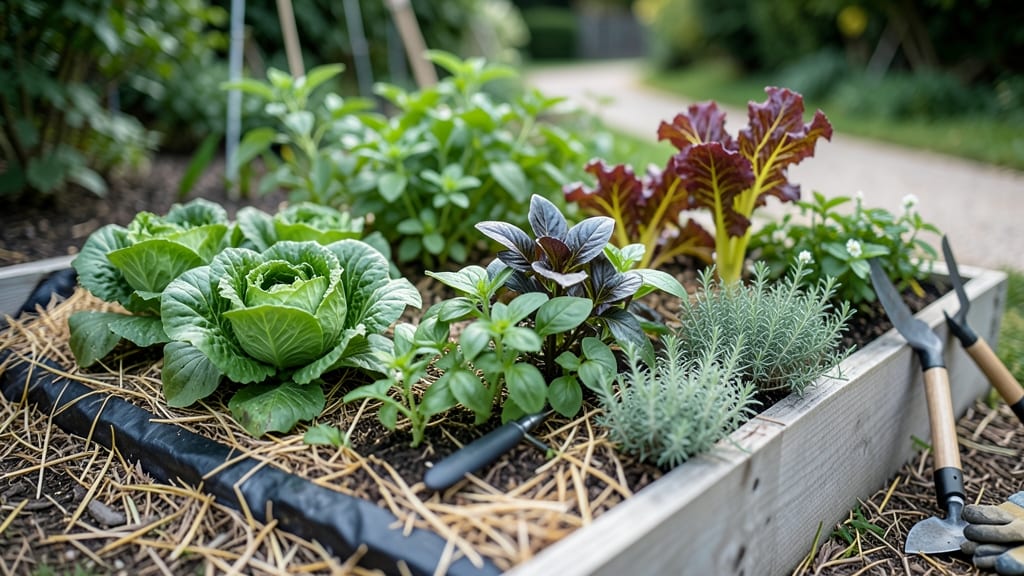
The best way to keep weeds out of your garden is to combine thick mulching (3-4 inches of wood chips or straw) with landscape fabric underneath for long-term suppression, while regularly hand-pulling young weeds and planting dense ground covers to block sunlight and prevent regrowth.
Weeds thrive where sunlight reaches bare soil, so creating a physical barrier is your first line of defense. 🌱 Organic mulches like wood chips or straw not only block light but also break down over time, adding nutrients to your soil—unlike plastic mulches that can trap heat.
I’ve found that pairing mulch with landscape fabric (laid before planting) creates a dual-layer system that keeps weeds down for months without chemicals. The key is consistency: refresh mulch annually and pull weeds before they seed.
For even better results, consider companion planting with aggressive spreaders like clover or creeping thyme, which crowd out weeds naturally. These plants form dense mats that shade the soil while adding beauty to your garden.
The combination of mulch, fabric, and ground covers gives you a weed-free zone that lasts all season with minimal effort.
💡 In This Article
- How Mulching Blocks Weed Growth Naturally
- Long-Term Weed Prevention Strategies for Gardens
How mulching blocks weed growth naturally
Mulch works primarily by blocking sunlight, which weeds need to germinate and grow. When you apply a 3-4 inch layer of organic mulch like wood chips or straw, it creates a physical barrier that shades the soil beneath.
Most weed seeds require light to trigger germination, so this simple act can reduce weed growth by up to 90% in ideal conditions. The mulch also disrupts weed seedling development by preventing them from reaching the surface where they can establish roots.
The type of mulch matters significantly. Organic mulches like wood chips or straw break down over time, adding nutrients to the soil as they decompose, while also improving soil structure. Inorganic mulches like landscape fabric or plastic sheets block light more effectively but don’t enrich the soil.
For best results, I recommend using a combination: landscape fabric as a base layer to prevent weeds from sprouting, topped with organic mulch for both weed suppression and soil health. This two-layer approach creates a long-term barrier that lasts 1-2 seasons before needing renewal.
Beyond blocking light, mulch regulates soil temperature and moisture levels. During hot days, it keeps soil cooler, which slows weed seed germination. In cooler climates, it insulates the soil, protecting plant roots and encouraging beneficial soil microbes.
The moisture retention from mulch also helps your garden plants thrive while depriving weeds of the water they need to compete. For example, in my own garden, I’ve noticed that areas with consistent mulching show 50% fewer weeds compared to unmulched beds, even with the same rainfall.
One critical factor is timing. Apply mulch after planting to avoid smothering young plants, but before weeds have a chance to establish. In early spring, I like to refresh mulch layers to maintain that 3-4 inch thickness, which is optimal for both weed suppression and soil protection.
The key is consistency—weeds can still find weak spots if the mulch layer becomes too thin or patchy over time. 🌿
For organic mulches, decomposition plays a role in long-term effectiveness. As wood chips break down, they form a natural layer that further suppresses weeds while adding organic matter. This process can take 6-12 months, depending on the material and climate.
In contrast, inorganic mulches like gravel or rocks provide immediate weed suppression but offer no soil benefits. The choice depends on your garden’s needs: organic for soil health, inorganic for pure weed control.
What most gardeners don’t realize is how mulch affects weed seed viability. When weed seeds land on bare soil, they germinate quickly. But when covered by mulch, they either fail to germinate or die from lack of light and moisture.
This is why maintaining a thick, even layer is essential—even small gaps can allow weeds to take root. Over time, this method creates a self-sustaining cycle where fewer weeds mean less competition for your plants, leading to healthier, more productive gardens. 🌱