
How To
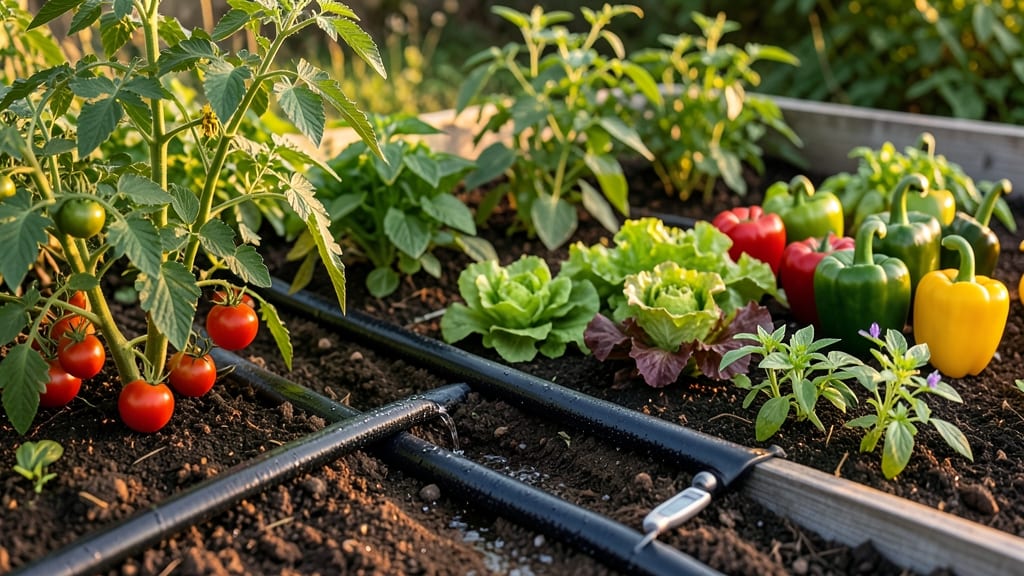
Leaving your soaker hose on your vegetable garden 🥬 for the right amount of time keeps roots happy without drowning them—and the answer depends more on soil than on a fixed timer.
Struggling to balance overwatering and underwatering your vegetable garden? Leaving your soaker hose running too long or too short can stress your plants—and even kill them. The key lies in a simple moisture check method that saves time, water, and your harvest.
Most gardens need 1 to 1.5 inches of water per week, but sandy soil drains faster than clay, and a heatwave changes everything. Below, I’ll walk you through how to adjust runtime by plant type, soil, and weather—plus the tools that take the guesswork out of it.
You’ll learn the 3-step moisture test that tells you exactly when to turn off the hose, how to spot overwatering before it’s too late, and the one mistake that wastes gallons of water every season.
Optimal soaker hose runtime by plant type and soil conditions
Determining how long to leave your soaker hose running depends on two critical factors: your plant types and soil conditions. Leafy greens like lettuce and spinach need frequent, shallow watering, while root crops such as carrots and potatoes prefer deep, infrequent soaking.
Meanwhile, your soil type—whether sandy, clay, or loamy—dictates how quickly water drains or pools. Ignoring these variables can lead to root rot or stunted growth.
For example, sandy soil drains water rapidly, meaning you’ll need to run your soaker hose for 30-45 minutes to saturate the root zone, while clay soil holds moisture longer, requiring only 15-30 minutes unless it’s extremely dry. Loamy soil, the Goldilocks of gardening, typically needs 20-30 minutes of soaker hose time.
Adjust these runtimes based on weather conditions, especially during heatwaves or droughts.
Leafy greens like kale, Swiss chard, and arugula thrive with daily watering for 15-25 minutes in most soils, as their shallow roots need consistent moisture. In contrast, root crops such as beets, radishes, and turnips benefit from deep watering every 2-3 days for 30-45 minutes to encourage root development. Fruiting plants like tomatoes and peppers also prefer deep watering but may need 30-60 minutes during peak summer heat to prevent blossom-end rot.
| Plant Type | Soil Type | Runtime (Minutes) | Frequency | Adjustments |
|---|---|---|---|---|
| Leafy Greens (Lettuce, Spinach, Kale) | Sandy | 15-25 | Daily | +10 mins in heat |
| Leafy Greens | Clay | 10-15 | Every 2 days | -5 mins if rain |
| Leafy Greens | Loamy | 15-20 | Daily | +5 mins in drought |
| Root Crops (Carrots, Beets, Radishes) | Sandy | 30-45 | Every 2-3 days | +15 mins in extreme heat |
| Root Crops | Clay | 20-30 | Every 3 days | -10 mins if soggy |
| Fruiting Plants (Tomatoes, Peppers, Cucumbers) | Sandy | 45-60 | Every 2 days | +20 mins in 90°F+ |
| Fruiting Plants | Loamy | 30-45 | Every 2-3 days | +10 mins in drought |
Extreme weather demands extra attention. During heatwaves, increase your soaker hose runtime by 20-30% to compensate for rapid evaporation, especially for fruiting plants like tomatoes and peppers. Conversely, during
The 3-Step moisture check method to avoid overwatering
Overwatering your vegetable garden is one of the fastest ways to kill your plants—yet many gardeners struggle to find the perfect balance. A soaker hose is a game-changer for deep, even watering, but knowing when to turn it off is just as critical as when to turn it on.
My foolproof 3-step moisture check method ensures your plants get the right amount of water without wasting a drop.
Start by understanding your soil type. Sandy soil drains quickly, while clay holds moisture longer. Loamy soil—ideal for most vegetables—strikes a balance. Before watering, check your current soil moisture at different depths to avoid over-saturating shallow roots or leaving deeper roots thirsty.
- 1
- 2
- 3
Stick your index finger 1-2 inches into the soil. If it feels dry and crumbly, your plants need water. If it’s cool and damp, hold off on watering. This checks the topsoil layer where most roots of young plants thrive.
Use a small hand trowel to dig down 2-4 inches. Lift a clump of soil—if it falls apart easily, your hose has done its job. If it stays clumped and sticky, your hose needs more time (or less frequent use). This tests the root zone for mature plants.
For deep-rooted crops like tomatoes or peppers, use a moisture meter at 4-6 inches. Readings below 40% moisture mean your hose needs 10-15 more minutes. Above 60% moisture signals overwatering. This ensures root health at all levels.
Pro tip: Pair this method with a timer on your soaker hose. Start with 15-30 minutes for most vegetable gardens, then adjust based on your moisture checks. Leafy greens like lettuce need shorter runtimes, while root crops like carrots benefit from longer, deeper watering.
Watch for visual cues too. Yellowing leaves or wilting can signal underwatering, while mushy stems or fungal spots on leaves mean you’ve overdone it. Your plants will thank you for this precise approach—no guesswork, just healthy roots and bountiful harvests.
Remember, morning watering is best to reduce evaporation and fungal risks. Combine these steps with your soaker hose schedule, and you’ll master the art of watering like a pro. Happy gardening!