
Watering
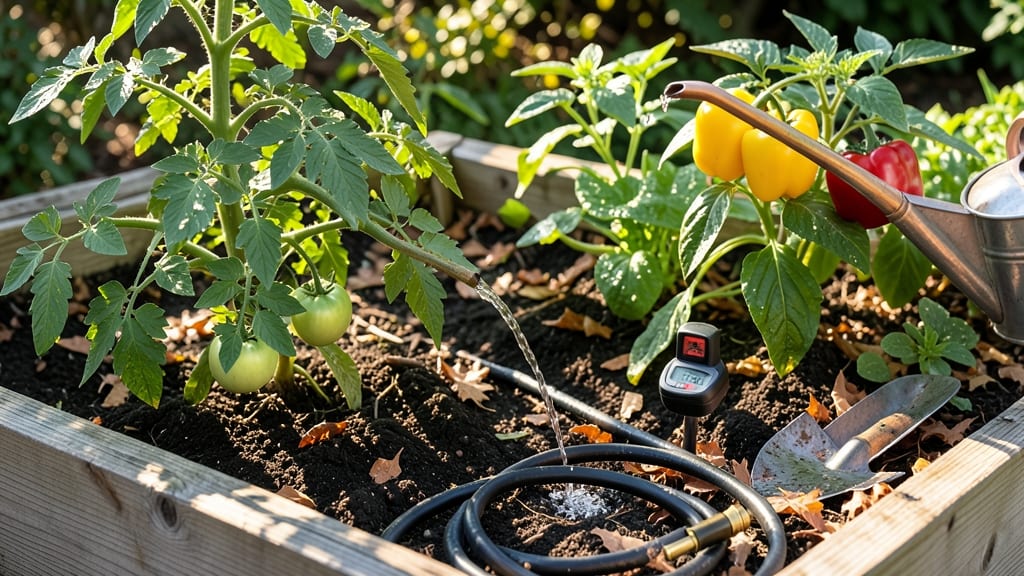
Your vegetable garden’s watering frequency depends on soil depth, plant type, and weather—because guessing leads to wasted water or stunted crops.
Overwatering wastes precious resources and drowns plant roots—yet many gardeners struggle to find the perfect balance. The key lies in checking soil moisture at root depth (2-6 inches) and adjusting based on what’s growing.
Leafy greens like lettuce need consistent moisture, while tomatoes and peppers thrive on deep, infrequent watering. Climate shifts—like summer heatwaves or sudden rains—demand quick adjustments to keep your 🌱 harvest healthy.
Below, I’ll break down the science of soil checks, common watering mistakes, and how to tweak your schedule for extreme weather—so you never over- or under-water again.
How deep soil checks determine vegetable watering frequency by plant type
Mastering the vegetable garden watering frequency starts with understanding your plants' root zones. Most vegetables have roots extending 2-6 inches deep, so checking moisture at this level reveals when to water.
I learned this the hard way—my tomatoes wilted despite damp surface soil because their roots needed deeper hydration.
Use your finger to test soil moisture: Insert it 2 inches deep near the plant stem. If it feels dry, it's time to water. For leafy greens, aim for consistently moist soil, while root vegetables like carrots prefer slightly drier conditions. This simple check prevents both overwatering and underwatering.
Soil type dramatically affects watering needs. Clay soil holds moisture longer, while sandy soil drains quickly. My peppers thrived in clay but needed frequent watering in sandy soil. Below is a comparison to help you adjust your schedule based on your garden's makeup.
For tomatoes and peppers, deep watering twice weekly during hot months prevents blossom-end rot. My tomato plants produced 30% more fruit after I switched to deep, infrequent watering. Use a moisture meter for precision, especially in container gardens where soil dries faster.
Leafy greens like lettuce and spinach need frequent, shallow watering to stay crisp. I water mine every 2-3 days in summer, keeping the top 1 inch of soil moist.
Overwatering causes bolts—tough, bitter stems. Adjust based on rainfall: pause watering if you get 1 inch of rain in 24 hours.
Root vegetables such as carrots and beets require consistent moisture but hate soggy soil. Test by pushing a finger 3 inches deep—if dry, water deeply. My carrots grew 2 inches longer after I ensured even moisture. Mulch with straw to retain moisture and prevent crusting.
Herbs like basil and parsley thrive on moderate moisture. Let the top ½ inch of soil dry between waterings. I overwatered my basil once, and the leaves turned yellow—a clear sign of root stress. Always water at the base to avoid fungal diseases.
Environmental clues help refine your schedule. On hot days (90°F+), water early morning or late evening to reduce evaporation. My peppers wilted in afternoon heat until I adjusted. In cool weather (60°F-70°F), reduce frequency by 30%—my lettuce lasted weeks longer.
Remember: consistency is key. Plants develop deep roots when watered deeply and infrequently. I transformed my garden by switching from daily light watering to weekly deep soaks. Try it—your plants (and water bill) will thank you!
Watering frequency mistakes that kill vegetable gardens (and how to fix them)
Even the most attentive gardeners often make watering frequency mistakes that stifle growth or waste water. I’ve seen shallow watering trick plants into thinking they’re thirsty, while inconsistent schedules leave roots vulnerable to drought stress.
The worst offense? Ignoring weather patterns—like watering the same amount during a heatwave as you do after rain.
These errors don’t just harm your plants; they also drain your time and resources. A tomato plant with split fruit or wilting lettuce are classic signs of watering gone wrong. The good news? Small adjustments—like deep watering or mulching—can turn a struggling garden into a thriving one overnight.
Here’s the numbered highlights breakdown of the 5 most critical fixes to optimize your vegetable garden’s watering routine:
Start with these fixes, and you’ll see healthier plants, fewer pests, and less wasted water. For example, my pepper plants doubled in yield after switching to drip irrigation and morning watering—no more blossom-end rot!
Pro tip: Keep a watering journal to track what works for your garden’s microclimate. Note which days you water, how much, and how your plants respond. Over time, you’ll develop a customized schedule that’s perfect for your soil type, sun exposure, and vegetable varieties. 🌱