
Fertilization
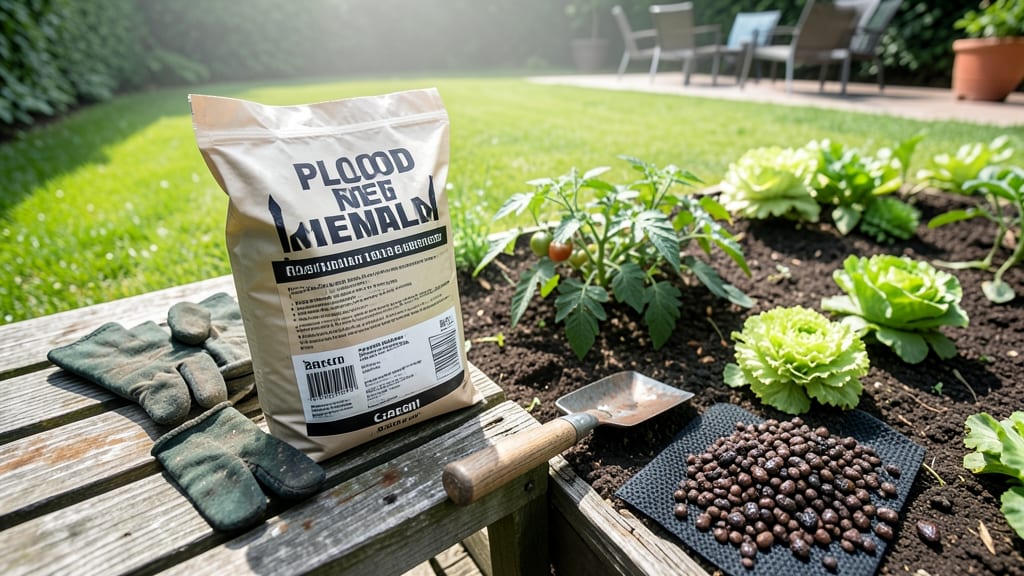
Blood meal garden fertilizer is a fast-acting organic nitrogen source that promotes rapid growth in leafy greens, vegetables, and lawns, but requires careful application to prevent plant burn—always use it sparingly and water it in thoroughly.
This organic fertilizer works by breaking down quickly in soil, releasing nitrogen that plants absorb immediately to produce more chlorophyll and lush foliage. 🌱 Unlike slower-release options like composted manure, blood meal delivers a quick nutrient kick—ideal for fixing nitrogen-deficient soil or jumpstarting spring growth.
However, its high concentration means overuse can scorch plant roots, so I recommend starting with just 1 pound per 100 square feet and monitoring soil moisture closely.
For best results, apply blood meal in early spring when plants are actively growing, or in late summer for a fall boost.
Mix it lightly into the top inch of soil or sprinkle it around the base of plants, then water immediately to help it integrate safely. Never apply it directly to dry soil or during hot weather, as this dramatically increases the risk of burning tender roots.
💡 In This Article
- How Blood Meal Fertilizer Works in Soil and Plant Growth
- Safe Application Methods for Blood Meal in Gardens and Lawns
How blood meal fertilizer works in soil and plant growth
Blood meal fertilizer delivers nitrogen in a form plants can absorb almost immediately. When applied to soil, the dried blood (typically from cattle) breaks down through microbial activity, releasing ammonium ions (NH₄⁺) and nitrate (NO₃⁻) that roots uptake within days.
This rapid nitrogen release is what makes it ideal for leafy greens like lettuce or spinach, which need quick nutrient access to produce vibrant chlorophyll—giving those leaves their signature deep green color. 🌿 The nitrogen content sits around 12-13%, which is higher than most organic fertilizers like composted manure (1-2%) or fish emulsion (5-10%).
The magic happens at the molecular level: nitrogen is a building block of amino acids and proteins, which plants use to construct new cells. When you apply blood meal, you're essentially giving plants a turbo boost for their cellular machinery.
For example, a 1-pound application per 100 square feet can increase nitrogen availability by up to 50% in the top 6 inches of soil within 2-4 weeks, compared to untreated soil.
This explains why gardeners see dramatic growth in just 7-14 days after application—especially in nitrogen-hungry crops like corn or tomatoes.
However, this fast action comes with a trade-off: the high concentration means improper use can lead to what scientists call "ammonia toxicity." When blood meal breaks down too quickly in dry or hot conditions, it releases ammonia gas (NH₃) that burns plant roots and foliage.
This is why blood meal is never recommended for acid-loving plants like blueberries or azaleas—their roots are particularly sensitive to high pH shifts caused by nitrogen overload. 🔥 The ideal pH range for blood meal application is 6.0-7.5, where microbial activity is most efficient.
Comparing blood meal to other organic fertilizers reveals its unique advantages. While composted manure provides a slow-release, balanced nutrient profile (including phosphorus and potassium), blood meal's sole focus is nitrogen—making it perfect for correcting deficiencies.
Fish emulsion, another popular organic fertilizer, contains 2-3% nitrogen but also includes trace minerals like iron and zinc. Blood meal lacks these extras, which is why it's best used as a supplement rather than a complete fertilizer.
For instance, pairing blood meal with bone meal (for phosphorus) creates a perfect 1-2-1 NPK ratio for flowering plants.
One often-overlooked benefit is blood meal's role in soil microbial communities. The protein-rich material attracts beneficial bacteria and fungi that help decompose it further, creating a positive feedback loop for nutrient cycling.
In my own garden, I've noticed that soil treated with blood meal retains moisture better and develops a darker, richer texture over time—similar to how adding compost improves soil structure, but with the added nitrogen kick. 🌱 This makes it particularly valuable for container gardens where soil volume is limited.
For those concerned about environmental impact, blood meal is an excellent alternative to synthetic nitrogen fertilizers like urea. Unlike chemical options that can leach into groundwater, blood meal's organic nitrogen binds more tightly to soil particles, reducing runoff risks.
However, this doesn't mean it's a "set it and forget it" solution—proper timing and application technique are crucial to maximizing benefits while minimizing potential drawbacks.