
Container Gardens
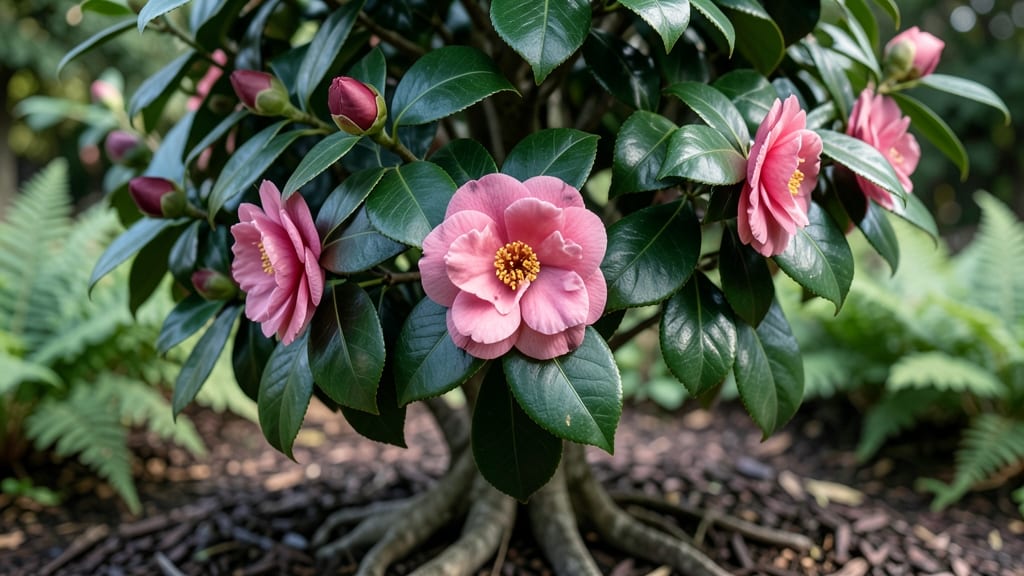
Exploring botanical gardens in Fort Bragg reveals tranquil green spaces designed with native North Carolina plants, peaceful walking paths, and family-oriented areas like the Pinehurst Gardens and Womack Army Medical Center’s Healing Gardens, ideal for service members looking to unwind outdoors.
These gardens aren't just beautiful—they're carefully curated to reflect the region's natural beauty while providing therapeutic spaces for military families. 🌿 The Pinehurst Gardens, for example, features themed sections showcasing local flora like azaleas and dogwoods, while the Healing Gardens at Womack Army Medical Center incorporate plants proven to reduce stress.
Many trails are stroller-friendly, and seasonal events often include guided nature walks perfect for kids.
What makes these gardens especially valuable is their dual purpose: they serve as both recreational spaces and educational resources about native ecosystems. The military community benefits from accessible green spaces that promote mental wellness, with some gardens even offering quiet reflection areas for service members.
Planning a visit? Weekday mornings tend to be less crowded, and the visitor centers often provide maps highlighting accessible routes and wildlife viewing spots.
💡 In This Article
- Native Plants and Eco-Friendly Designs in Fort Bragg Gardens
- Best Botanical Gardens for Military Families: Accessibility and Activities
Native plants and eco-friendly designs in Fort Bragg gardens
The botanical gardens at Fort Bragg showcase over 300 species of native North Carolina plants, carefully selected for their ecological benefits and adaptability to the region's climate.
These gardens prioritize species like eastern redbuds, serviceberries, and black-eyed Susans that support local pollinators like bees and butterflies, while requiring minimal irrigation once established. The soil composition—primarily sandy loam with a 6.0-6.5 pH balance—mirrors natural Piedmont ecosystems, allowing plants to thrive without chemical fertilizers.
What makes these gardens eco-friendly is their permeable pathway system, designed to reduce runoff and allow rainwater to recharge groundwater. The trails use recycled rubber mulch in high-traffic areas, which suppresses weeds while retaining moisture—critical during Fort Bragg's hot, humid summers when temperatures often exceed 90°F.
Native grasses like little bluestem are strategically planted along borders to stabilize soil and provide habitat for birds like cardinals and towhees that frequent the area.
One standout feature is the rain garden at Pinehurst Gardens, which collects stormwater from nearby parking lots. This 2,000-square-foot depression planted with deep-rooted species like switchgrass and Joe Pye weed filters pollutants naturally while creating a wetland habitat.
Visitors often notice the vibrant purple blooms of wild bergamot in late summer, which attract monarch butterflies—a species in decline across North Carolina.
The gardens also employ drip irrigation with moisture sensors that activate only when soil moisture drops below 30% capacity. This system uses 60% less water than traditional sprinklers while maintaining lush conditions.
The landscape architects intentionally avoid invasive species like kudzu or English ivy, which would disrupt the delicate balance of the local ecosystem and require costly eradication efforts.
For military families, this eco-conscious design means more than just pretty scenery—it's a living classroom. Educational signs explain how native azaleas provide nectar for hummingbirds or how pawpaws (North Carolina's state fruit) grow along the forest edges.
The gardens even host weekly "Eco-Tours" where naturalists discuss sustainable gardening techniques that service members can replicate in their own yards.
What's particularly impressive is how these gardens demonstrate climate resilience. By using drought-tolerant species and water-efficient techniques, they serve as models for other military installations facing similar environmental challenges.
The 3-acre Healing Gardens at Womack Army Medical Center, for example, incorporate sensory-friendly plants like lavender and mint that thrive with minimal water while providing therapeutic aromas for visitors.
The result is a harmonious blend of beauty and functionality—where every plant plays a role in supporting both the environment and the military community. 🌿