
Container Gardens
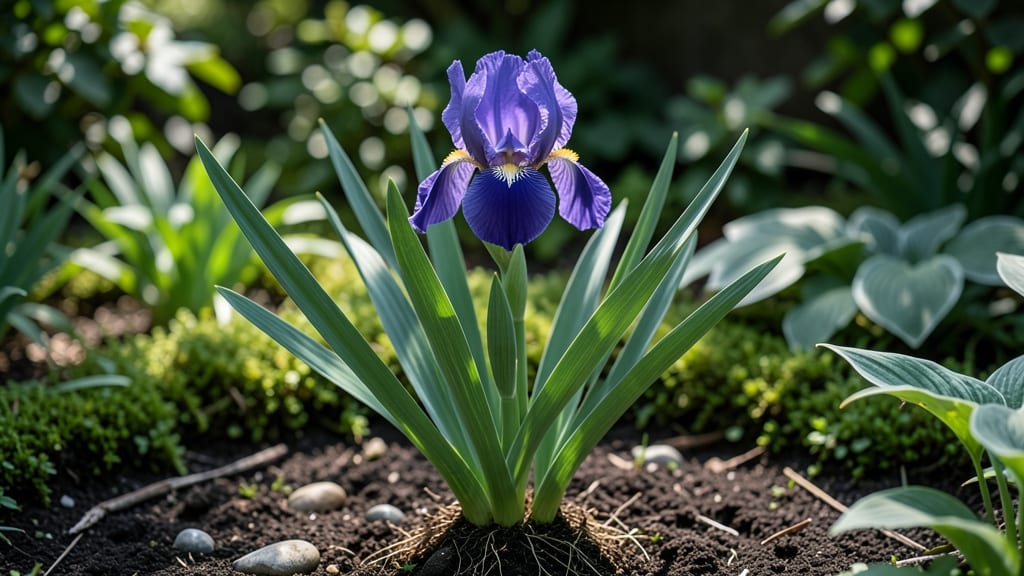
The Portsmouth Athenaeum Botanical Gardens in Portsmouth, NH, feature stunning seasonal displays, rare orchids, and native New England plants across 12 acres of thoughtfully designed gardens and greenhouses. Year-round access includes themed gardens, educational exhibits, and hands-on activities like plant workshops and guided nature walks.
The Portsmouth Athenaeum Botanical Gardens stand out as New England's premier plant sanctuary, blending horticultural expertise with community engagement. 🌿 Their year-round operations—from vibrant spring tulip displays to winter evergreen collections—demonstrate how to adapt plantings to Portsmouth's coastal climate.
The greenhouse collections, including endangered orchids and carnivorous plants, offer rare specimens you won't find in typical retail nurseries. What's particularly special is their conservation focus, where visitors can learn about native species preservation while enjoying the gardens' tranquil beauty.
Whether you're a plant enthusiast or casual visitor, the gardens provide educational value through their workshops and guided tours. These programs often feature local horticulturists sharing propagation techniques and sustainable gardening practices that you can apply to your own yard.
The themed garden sections—like the pollinator garden and native woodland area—serve as living classrooms demonstrating ecological relationships in action.
💡 In This Article
- Seasonal Garden Transformations in Portsmouth’s Botanical Gardens
- Rare and Native Plants to Spot in Portsmouth’s Botanical Gardens
Seasonal garden transformations in Portsmouth’s botanical gardens
The Portsmouth Athenaeum Botanical Gardens transform each season through strategic plant selection and horticultural techniques tailored to New England's maritime climate. In spring, they showcase 30+ varieties of tulips and daffodils, carefully chosen for their ability to bloom reliably after winter's chill.
The gardens use a technique called "spring forcing" where dormant bulbs are exposed to 40-50°F temperatures for 8-10 weeks before planting to ensure synchronized blooms. 🌷 This creates the iconic sea of color that attracts pollinators within 2-3 weeks of opening day.
Summer displays focus on pollinator gardens featuring native milkweed species and New England aster varieties, both critical for monarch butterfly migration. The gardens implement a "three-tiered planting" system: ground covers like creeping thyme, mid-height perennials such as coneflowers, and towering plants like Joe Pye weed.
This vertical structure maximizes nectar sources while providing shelter from Portsmouth's humidity levels often exceeding 75% during summer months. 🐝 The irrigation system uses drip lines timed to release water at dawn, reducing evaporation losses by 40% compared to overhead sprinklers.
Autumn transformations center around foliage with 15+ maple cultivars, including the rare 'Bloodgood' and 'Autumn Fantasy' varieties. The gardens employ a technique called "foliar feeding" where they apply diluted fish emulsion to leaves in late summer, boosting chlorophyll production for 2-3 weeks of extended color.
The acidic soil (pH 5.5-6.5) is carefully maintained to prevent nutrient lockout that could cause premature leaf drop. 🍂 Visitors often ask why some trees change color earlier than others—the answer lies in temperature fluctuations; leaves begin converting chlorophyll when nights drop below 50°F consistently for 5-7 days.
Winter displays feature evergreens that maintain their color through -10°F temperatures, including Japanese black pines and Inkberry holly. The greenhouse collections, maintained at 55-65°F with 60-70% humidity, showcase rare tropical orchids that would perish outdoors.
The gardens use a "microclimate layering" technique where different plant groups receive tailored care: tropicals get 12+ hours of artificial light, while cold-hardy plants receive dormant season chilling at 35-45°F for 6-8 weeks to prepare for spring growth. ❄️ This layered approach allows them to display plants from five different climate zones simultaneously.
What makes these seasonal transformations possible is the gardens' soil science program. They conduct monthly soil tests for nitrogen, phosphorus, and potassium levels, adjusting amendments based on seasonal needs. For example, spring bulbs require high phosphorus for root development, while summer perennials benefit from balanced NPK ratios.
The gardens also implement a compost tea program that introduces beneficial microbes to improve soil structure and disease resistance. 🌱 This scientific approach ensures each season's display thrives despite Portsmouth's challenging coastal climate.
The most impressive aspect is how they time these transformations to align with local ecological events. The spring bulbs bloom when honeybees emerge from hives, while summer pollinator gardens peak during monarch migration weeks (mid-July to early August).
Winter evergreen displays provide year-round food sources for wintering birds like goldfinches. This ecological synchronization creates a living calendar that educates visitors about New England's natural rhythms. 🌿