
Planting
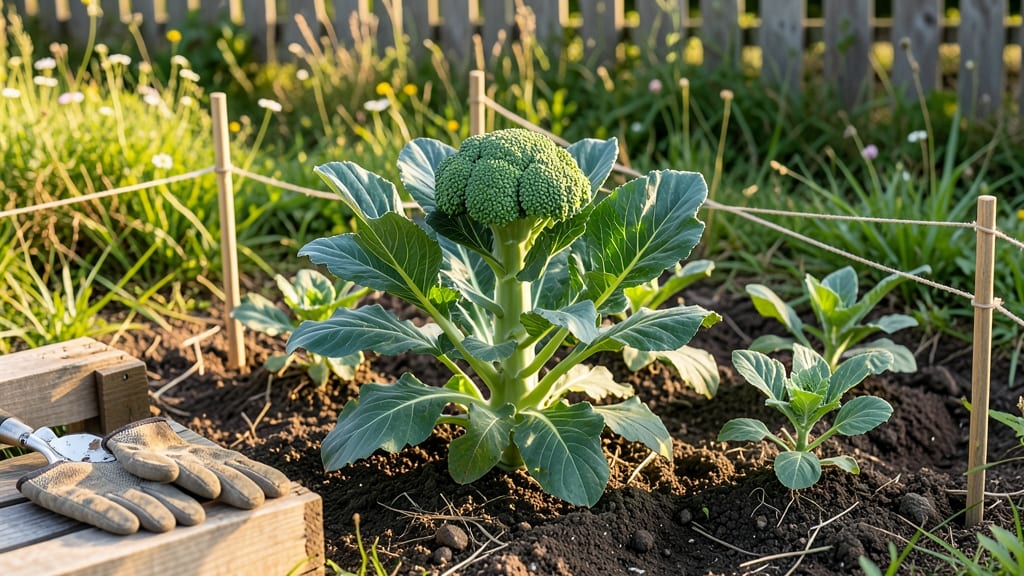
Growing broccoli in your garden starts with the right broccoli spacing in garden—too close, and you’ll smother your plants; too far apart, and you’ll waste precious space. I’ve seen gardeners pull out entire rows because they didn’t account for how much room those 🥦 heads need to thrive.
Proper spacing isn’t just about fitting more plants into a small area—it’s about giving each plant enough air circulation to fight disease, sunlight to develop those tight, flavorful heads, and room to grow strong roots.
Skip this step, and you’ll end up with stunted broccoli or a garden full of pests.
In this guide, I’ll break down the exact spacing you need for different broccoli varieties, whether you’re planting in rows, raised beds, or containers. You’ll learn how to adjust for your garden’s size, climate, and even companion plants to maximize your harvest.
Ready to stop guessing and start growing bigger, healthier broccoli? Let’s get into the details so you can plan your garden like a pro.
Optimal broccoli spacing by plant type: crowding vs. isolation
Getting the right broccoli spacing in garden is everything—whether you're growing head broccoli, sprouting broccoli, or calabrese varieties. Too close, and your plants will compete for nutrients, leading to small heads and pest infestations.
Too far apart, and you waste precious garden space. The key is balancing air circulation, sunlight exposure, and root growth for maximum yield.
Broccoli thrives when given room to stretch its leaves toward the sun. Overcrowding forces plants to fight for light, weakening their immune systems and making them vulnerable to fungal diseases like downy mildew.
Meanwhile, isolation ensures each plant gets the 6+ hours of sunlight it needs daily, preventing bolting (when plants flower prematurely). Let’s break down the ideal spacing for each variety and growing method.
| Variety | Plant-to-Plant Distance | Row Spacing | Best For |
|---|---|---|---|
| Head Broccoli (e.g., 'Green Magic', 'Waltham 29') | 18-24 inches | 24-36 inches | Traditional rows, raised beds |
| Sprouting Broccoli (e.g., 'Calabrese', 'Purple Sprouting') | 12-18 inches | 18-24 inches | Square-foot gardening, small spaces |
| Dwarf Varieties (e.g., 'Little Sprouting', 'Tasty Purple') | 12 inches | 18 inches | Containers, small gardens |
| Calabrese (e.g., 'Romanesco', 'Green Valiant') | 24-30 inches | 36 inches | Large gardens, full sun |
*Adjust spacing for container growing by reducing plant-to-plant distance by 25-30%.
For square-foot gardening, you can fit 4-9 broccoli plants per square foot, depending on the variety. Head broccoli needs the most space, while sprouting broccoli can handle closer quarters. In raised beds, stagger plants in a grid pattern to optimize sunlight and airflow.
If you’re growing in traditional rows, space plants 18-24 inches apart with 36 inches between rows for easy access and maintenance.
Why does row spacing matter? Broccoli plants develop large, broad leaves that shade the soil. Without proper row spacing, the center of your bed can become a dark, humid zone—perfect for slugs and fungal spores.
Aim for 36 inches between rows to allow sunlight to reach the soil surface, keeping it dry and reducing disease risk. In small gardens, consider trellising taller varieties like calabrese to save space while still giving them room to grow.
Overcrowding doesn’t just limit growth—it triggers bolting, where broccoli prematurely flowers and produces bitter, inedible heads. If you notice yellowing leaves or small, loose heads, your plants are likely stressed from competition. To fix this, thin seedlings to the recommended spacing as soon as they develop 2-3 true leaves. If you’ve already planted too closely, transplant some to a new location or harvest the smaller plants early.
In container growing, reduce spacing by 25-30% since pots limit root expansion. A 5-gallon container can comfortably hold 1-2 broccoli plants, while 10-gallon containers can fit 3-4. Use well-draining soil and fertile potting mix to compensate for the smaller root zone.
Remember, container-grown broccoli may produce smaller heads but can still yield delicious side shoots if cared for properly.
Proper broccoli spacing in garden also affects companion planting. Place onions, garlic, or lettuce between rows to deter pests like cabbage worms and aphids. Avoid planting broccoli near tomatoes or strawberries, as they compete for the same nutrients and can attract similar pests.
If you’re growing multiple broccoli varieties, space them evenly to prevent cross-pollination, which can affect flavor and texture.
One final tip: mulch around your broccoli plants to retain moisture and suppress weeds. Use straw or shredded leaves, keeping the mulch 2-3 inches away from the stems to prevent rot.
This simple step improves soil health and reduces the need for frequent watering, giving your plants more energy to produce large, healthy heads. With the right spacing, your broccoli will thrive—yielding plump crowns and abundant side shoots all season long.
How to arrange broccoli rows for sunlight and airflow: a visual guide
Arranging your broccoli rows for optimal sunlight and airflow is just as important as spacing. I’ve learned that even the most fertile soil won’t save a garden where plants are crowded into shady corners or packed too tightly.
The right layout ensures every plant gets its fair share of 6+ hours of sunlight and prevents humidity buildup that invites disease.
Start by planting your broccoli rows in a north-south orientation. This maximizes sunlight exposure throughout the day, especially in northern hemisphere gardens. If your garden runs east-west, rotate your rows so taller varieties like calabrese don’t shade smaller plants.
For small gardens, consider diagonal planting to fit more rows while maintaining sunlight access.
- 🌞 North-South Rows: Plant rows running north to south for even sunlight distribution. Ideal for large gardens with full sun exposure.
- 🌿 Companion Planting: Interplant onions, lettuce, or radishes between broccoli rows to deter pests and improve airflow. Avoid planting near tomatoes or cabbage.
- 🪴 Trellising Taller Varieties: Use trellises or stakes for calabrese broccoli to save space and improve airflow. Space trellises 3 feet apart in rows.
- 📏 Small Garden Adjustments: Reduce row spacing to 18 inches and plant in a staggered grid to fit more plants while maintaining airflow.
- ✂️ Prune Strategically: Remove lower leaves to improve airflow and sunlight penetration. Prune in the morning to allow foliage to dry quickly.
For large gardens, maintain 36-inch row spacing to allow easy access for weeding and harvesting. In small gardens, reduce row spacing to 18-24 inches and use a staggered layout to maximize space without sacrificing airflow.
If you’re growing taller varieties like calabrese, consider trellising to save space and improve airflow around the base of the plants.
Companion planting is another key strategy. Interplant onions, garlic, or lettuce between broccoli rows to deter pests like cabbage worms and aphids. These plants also improve airflow and can help shade the soil slightly, reducing moisture loss.
Avoid planting broccoli near tomatoes or strawberries, as they compete for nutrients and attract similar pests.
Finally, don’t forget to prune regularly. Remove yellow or diseased leaves immediately to prevent the spread of fungal infections. Prune in the morning so foliage has time to dry, reducing humidity around the plants.
This simple step can make a huge difference in plant health and harvest size.
With these strategies, your broccoli will thrive—producing large, healthy heads and abundant side shoots all season long. Proper row arrangement isn’t just about fitting more plants into your garden; it’s about creating an environment where each plant can reach its full potential. 🌱