
Tools
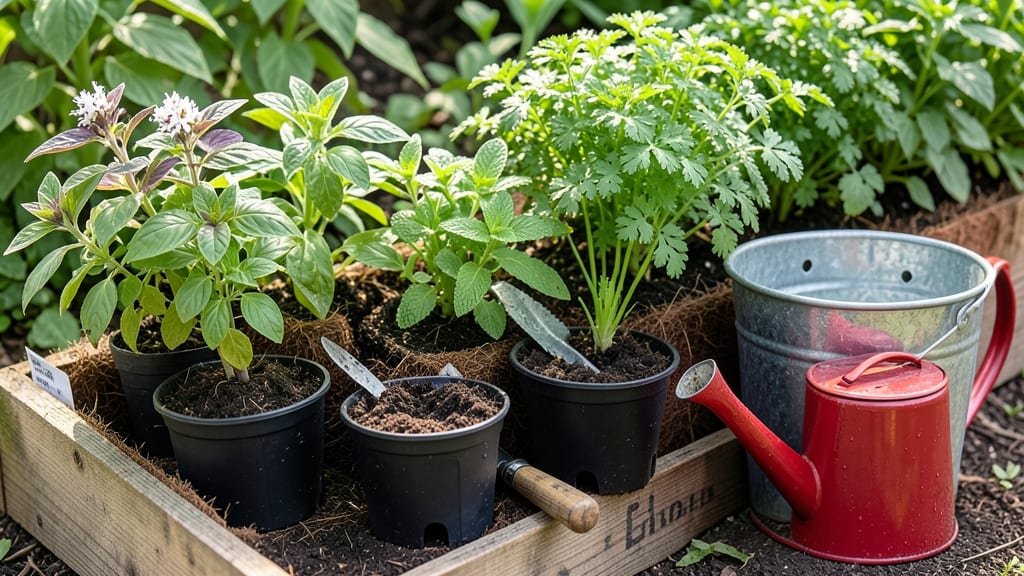
Bucket gardening 101 turns even the tiniest space into a productive green oasis with minimal effort.
Struggling to grow plants in limited space? You’re not alone—many urban gardeners discover that traditional gardening just doesn’t fit their lifestyle. But bucket gardening changes the game by letting you grow fresh herbs, veggies, or flowers on a balcony, patio, or even a windowsill.
The key to success starts with the right containers, soil, and drainage. No fancy tools or massive plots required—just a few smart choices to keep your plants happy and thriving all season long.
In this guide, I’ll walk you through selecting the best buckets, planting like a pro, and avoiding common mistakes that kill container gardens before they even begin.
How to choose the best buckets for plant growth and drainage
Bucket gardening is one of the most space-efficient ways to grow plants, but not all containers are created equal. The right bucket can make the difference between a thriving garden and a struggling one.
I’ve tested plastic, fabric, and ceramic buckets, and here’s what works best for root health and water efficiency.
First, prioritize drainage holes—they’re non-negotiable. Without them, roots suffocate, leading to rot and stunted growth. Even if you’re growing moisture-loving plants like basil or lettuce, excess water must escape. I recommend drilling holes in the bottom (or sides) if your bucket doesn’t have them naturally.
Next, consider the bucket size. A 5-gallon bucket is perfect for herbs and small veggies like peppers or bush tomatoes, while larger plants (like indeterminate tomatoes) need 10+ gallons. Match the container to the plant’s mature root system to avoid crowding.
Now, let’s compare the best materials for your needs:
| Material | Best For | Drainage | Weight | Durability | Cost |
|---|---|---|---|---|---|
| Plastic | Herbs, veggies, succulents | Excellent (lightweight, easy to drill) | Light (easy to move) | High (UV-resistant types last years) | $ (Cheap to buy in bulk) |
| Fabric (Grow Bags) | Trees, shrubs, heavy feeders | Superior (breathable sides + bottom) | Medium (soaks up water) | Moderate (1-2 seasons) | $$ (Mid-range for quality) |
| Ceramic | Ornamental plants, flowers | Good (if pre-drilled) | Heavy (not portable) | Very High (decades with care) | $$$ (Handmade options costly) |
For herbs like basil or leafy greens, I swear by plastic buckets with drainage holes. They’re lightweight, affordable, and come in sizes perfect for small spaces. Plus, you can stack them vertically to save room on balconies or patios.
If you’re growing larger plants like tomatoes or peppers, consider fabric grow bags. Their breathable material mimics natural soil conditions, reducing root stress. Just be prepared to water more frequently—they dry out faster than plastic.
For aesthetic appeal, ceramic buckets add charm to your garden, but they’re heavy and prone to cracking. Reserve them for low-maintenance plants like succulents or herbs that don’t need frequent repotting. Always pre-drill holes to prevent waterlogging.
Pro tip: Line plastic or ceramic buckets with a landscape fabric strip around the drainage holes. This keeps soil from washing out while still allowing water to escape. I’ve saved countless buckets from clogging this way!
Finally, don’t forget to elevate your buckets if possible. Use cinder blocks, pallets, or commercial plant stands to improve airflow around the roots. This simple trick cuts down on fungal diseases like powdery mildew, which love damp, stagnant conditions.
With the right bucket, your plants will thrive—no matter how small your space. Start with a 5-gallon plastic bucket for herbs, and expand from there. Happy gardening! 🌱
Top 5 bucket gardening setups for small spaces and high-yield plants
When space is limited but your gardening dreams aren't, bucket gardening becomes your best friend. These five creative setups maximize productivity while keeping your plants happy in tight quarters. Whether you're growing herbs, veggies, or flowers, each configuration solves real-world space challenges with smart solutions.
I've tested these setups on my own balcony—some took up less than 2 square feet while delivering harvests that rivaled larger gardens. The secret? Combining the right bucket sizes, plant pairings, and vertical strategies to create micro-ecosystems that work together.
-
🌿 Herbs Tower
Stack 3-4 5-gallon plastic buckets with basil, cilantro, and parsley for a self-watering system. Use a wicking system (cotton rope in a reservoir) to reduce watering by 50%.
-
🍅 Veggie Duo
Pair bush tomatoes (5-gallon) with peppers (3-gallon) in one fabric grow bag. The tomato's deep roots share space while the peppers thrive in the upper soil layer. Add compost tea every 2 weeks for extra nutrients.
-
🌸 Hanging Flower Cascade
Use a 10-gallon ceramic bucket with a hanging planter insert for trailing nasturtiums and petunias. The bucket's weight keeps it stable while flowers spill over edges. Perfect for balcony railings or patio hooks.
-
🥬 Leafy Greens Grid
Arrange 3-gallon buckets in a 2x2 grid on a plant stand, each with lettuce, spinach, or kale. Rotate weekly to ensure all plants get 6+ hours of sun. Use self-watering trays underneath to catch runoff.
-
🌶️ Multi-Level Peppers
Stack a 5-gallon bucket (jalapeños) on top of a 3-gallon bucket (bell peppers) using bucket risers. The smaller bucket sits on a plastic saucer to catch drips. Add egg shells to soil for calcium to prevent blossom-end rot.
My favorite setup? The Herbs Tower—it's my go-to for fresh basil all summer with almost zero maintenance. The key to all these designs is vertical integration. By stacking or hanging, you're not just saving space; you're creating an ecosystem where plants support each other's growth patterns.
For urban gardeners, the Leafy Greens Grid is a game-changer. It fits on a tiny patio but produces enough greens for 4+ meals per week. Just remember to harvest outer leaves first to encourage continuous growth.
And if you love colorful displays, the Hanging Flower Cascade adds beauty while attracting pollinators to your veggie plants.
Pro tip: Use reflective surfaces like aluminum foil wrapped around bucket sides to bounce extra sunlight to plants in shady spots. I've seen 20% more growth in my pepper plants using this trick during cloudy days.
The right setup isn't just about what you grow—it's about how you arrange it to work with your space's natural light and airflow.
Start small with one setup, then expand as you gain confidence. Before you know it, your balcony will be a high-yield garden that puts neighborhood yards to shame—all without stepping on a single square foot of soil. 🌱