
Fertilization
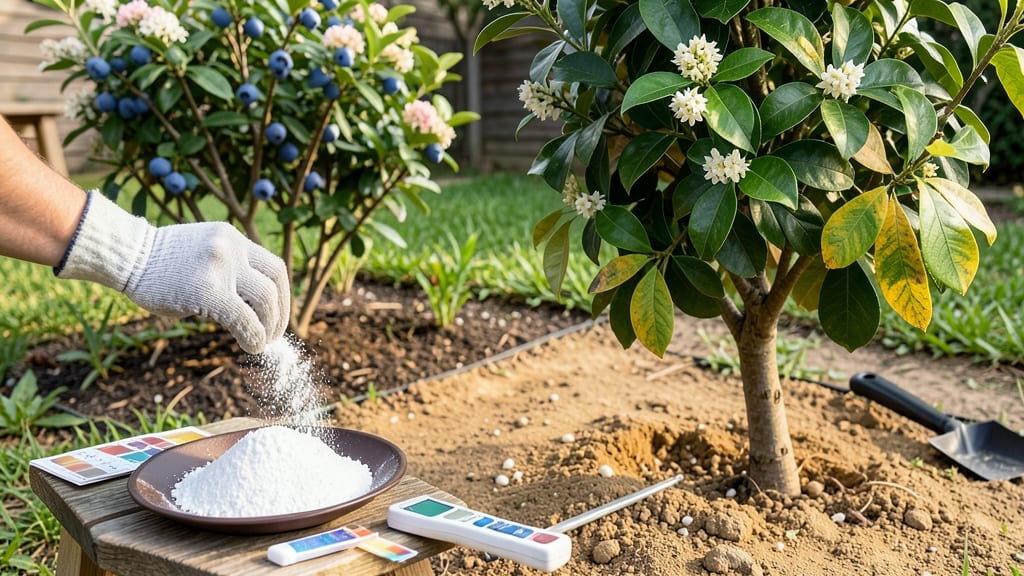
Using calcium carbonate in gardening helps balance soil acidity by increasing pH levels, which creates optimal growing conditions for acid-sensitive plants like blueberries or roses. Spread crushed limestone or agricultural lime evenly over garden beds for gradual soil adjustment.
Calcium carbonate works by reacting with acidic compounds in soil, effectively neutralizing excess hydrogen ions (H+).
This chemical process gradually raises the pH, transforming overly acidic soil into a more neutral or slightly alkaline environment. 🌱 For best results, test your soil's pH before application—most garden plants thrive between 6.0 and 7.0, while acid-lovers like hydrangeas prefer 5.0-5.5.
The granular form (like limestone) breaks down slowly, providing long-term benefits, while powdered versions act faster but may require more frequent reapplication.
When applying, aim for 2-5 pounds per 100 square feet depending on your soil's current pH level. Spring or early fall are ideal times to amend soil, allowing the amendment to integrate before planting season.
Always work the material into the top 6 inches of soil using a rake or tiller for even distribution. For container plants, mix calcium carbonate directly into the potting soil at planting time.
💡 In This Article
- How Calcium Carbonate Adjusts Soil pH Chemistry
- Best Ways to Apply Calcium Carbonate for Garden Soil Fixes
How calcium carbonate adjusts soil pH chemistry
Calcium carbonate acts as a natural buffer in soil by neutralizing acidic hydrogen ions (H+) through a straightforward chemical reaction. When dissolved in water, it breaks down into calcium (Ca²⁺) and carbonate (CO₃²⁻) ions, which then react with excess H+ ions to form bicarbonate (HCO₃⁻) and water (H₂O).
This process effectively removes acidic compounds from the soil solution, gradually raising the pH level.
For example, a soil with a pH of 5.0 (moderately acidic) might require about 5 pounds of calcium carbonate per 100 square feet to shift it to a neutral pH of 7.0 over a growing season.
The granular form of calcium carbonate, like crushed limestone, releases its alkalinity slowly as it dissolves, providing long-term pH adjustment. Powdered versions, however, dissolve more quickly and are better suited for immediate corrections or container gardening.
This difference in dissolution rates explains why gardeners often prefer granular limestone for in-ground soil amendments—it integrates more evenly and maintains its effects over months, rather than weeks.
The process also improves soil structure by replacing sodium ions with calcium, which helps bind soil particles together, enhancing water retention and root penetration.
Understanding the pH scale is key to effective application. Most vegetables and flowering plants thrive in a slightly acidic to neutral range (6.0-7.0), while acid-loving plants like blueberries and azaleas require 4.5-5.5.
Calcium carbonate won't work miracles—soil with extreme pH imbalances (below 4.0 or above 8.0) may need additional organic matter or sulfur to restore balance. The goal is gradual adjustment; sudden pH shifts can stress plants and disrupt microbial activity in the soil ecosystem.
One common misconception is that calcium carbonate will over-alkalinize soil if applied excessively. While this can happen, the material's slow-release nature makes it difficult to overshoot unless used repeatedly without testing. Always conduct a soil pH test before and after application to monitor progress.
For example, hydrangeas that produce blue flowers in acidic soil may turn pink when the pH rises above 6.0, serving as a natural indicator of your amendment's effectiveness. 🌸
Beyond pH adjustment, calcium carbonate provides essential calcium ions that strengthen plant cell walls, reducing issues like blossom-end rot in tomatoes. The carbonate ions also help maintain soil microbial activity by creating a stable environment.
This dual benefit explains why gardeners often turn to calcium carbonate not just for pH correction, but as a comprehensive soil health booster. Think of it as the Swiss Army knife of soil amendments—versatile, effective, and long-lasting.
For those working with container plants, mixing calcium carbonate directly into potting soil at planting time can prevent future pH-related problems. The key is consistency—regular monitoring and occasional top-dressing with the amendment will keep your soil in optimal condition year after year.
Whether you're dealing with a blueberry bush that refuses to fruit or a vegetable garden struggling in acidic clay, calcium carbonate offers a science-backed solution with tangible, measurable results.