
Container Gardens
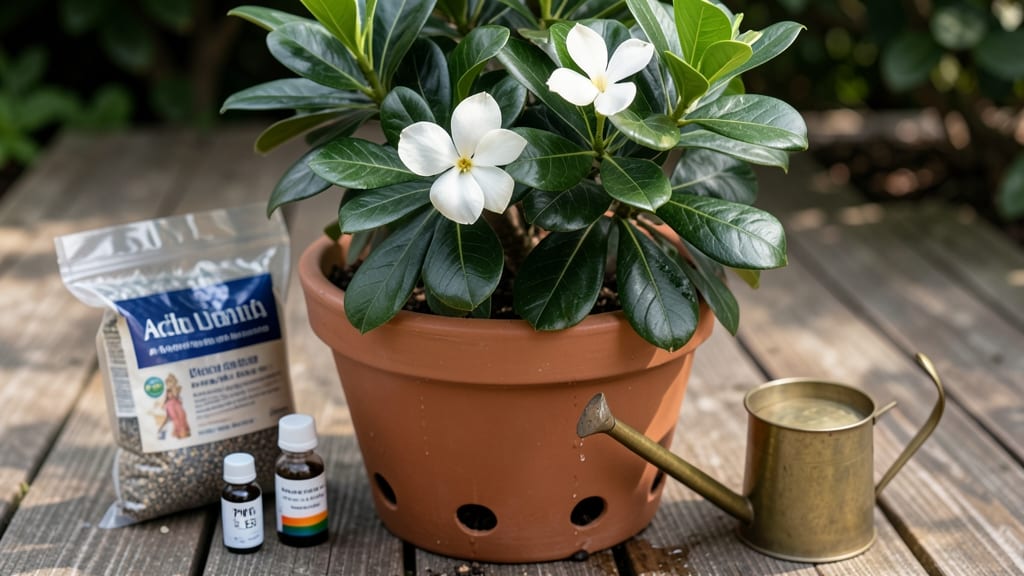
Gardenias can be grown in pots successfully when you provide the right growing conditions: a spacious container (minimum 12 inches deep), nutrient-rich acidic soil, and consistent bright indirect light. Proper hydration and humidity levels are key to preventing stress and leaf drop.
Gardenias actually prefer container life when given the right setup—just think of them as tropical houseplants that need room to spread their roots downward. 🌿 The secret lies in mimicking their natural forest-floor habitat: your pot should have drainage holes to prevent soggy roots, and the soil mix should stay slightly acidic (around pH 5.5-6.5) with plenty of organic matter like composted pine bark.
I've found that terracotta pots work best because they breathe better than plastic, helping maintain that critical moisture balance without letting the soil dry out too quickly.
Once you've got the container and soil right, focus on light exposure—these beauties need at least 6 hours of bright, filtered sunlight daily. A south- or west-facing window works well, but avoid harsh afternoon sun that can scorch the delicate leaves.
Watering requires a gentle touch: keep the soil consistently moist (but never waterlogged) by checking the top inch—if it's dry, it's time to water.
During winter, you'll need to reduce watering slightly since growth slows down, but maintain that humidity with a pebble tray or occasional misting to keep those glossy leaves happy.
💡 In This Article
- Choosing the Right Pot and Soil for Gardenias
- Light, Watering, and Humidity Tips for Potted Gardenias
Choosing the right pot and soil for gardenias
Gardenias need a pot that mimics their natural shallow but extensive root system. A container with a 12-inch minimum depth and 14-16 inches in diameter gives roots room to spread horizontally while preventing overcrowding.
Terracotta pots are ideal because their porous nature allows excess moisture to evaporate, preventing the fungal root rot that often plagues gardenias in sealed plastic containers. The weight of terracotta also provides stability for these top-heavy plants, which can grow up to 3-5 feet tall in containers.
The soil mix is where most gardeners go wrong—gardenias demand a highly acidic environment (pH 5.0-6.5) with excellent drainage. A blend of 50% peat moss or pine bark, 30% perlite or pumice, and 20% composted pine needles creates the perfect balance.
This combination holds moisture while preventing compaction that restricts root oxygen uptake.
The pine bark component also slowly releases nutrients, mimicking the natural forest floor where gardenias thrive. 🌱 Without proper acidity, the plant struggles to absorb essential nutrients like iron and manganese, leading to yellowing leaves—a common sign of "chlorosis" in container-grown gardenias.
Root health depends entirely on drainage—gardenias hate soggy feet. Always include 3-4 drainage holes in the pot's base and use a layer of 1-2 inches of coarse gravel or broken pottery at the bottom. This prevents water from pooling while allowing excess to escape.
I've seen gardenias in pots without proper drainage develop blackened, mushy roots within just 2-3 weeks during humid summer months. The key is creating an environment where water flows freely while the soil retains enough moisture to keep roots hydrated but never waterlogged.
For those with limited space, consider self-watering containers with built-in reservoirs—these help maintain consistent moisture levels without overwatering. The reservoir should hold about 20-30% of the total soil volume to provide a steady supply without drowning the roots.
This system works particularly well in dry climates where gardenias might otherwise suffer from fluctuating moisture levels. 💧 The reservoir also helps maintain that critical humidity around the roots, which is essential for preventing leaf drop during the plant's blooming season.
Seasonal adjustments matter too. In spring and summer, when gardenias are actively growing, you'll need to repot every 2-3 years to refresh the soil nutrients.
The roots will naturally expand, so choose a pot that's only 2-3 inches larger in diameter than the current one—too much extra space leads to overwatering and root rot.
In fall and winter, reduce watering by about 30% since growth slows dramatically, but maintain the same humidity levels to prevent leaf scorch.