
Container Gardens
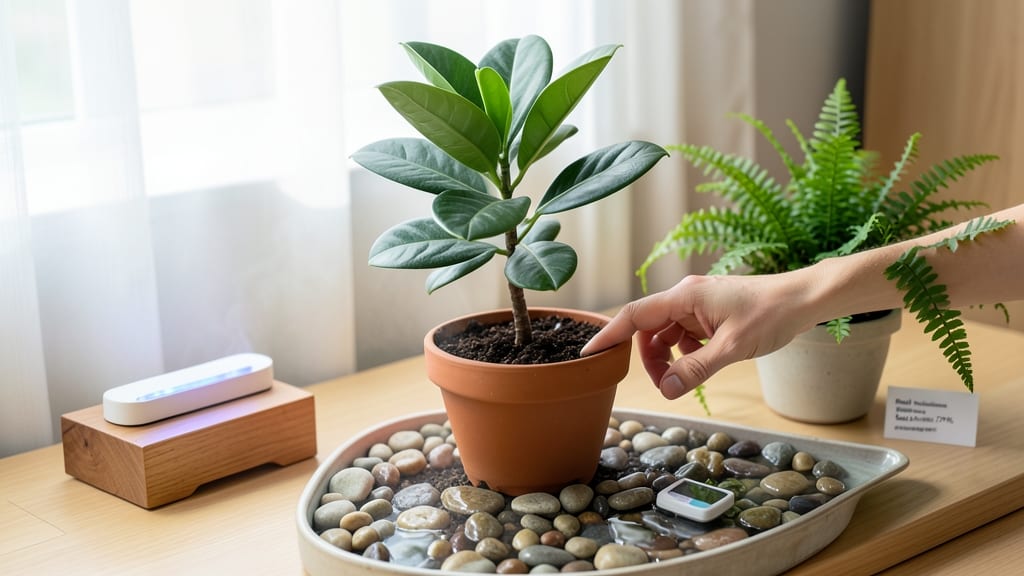
Gardenias can be grown indoors with the right conditions: bright, indirect light, high humidity (60%+), and consistent warmth (65–75°F). They thrive in well-draining soil and require regular watering without soggy roots, along with occasional pruning for bushier growth.
Growing gardenias indoors is absolutely possible, but they’re fussy about their environment. 🌿 Their love for humidity means you’ll need to mist leaves regularly or use a pebble tray with water to keep moisture levels up—especially in dry climates or during winter.
I’ve found that placing them near a bathroom with warm, steamy air can work wonders, though you’ll want to avoid cold drafts from windows or vents.
The key is mimicking their natural tropical habitat: think of them as high-maintenance houseplants that reward you with fragrant blooms when you meet their needs.
For best results, I recommend choosing a north- or east-facing window where they get gentle morning sunlight, or supplementing with a grow light if your space is dim.
The soil should never stay soggy—let the top inch dry out between waterings to prevent root rot, which is a common issue for indoor gardenias. A little extra care goes a long way, and with patience, you’ll be rewarded with those iconic, intoxicating flowers.
💡 In This Article
- Indoor Gardening Requirements for Growing Gardenias
- Step-by-Step Indoor Gardenia Care Guide
Indoor gardening requirements for growing gardenias
The secret to growing gardenias indoors lies in replicating their natural tropical environment, particularly their light spectrum needs. These plants thrive under 4,000-5,000 lux of bright, indirect light—similar to what they'd receive under a dense canopy in their native Southeast Asia.
The ideal light spectrum for flowering includes blue (400-500nm) and red (600-700nm) wavelengths, which stimulate photosynthesis and blooming.
Without enough blue light, gardenias produce sparse foliage, while insufficient red light leads to fewer flowers. 🌿 This is why south-facing windows (with sheer curtains) or grow lights with a full spectrum work best.
Humidity plays a critical role in their blooming success—gardenias need 60-70% relative humidity to prevent bud drop and promote flowering. At home, this means avoiding dry indoor air, which can cause buds to shrivel before opening.
The science behind this is simple: humidity reduces transpiration stress on the plant, allowing it to focus energy on flower production rather than conserving water.
A quick test is to place your gardenia near a humidifier or group it with other tropical plants; you'll notice the glossy leaves stay vibrant and buds stay plump. 💧 In winter, when indoor air is driest, I've seen gardenias thrive near showers or with a daily misting routine.
Temperature sensitivity is another key factor—gardenias prefer 65-75°F during the day and won't drop below 55°F at night. Below 60°F, their metabolic processes slow, leading to stunted growth or bud drop. The reason? Gardenias are tropical evergreens that evolved in warm climates where temperatures rarely fluctuate drastically.
Even a cold draft from an open window can trigger stress responses, so keep them away from vents, doors, and AC units. 🌡️ A simple solution is to place them on a heat mat during winter months if your home tends to be chilly.
Soil pH is often overlooked but crucial—gardenias prefer acidic soil (5.0-6.5 pH), mimicking their natural boggy habitats. The ideal mix combines 50% peat moss or coconut coir (for acidity), 30% perlite or orchid bark (for drainage), and 20% compost (for nutrients).
The peat moss holds moisture while maintaining acidity, while the perlite prevents root rot—a common issue in dense soils. 🌱 Without proper pH, nutrient uptake suffers, leading to yellowing leaves or poor flowering, even with perfect light and humidity.
One often-missed detail is how these factors interact: high humidity + proper pH creates an environment where beneficial microbes thrive in the soil, aiding nutrient absorption. Meanwhile, consistent warmth + bright light ensures the plant can photosynthesize efficiently.
For example, a gardenia in a sunny window with dry air will struggle to bloom, even if the soil pH is perfect. The balance between these elements is what turns a struggling plant into a fragrant, flowering beauty. 🌸
For those in apartments or dimly lit spaces, LED grow lights with a 12-hour photoperiod12-18 inches above the plant, ensuring they receive the blue and red wavelengths critical for flowering.
The key is consistency—gardenias respond best to predictable conditions, so avoid moving them frequently or changing their environment abruptly. 🌟