
How To
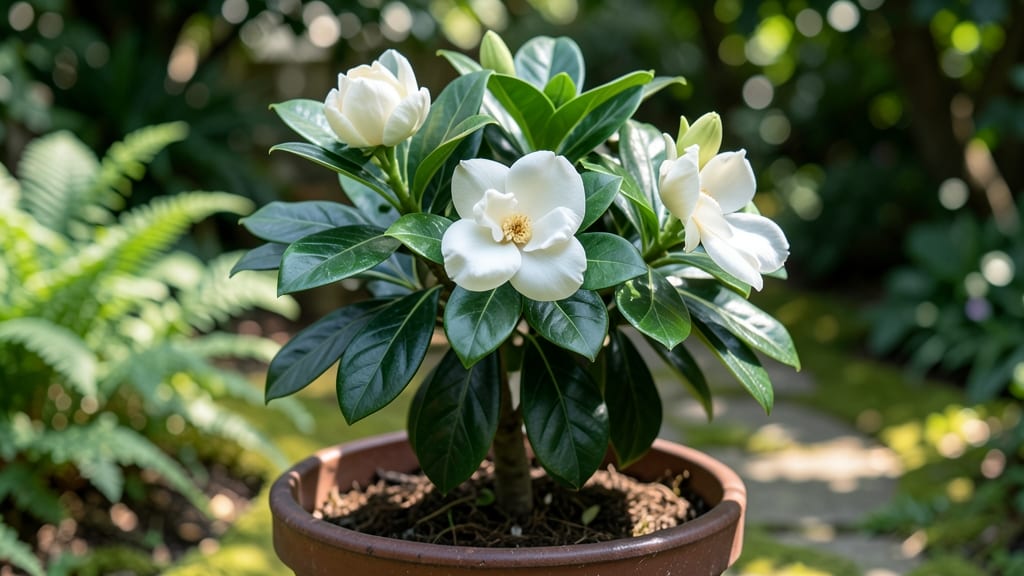
Gardenias how tall they grow can vary dramatically—from as short as 2 feet to towering over 20 feet, depending on the variety and care you provide 🌸 — a fact that surprises many gardeners who assume all gardenias stay small.
Picture this: a delicate dwarf gardenia tucked into a patio container, its fragrant blooms just above your knees, versus a towering tropical gardenia in a humid climate, reaching the height of a small tree. The difference isn’t just about space—it’s about sunlight, pruning, and even the pH of your soil.
If you’re planning your garden layout or dreaming of a gardenia that fits your balcony, knowing these height ranges is the first step. Some varieties like Gardenia jasminoides stay compact, while others stretch skyward if left unchecked.
Below, I’ll break down the exact heights of popular gardenia types, how pruning shapes their growth, and the simple care tricks to keep them at your ideal size—whether that’s a 2-foot accent plant or a 6-foot statement shrub.

Gardenia height by variety: from compact shrubs to towering trees
Choosing a gardenia variety isn’t just about fragrance—it’s about space planning. Some varieties stay compact enough for container gardens, while others grow into small trees that need yard space.
The most common species, Gardenia jasminoides, typically ranges from 2 to 6 feet, but wild relatives like Gardenia augusta can soar to 20 feet in tropical climates. Let’s break down the height ranges and growth habits so you can pick the perfect fit for your garden.
Before selecting, consider your garden layout. A dwarf gardenia like Gardenia jasminoides ‘Radicans’ stays under 2 feet, ideal for patio pots or window boxes. Meanwhile, the tallest varieties, such as Gardenia thunbergia, can reach 15 feet—perfect for privacy screens or woodland edges.
Even within Gardenia jasminoides, heights vary: ‘Kleim’s Hardy’ maxes out at 5 feet, while ‘Veitchii’ can hit 8 feet.
| Variety | Mature Height (ft) | Growth Habit | Best For |
|---|---|---|---|
| Gardenia jasminoides ‘Radicans’ | 1–2 ft | Trailing, mounding | Containers, hanging baskets |
| Gardenia jasminoides ‘Kleim’s Hardy’ | 3–5 ft | Bushy, upright | Foundation plantings |
| Gardenia jasminoides ‘Veitchii’ | 6–8 ft | Tall, vase-shaped | Privacy screens, borders |
| Gardenia augusta | 10–20 ft | Tree-like, spreading | Tropical landscapes |
| Gardenia thunbergia | 12–15 ft | Fast-growing, dense | Woodland gardens |
For container gardening, choose dwarf or semi-dwarf varieties. A 15-gallon pot works for ‘Radicans’ or ‘Kleim’s Hardy’, but upgrade to 25–35 gallons for ‘Veitchii’ to accommodate its deep root system. In-ground plantings need 3–5 feet of clearance for mature height, plus room for spreading branches.
If your gardenia outgrows its space, pruning in late winter can control height while maintaining bloom production.
Climate plays a role too. In USDA Zones 8–10, gardenias thrive year-round, reaching their full height. In cooler zones (6–7), they’re often grown as potted plants moved indoors in winter, limiting height to 3–4 feet unless pruned aggressively.
Even in ideal conditions, soil acidity (pH 5.0–6.5) is critical—alkaline soil stunts growth and reduces blooms.
Pro tip: If you love fragrant blooms but limited space, opt for ‘Fortuniana’ or ‘Mystery’, both staying under 3 feet while producing abundant flowers. These varieties also tolerate light pruning better, making them low-maintenance picks for small gardens.
For taller varieties, plan for annual pruning to shape growth and encourage airflow (reducing fungal risks).
Visualizing height? Imagine a standard kitchen counter (~3.5 feet)—most gardenias will outgrow this. A 6-foot ceiling? ‘Veitchii’ could brush it! Measure your space before planting, and don’t forget to account for branches spreading 3–5 feet wider than the plant’s height.
With the right variety, you’ll have fragrant, glossy blooms without sacrificing garden real estate.
Ready to plant? Start with well-draining, acidic soil and a spot with morning sun and afternoon shade. For containers, use a mix of peat moss, perlite, and pine bark to mimic their native tropical conditions. Your gardenia’s height—and its abundant blooms**—will thank you!
How pruning affects gardenia height: techniques for controlling growth
Pruning is your secret weapon for shaping gardenias into the perfect size for your garden. Whether you want a compact shrub for containers or a taller specimen for borders, strategic pruning can control height while encouraging lush blooms.
The key lies in understanding when and how to trim—timing makes all the difference in avoiding stunted growth or inviting pests.
Most gardenia varieties naturally grow between 3 to 6 feet tall, but without pruning, they can easily exceed these limits. For example, the popular Gardenia jasminoides can reach 8 feet or more if left unchecked.
Pruning not only manages height but also improves airflow, reducing the risk of fungal diseases like powdery mildew that thrive in dense foliage.
⚠️ callout warning ⚠️
⚠️ Pruning Pitfalls That Stunt Gardenias
Over-pruning in one session can shock your gardenia, causing leaf drop and weak growth. Avoid cutting more than 1/3 of the plant at once, and never prune during bloom time—this removes next year’s flower buds. Using dirty tools spreads diseases like bacterial blight, while pruning too late in fall leaves wounds vulnerable to winter frost damage.
Timing is everything when pruning gardenias. For most varieties, the best time to prune is late winter or early spring, just as new growth begins. This encourages vigorous spring blooming and prevents cutting off next year’s flowers.
If you prefer a post-bloom trim, wait until after the last flowers fade in late summer—this helps shape the plant for next season’s growth.
To encourage bushier growth and control height, focus on selective pruning of the plant’s longest stems. Use clean, sharp bypass pruners to make cuts at a 45-degree angle just above a leaf node.
For a more compact shape, trim the topmost growth to redirect energy to lateral branches. Avoid "heading back" (cutting back to a bud) unless you’re training a standard gardenia for a tree-like form.
For container-grown gardenias, pruning is even more critical since root space is limited. Prune 1-2 times per year to maintain a manageable height and prevent the plant from becoming root-bound.
Always use a well-draining pot and repot every 2-3 years to refresh the soil—this supports healthier growth and better pruning responses.
Remember, gardenias respond best to gentle, consistent pruning rather than aggressive trims. If you notice yellowing leaves or fewer blooms after pruning, you may have cut too much. Adjust your approach by pruning less aggressively in the following season and focus on removing dead or diseased wood first.
With patience and practice, you’ll master the art of shaping your gardenias to fit your space perfectly.