
Plants
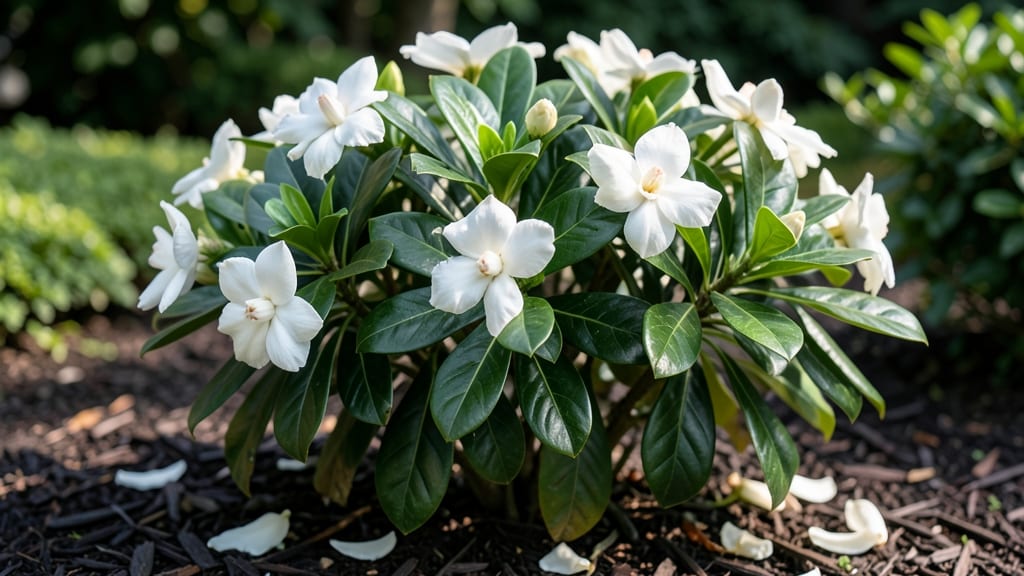
Gardenia plants get anywhere from 1 to 6 feet tall, depending on the variety and growing conditions—some stay small enough for containers while others become small trees.
If you're dreaming of fragrant blooms but wondering whether gardenias will overwhelm your garden space, knowing their mature size is key to planning your landscape—some stay compact while others reach towering heights.
For example, dwarf varieties like 'Kleim's Hardy' top out at just 1-2 feet, making them perfect for small gardens or patio pots, while standard types like 'Radicans' can soar to 6 feet or more.
Below, I’ll break down how gardenia growth habits affect your garden layout, including spacing tips, pruning tricks, and how to keep them manageable—whether you’re growing them in the ground or containers.
Gardenia plant size by popular varieties: height and spread guide
If you're planning to add gardenias to your landscape, knowing their mature size helps you choose the right variety for your space. These fragrant shrubs can range from compact dwarf types to tall, tree-like specimens, with growth habits that vary significantly between species.
The most popular gardenia, Gardenia jasminoides, typically grows between 3 to 6 feet tall and spreads 3 to 5 feet wide, but some varieties stay as small as 1 to 2 feet—perfect for containers or small gardens.
Understanding these size differences ensures you select plants that fit your garden layout while still delivering those iconic white blooms and intoxicating scent. Let’s explore the most common gardenia varieties and their mature dimensions to help you make the best choice for your outdoor space.
The Gardenia jasminoides is the most widely grown variety, offering a balance between size and fragrance. Its 3–6 foot height makes it ideal for foundation plantings or as a specimen shrub in mixed borders.
For smaller spaces, the dwarf varieties like 'Augusta' stay under 2 feet tall, making them perfect for container gardening or balcony gardens where space is limited.
If you're looking for a unique climbing gardenia, Gardenia radicans can reach 10 feet or more when given proper support, like a trellis or arbor. This variety thrives in warm climates and loves to spread its vines wide, adding a romantic touch to pergolas or fences.
However, it requires more maintenance to control its vigorous growth.
For gardeners in cooler climates, 'Kleim's Hardy' is a fantastic choice. This variety tolerates USDA Zones 7–9 and matures at a manageable 4–5 feet tall, making it a reliable option for those who want gardenia blooms without the fuss of tropical care.
When planning your garden layout, consider not just the height but also the spread of each variety. A 6-foot-tall gardenia with a 5-foot spread will need ample space to avoid crowding other plants.
In contrast, a dwarf variety in a 12-inch pot can thrive on a patio or deck with minimal space requirements.
One key factor influencing size is pruning practices. Regular pruning can keep even the largest gardenias in check, encouraging bushier growth and more blooms. For example, trimming back overgrown branches in late winter or early spring can help maintain a compact shape while promoting healthier foliage and flowers.
If you're growing gardenias in containers, choose a variety that fits your pot size. A dwarf gardenia
How gardenia growth habits affect your garden layout
Gardenia plants don’t grow at the same rate or reach the same height—this affects where you place them in your garden. A standard gardenia can grow 4-6 feet tall with a 3-5 foot spread, while dwarf varieties stay under 2 feet.
Understanding these differences helps you avoid overcrowding or underutilized space.
Sunlight exposure also plays a role in how large your gardenia becomes. While they thrive in partial shade (4-6 hours of sun), too much direct sun can stress the plant, slowing growth or causing leaf scorch.
In hot climates, afternoon shade is especially important to keep them compact and healthy.
Here’s how to plan your garden layout based on gardenia growth habits:
If you’re growing gardenias as hedges or privacy screens, space them 3-4 feet apart to allow for natural filling. For container gardening, choose dwarf varieties or prune regularly to maintain size. Remember, gardenias grow slower in low-light conditions, so place them where they’ll receive adequate brightness.
For a fragrant focal point, plant taller varieties near patios or walkways. Their sweet scent will draw you in while their height adds vertical interest. Just ensure they’re not blocking sunlight from other plants in your garden layout.
Finally, consider mulching around gardenias to retain moisture and slow growth if needed. A 2-3 inch layer of organic mulch also protects roots and keeps the base tidy, especially for larger varieties.