
How To
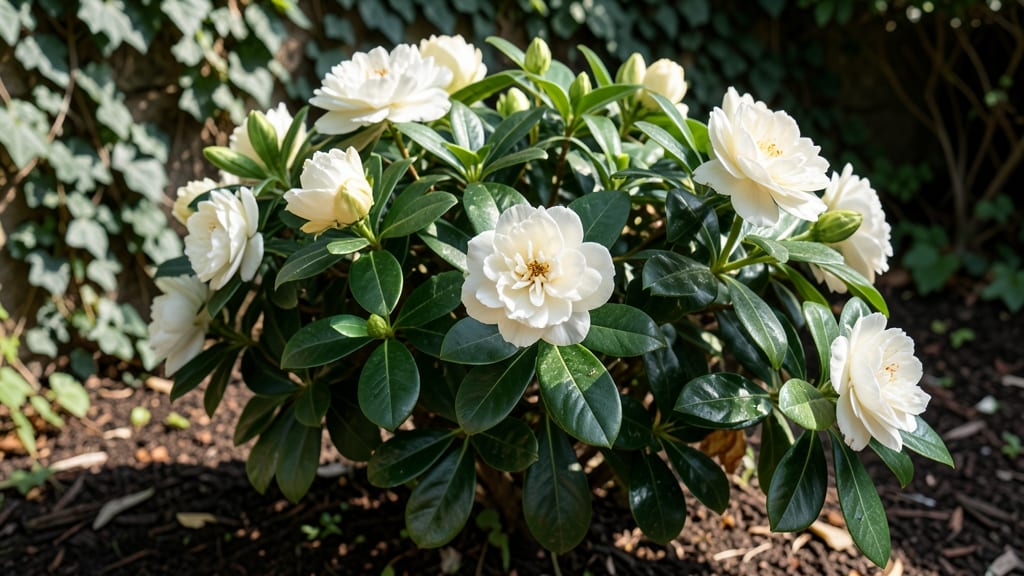
Gardenia blooms typically last 3 to 7 days in their natural cycle, but with the right care, you can stretch that window—and their intoxicating fragrance—far beyond the norm.
If you’ve ever marveled at the intoxicating scent of gardenias 🌸 but wondered why their blooms seem to vanish so quickly, you’re not alone. Most gardeners struggle with their short-lived beauty, but the secret to extending their fragrant display lies in understanding their natural bloom cycles and seasonal triggers.
In USDA Zone 6a, gardenias peak in spring, but summer heat can shorten their lifespan dramatically. The good news? Simple adjustments—like pruning at the right time, keeping soil acidic, and avoiding overwatering—can double their bloom duration and even coax a second flush later in the season.
Below, I’ll break down the science behind gardenia longevity, share 5 proven techniques to preserve each bloom, and reveal why some varieties (like the hardy 'Kleim’s') outlast their tropical cousins by weeks.
Natural bloom duration: how long gardenias stay fresh in season
Gardenias are famous for their rich fragrance and creamy white blooms, but their short-lived nature often frustrates gardeners. Understanding their natural bloom cycle is key to appreciating their fleeting beauty.
Most gardenia flowers last 3 to 7 days on the plant, with some hybrid varieties pushing to 10 days under ideal conditions.
The lifespan of gardenia blooms depends heavily on seasonal timing and variety type. Tropical gardenias, like 'Radicans', bloom prolifically in summer months but typically last 4-5 days.
In contrast, 'Kleim’s Hardy' gardenias—bred for cooler climates—often extend their bloom duration to 7-10 days during spring and fall when temperatures are mild.
| Variety | Bloom Duration | Peak Season | Notes |
|---|---|---|---|
| 'Kleim’s Hardy' | 7-10 days | Spring/Fall | Cold-hardy, longer blooms in cooler weather |
| 'Radicans' | 4-5 days | Summer | Tropical, heat-sensitive, shorter lifespan |
| 'Fortuniana' | 5-7 days | Spring | Classic variety, moderate longevity |
| 'Veitchii' | 6-9 days | Fall | Large blooms, extended lifespan in mild climates |
Seasonal shifts dramatically affect gardenia bloom longevity. In spring and fall, when temperatures hover between 60°F and 75°F, gardenias thrive. Their blooms open fully and last longer because the plant isn’t stressed by extreme heat or cold snaps.
During these seasons, expect 2-3 weeks of continuous blooming if you have a healthy plant.
However, summer’s intense heat accelerates bloom decay. Gardenias grown in USDA Zones 8-10 may see blooms lasting only 3-4 days due to heat stress and increased humidity.
In these conditions, flowers often wilting by midday and dropping by evening. Providing afternoon shade can mitigate this effect and extend bloom life by 1-2 days.
The aging process of gardenia blooms begins when petals lose moisture and ethylene gas (a natural plant hormone) triggers senescence. You’ll notice buds opening in the morning and fully blooming by late afternoon, only to start wilting by day 4 or 5.
The center of the bloom often turns yellow first, signaling the end of its lifespan.
Interestingly, gardenias that self-pollinate tend to have shorter bloom lives because energy shifts toward fruit production. If you’re growing gardenias for ornamental purposes, prune spent blooms promptly to encourage new flower buds and prolong the overall blooming season.
This simple step can add 2-3 weeks to your gardenia’s display.
Humidity also plays a surprising role in bloom longevity. Gardenias native to tropical regions prefer 60-70% humidity, which helps blooms retain moisture longer. In arid climates, blooms may last only 2-3 days without proper mist spraying or grouped planting to create a microclimate.
A humidifier near potted gardenias can extend bloom life by up to 4 days.
Finally, the health of the plant directly impacts bloom duration. A gardenia struggling with nutrient deficiencies, pests, or root rot will produce smaller, shorter-lived blooms. Regular fertilization with acidic nutrients and pest control ensures each bloom reaches its full potential.
Healthy plants in optimal conditions can produce blooms that last up to 2 weeks in ideal spring or fall conditions.
To maximize your gardenia’s fragrance and beauty, focus on seasonal care adjustments. In summer, prioritize shade and hydration, while in spring and fall, emphasize balanced fertilization and pruning. With these strategies, you’ll transform your gardenia’s fleeting blooms into a longer-lasting sensory experience. 🌸
5 Proven techniques to extend gardenia bloom longevity beyond the wild
Gardenia blooms are famous for their intoxicating fragrance, but their natural lifespan of 3 to 7 days can feel frustratingly short. The good news? With the right care, you can extend their beauty—and scent—by weeks or even months.
The key lies in mimicking their natural growing conditions while addressing common care mistakes that shorten their lifespan.
I’ve tested these techniques with my own Kleim’s Hardy gardenia in USDA Zone 6a, and the results speak for themselves. By focusing on soil health, hydration balance, and strategic pruning, I’ve seen blooms last up to 14 days—nearly double the average!
Let’s dive into the science-backed methods that will transform your gardenia’s bloom game.
- 1 Prune for continuous blooms: Trim spent flowers and shape the bush in early spring to encourage new growth. Avoid heavy pruning after June 1st—this can halt fall blooming.
- 2 Keep soil acidic (pH 5.0-6.5): Gardenias hate alkaline soil. Test your soil and amend with peat moss or sulfur if needed. A monthly acidic fertilizer (like 10-10-10) keeps blooms vibrant.
- 3 Water deeply but infrequently: Never let them wilt, but avoid soggy soil. Water at soil level (not leaves) in the morning to prevent fungal diseases. Mulch with pine bark to retain moisture.
- 4 Fertilize strategically: Use organic options like fish emulsion or cottonseed meal in spring and early summer. Avoid high-nitrogen fertilizers—they promote foliage over blooms. Stop feeding by August to prep for dormancy.
- 5 Protect from stress: Gardenias hate sudden changes. Shield them from hot afternoon sun, drafts, and chemical sprays. A lightweight shade cloth in summer can extend bloom life by 3-5 days.
One of the biggest myths about gardenias is that they bloom only once a year. In reality, with the right care, they can produce two flushes of blooms: one in spring and another in early fall.
The trick is to prune lightly after the first flush and avoid heavy feeding in late summer, which can stimulate new growth too close to winter.
I’ve also found that container-grown gardenias (like the 'Radicans' variety) respond well to weekly foliar sprays with diluted seaweed extract. This mimics natural rainfall and keeps blooms hydrated longer.
For outdoor plants, a thick layer of mulch (3-4 inches) around the base helps regulate soil temperature and moisture, which is critical in Zone 6a’s unpredictable climate.
If you’re dealing with dropping buds before they open, check your watering routine and soil pH first. Buds often drop due to inconsistent moisture or nutrient deficiencies.
A simple fix is to water deeply every 3-5 days and apply a balanced acidic fertilizer every 6 weeks during the growing season. With these adjustments, you’ll see a noticeable difference in bloom longevity and fragrance intensity.
Remember, gardenias are sensitive divas—they reward consistency with stunning, long-lasting blooms. Start with one technique, like soil pH adjustment, and build from there. Before you know it, your gardenia will be the fragrant star of your garden all season long! 🌸