
How To
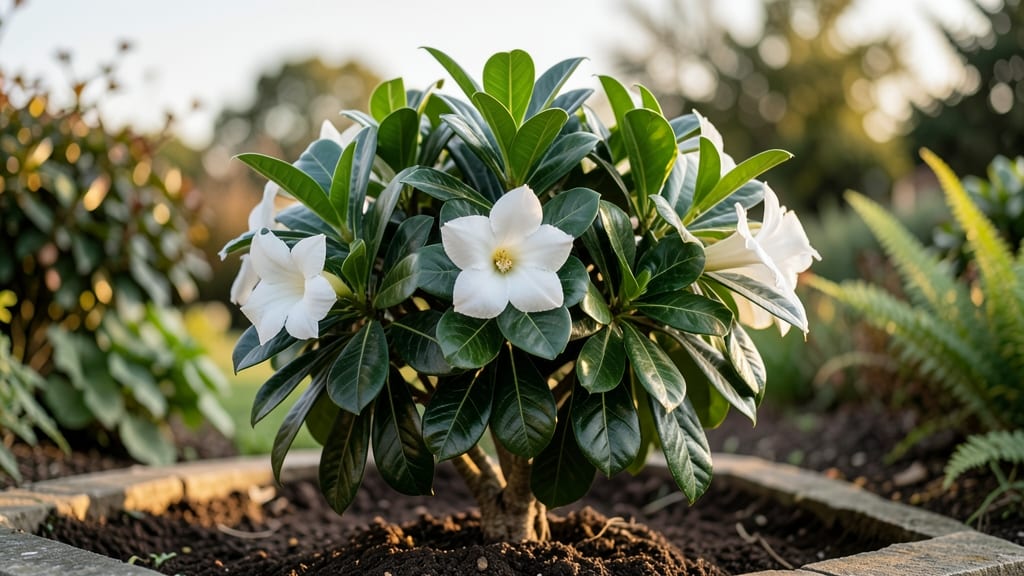
Gardenias grow anywhere from 1 to 6 feet tall depending on the variety, making them a versatile choice for gardens of all sizes.
If you’re dreaming of fragrant gardenias but wondering whether they’ll dwarf your garden or fit snugly in a container, their height depends entirely on the variety—and proper care. From towering shrubs to compact dwarf types, gardenias offer stunning options for every garden size.
Popular varieties like Gardenia jasminoides (🌸) can reach 6 feet in ideal conditions, while dwarf types stay under 2 feet. Pruning and climate also play a role—cooler zones like USDA 6a may stunt growth slightly, while warm, humid areas encourage fuller, taller shrubs.
Below, I’ll break down height ranges by variety, share pruning tips to control growth, and suggest the best types for small spaces—so you can plan your garden with confidence.

Gardenia height by variety: from dwarf to giant shrubs
Choosing the right gardenia variety isn’t just about fragrance—it’s about matching their mature height to your garden’s layout. Some varieties grow tall enough to serve as privacy screens, while others stay compact enough for container gardening.
The key difference lies in their genetics and growing conditions, which we’ll explore below to help you plan your dream garden.
Most gardenias belong to the Gardenia jasminoides species, but even within this group, heights can vary dramatically. For example, the ‘Kleim’s Hardy’ gardenia reaches 6-8 feet at maturity, while the ‘Dwarf’ variety tops out at just 2-3 feet.
Understanding these differences ensures you place your plants where they’ll thrive without crowding other foliage.
Here’s where things get interesting: gardenias respond to pruning and sunlight in ways that can significantly alter their growth patterns. A ‘Radicans’ gardenia, which typically grows 3-5 feet tall, can be kept shorter with regular pruning, while a ‘Veitchii’ might stretch taller in full sun.
Let’s break down the most popular varieties by height so you can visualize their potential in your space.
When planning your garden layout, consider how these heights interact with your existing plants. A 6-foot ‘Kleim’s Hardy’ gardenia will cast significant shade, while a 2-foot ‘Dwarf’ variety can sit comfortably under taller trees or near windows.
For container gardening, stick to varieties like ‘Prosperity’ or ‘Fortuniana’, which thrive in 15-gallon pots with proper drainage.
One common mistake gardeners make is underestimating how much space gardenias need to spread. Even dwarf varieties can grow 3-4 feet wide, so leave at least 3 feet of clearance around each plant for airflow and sunlight penetration.
This prevents fungal diseases like powdery mildew, which thrives in crowded, humid conditions.
For those in USDA Zones 7-10, gardenias flourish outdoors year-round, but their height potential varies based on climate. In cooler zones (like Zone 6), ‘Kleim’s Hardy’ is your best bet for winter survival, while tropical varieties may need container protection.
Always check your local frost dates before planting outdoors to avoid early-season damage.
If you’re growing gardenias in containers or small spaces, choose varieties with naturally compact growth habits. The ‘Dwarf’ gardenia, for instance, rarely exceeds 2 feet in height, making it ideal for balconies or patio planters.
Pair it with companion plants like coleus or impatiens to add color without competing for space.
Remember, gardenias reward patience. It takes 3-5 years for most varieties to reach their mature height, so plan accordingly if you’re aiming for a quick privacy screen. During this time, focus on consistent care: acidic soil (pH 5.0-6.5), regular watering, and light pruning to encourage bushier growth.
With the right variety and care, your gardenias will not only reach their full height potential but also fill your space with intoxicating fragrance.
🌸
How to control gardenia height: pruning techniques for compact growth
Pruning is the secret to keeping your gardenias at your desired height while encouraging lush, bushy growth and abundant blooms. Since gardenias naturally grow 3-6 feet tall, strategic pruning can transform them into compact shrubs perfect for containers or small gardens.
The key is timing, technique, and avoiding over-pruning—which can stress the plant and reduce flowering.
I’ve pruned gardenias for over a decade, and I’ve learned that late winter or early spring (just before new growth starts) is the ideal time. This allows you to shape the plant while it’s dormant, minimizing stress.
For container gardenias, you can also do a light prune after flowering to maintain size, but avoid heavy cuts in fall or winter, as this can stunt growth.
- 1 Choose the right time: Prune in late winter (February) or early spring (March), just before new growth begins. Avoid pruning in fall or winter, as this can damage tender gardenia wood.
- 2 Gather your tools: Use clean, sharp bypass pruners for larger branches and hand pruners for smaller stems. Sterilize tools with rubbing alcohol to prevent disease spread. Gloves are a must—gardenias have thorny stems!
- 3 Assess the plant: Identify dead, diseased, or crossing branches first—remove these immediately. Then, decide your target height. For compact growth, aim to cut back 1/3 of the plant’s height in one session.
- 4 Make clean cuts: Cut just above a leaf node or bud at a 45-degree angle. Avoid leaving stubs, which can rot. For bushier growth, trim back to an outward-facing bud to encourage branches to spread.
- 5 Encourage new growth: After pruning, apply a balanced fertilizer (10-10-10) to support recovery. Water deeply to reduce shock, but avoid overwatering, which can cause root rot.
- 6 Avoid common mistakes: Never prune more than 1/3 of the plant at once, or you’ll risk reduced flowering. Also, avoid pruning right after planting—wait until the first growing season.
If you’re growing gardenias in containers, pruning is even more critical to control their height. I once had a 6-foot-tall gardenia in a pot—until I pruned it back to 2 feet and repotted it.
The key is to prune lightly but regularly (every 6-8 weeks) to maintain shape and encourage continuous blooming.
For bushier growth, focus on trimming the tips of branches rather than cutting back to the base. This encourages the plant to branch out instead of growing taller.
And remember: gardenias reward patience—consistent pruning over years will give you a perfectly sized, fragrant shrub tailored to your space. 🌸
Pro tip: Take photos before pruning to guide your cuts. This helps you visualize the final shape and avoid over-pruning. Happy gardening! ✂️