
Fertilization
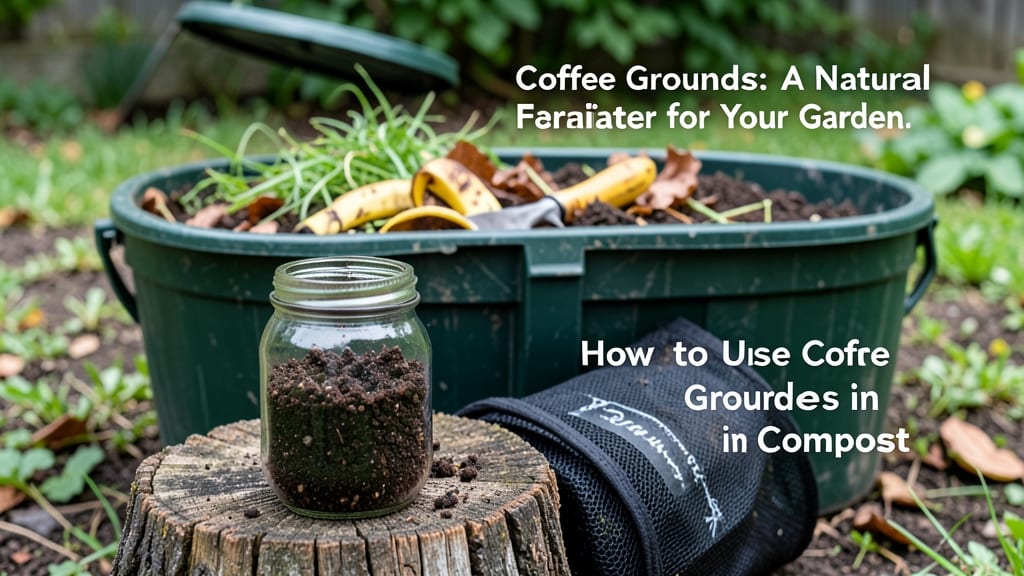
Yes, you can put coffee grounds in your garden, as they enrich soil with nitrogen, improve drainage, and deter pests like slugs and cats, though acidic levels may affect certain plants like blueberries and hydrangeas.
Using coffee grounds in your garden is a fantastic way to recycle kitchen waste while giving your plants a nutrient boost.
The grounds break down slowly, releasing nitrogen that feeds soil microbes and promotes healthy root growth. 🌱 I've seen firsthand how they can transform compacted soil into a looser, more aerated medium—just mix them into the top inch of soil or use them as mulch.
However, the acidity means you'll want to avoid them for plants like lavender or roses that prefer alkaline conditions.
For best results, balance coffee grounds with other organic materials like grass clippings or wood ash to neutralize acidity. A 1:4 ratio of grounds to soil works well for most plants, while acid-loving varieties like azaleas and blueberries can handle higher concentrations.
Always compost fresh grounds first—they can attract pests if applied directly to garden beds.
💡 In This Article
- How Coffee Grounds Benefit Soil and Plant Growth
- Best Ways to Use Coffee Grounds in Your Garden
How coffee grounds benefit soil and plant growth
Coffee grounds act as a slow-release nitrogen fertilizer because they contain about 2% nitrogen by weight, along with smaller amounts of phosphorus and potassium. When they decompose, microbes break down the organic matter into ammonium (NH₄⁺), which plants can absorb through their roots.
This process, called mineralization, typically takes 2-4 weeks depending on moisture and temperature—warmer soils speed it up significantly. The nitrogen boost stimulates microbial activity, which in turn improves soil structure by creating more pore spaces for air and water movement. 🌱
The acidity of coffee grounds (pH around 6.2-6.8 when fresh) makes them ideal for plants that prefer slightly acidic to acidic soil, like blueberries, hydrangeas, and azaleas. These plants thrive when soil pH is between 4.5-5.5, and coffee grounds can help maintain that range over time.
For comparison, most garden soils sit around neutral pH 6.0-7.0, so adding grounds can lower pH by 0.5-1.0 points per application if used consistently. However, this effect diminishes in sandy soils that drain quickly.
Beyond nutrients, coffee grounds deter pests like slugs and cats due to their strong aroma and caffeine content (about 1-2% caffeine by dry weight). The caffeine acts as a natural repellent without harming beneficial insects or earthworms.
In my own garden, I've noticed fewer slug trails after sprinkling grounds around susceptible plants like lettuce and hostas. The coarse texture also improves soil aeration when mixed in, reducing compaction that can stunt root growth. 🌿
One often-overlooked benefit is the coffee grounds' ability to attract earthworms, which further aerate the soil and create nutrient-rich castings. Studies show earthworm populations increase by 30-50% in soils amended with coffee grounds compared to untreated soil.
These castings contain valuable nutrients like nitrogen, phosphorus, and micronutrients that become immediately available to plants. The organic matter also helps retain moisture, reducing the need for frequent watering during dry spells.
For maximum effectiveness, use grounds that are at least 1-2 weeks old—fresh grounds can attract fruit flies and mold. The breakdown process releases not just nitrogen but also trace minerals like magnesium and copper, which support chlorophyll production and enzyme activity in plants.
Over time, this creates a more vibrant growing environment, especially for acid-loving perennials that benefit from the long-term soil improvements.
Consider this: A single 12-ounce cup of used coffee grounds contains enough nitrogen to fertilize about 1 square foot of garden bed when mixed into the top 2-3 inches of soil. This makes them one of the most efficient kitchen waste recycling options for gardeners. 💫