
Advice
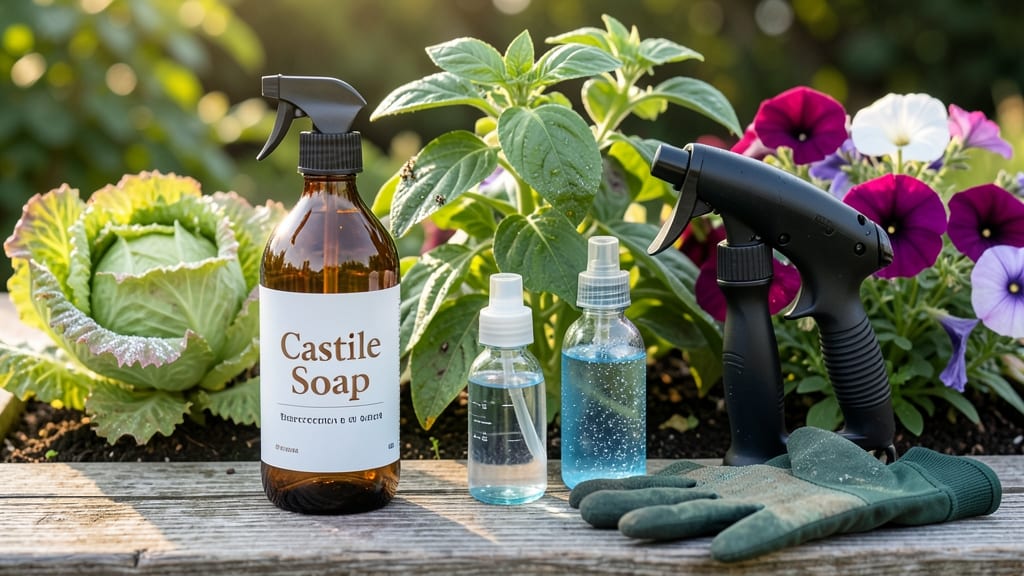
Using castile soap for garden creates a natural pesticide and plant cleaner by breaking down insect shells and removing surface oils, making it perfect for organic pest control and fungal prevention. Always dilute it correctly to protect your plants.
Castile soap works as a natural insecticide because its soap molecules disrupt the waxy outer layer of pests like aphids and mites, causing dehydration. 🌿 Unlike chemical pesticides, it won’t harm beneficial insects if used at the right concentration—typically 1–2 tablespoons per gallon of water.
I’ve found it especially effective when sprayed on the undersides of leaves, where many pests hide. Just remember to test it on a small plant area first, as some varieties (like citrus) can be sensitive to its alkaline nature.
For best results, apply your castile soap mixture in the early morning or late evening when temperatures are cooler. This reduces the risk of burning plants and gives the solution time to work before the sun intensifies.
I always use a spray bottle with a fine mist setting to ensure even coverage, and I avoid applying it when rain is forecasted within 24 hours. The key is consistency—reapply every 5–7 days for persistent infestations.
💡 In This Article
- How Castile Soap Kills Pests and Safeguards Plants
- Best Castile Soap Dilutions and Application Methods for Gardens
How castile soap kills pests and safeguards plants
Castile soap works primarily as a surfactant, meaning its molecules reduce surface tension between water and oils. When sprayed on plants, the soap molecules attach to the waxy cuticle layer of soft-bodied insects like aphids, mites, and whiteflies.
This disrupts their protective barrier, causing dehydration and eventual death within hours. The key is that these pests lack the hard exoskeletons of beetles or ants, making them especially vulnerable to soap's emulsifying action. 🔥
The effectiveness depends on concentration—too little won't penetrate the insect's shell, while too much can damage plant leaves. Most gardeners use a 1-2 tablespoon per gallon of water ratio, which creates a solution with about 0.5-1% soap concentration.
This level is strong enough to kill pests but gentle enough for most plants when applied correctly. For comparison, commercial insecticidal soaps typically contain 17-19% soap, but they're formulated with plant-safe ingredients.
What makes castile soap unique is its selectivity. Unlike broad-spectrum pesticides, it primarily targets soft-bodied insects while leaving beneficial predators like ladybugs and lacewings largely unharmed. This selectivity is crucial for maintaining garden ecosystems.
The soap doesn't kill by ingestion (like many chemical pesticides) but by physical disruption of the insect's outer layer—a process called "cuticular penetration." This method is particularly effective against fungal spores too, as the soap helps wash away protective oils that allow fungi to establish on leaves.
However, the soap's alkaline nature (pH around 8-9) means it can damage sensitive plants. Citrus trees, for example, have thin cuticles that may develop brown spots when exposed to even diluted soap solutions.
The solution's pH is about 2-3 points higher than rainwater, which is why testing on a small leaf area first is essential. Most garden plants tolerate the solution well, but always monitor for signs of phytotoxicity like yellowing or wilting within 24-48 hours of application.
Interestingly, castile soap's effectiveness increases when combined with horticultural oil. The oil helps the soap adhere better to leaf surfaces while adding its own suffocating effect on pests. I've found that mixing 1 tablespoon castile soap with 1 tablespoon horticultural oil per gallon creates a powerful but still plant-safe solution.
The combination works particularly well against scale insects and mealybugs, which have waxy coatings that repel water-based solutions alone.
One often-overlooked benefit is castile soap's ability to clean leaves. Dust and grime on foliage block sunlight and reduce photosynthesis. When you spray the diluted solution, it washes away these particles while simultaneously removing fungal spores.
This dual action makes it an excellent preventive measure against early signs of powdery mildew and black spot diseases. The cleaning effect is most noticeable on broadleaf plants like basil and spinach, where you can visibly see the leaves brighten after application.
For maximum effectiveness, always apply when pests are actively feeding—typically in the morning when dew is present.
The moisture helps the solution spread more evenly across leaf surfaces. 🌱 And remember: while castile soap is non-toxic to humans and pets when properly diluted, it's still best to avoid spraying edible plants within 24 hours of harvest to prevent any residual soap from transferring to your food.