
Fertilization
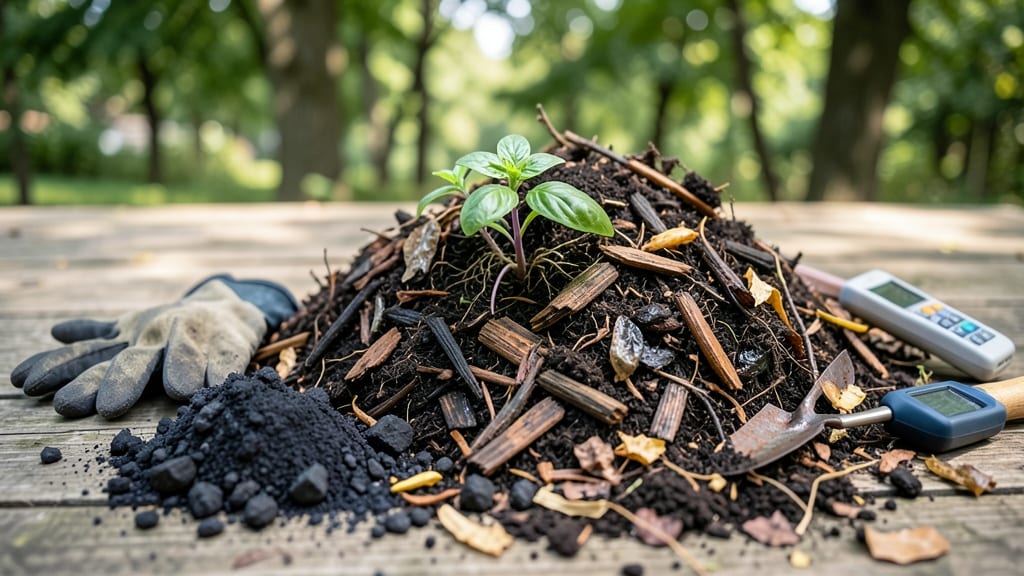
Using charcoal ash in garden improves soil by raising pH, adding potassium, and enhancing drainage, but overuse can create alkaline conditions harmful to acid-loving plants like blueberries or azaleas. Always test soil first and apply sparingly.
Charcoal ash works differently than wood ash because it lacks the high calcium content that raises soil pH drastically. 🔥 Instead, it gently adjusts acidity while providing slow-release potassium—great for vegetables and perennials.
I've seen it transform heavy clay soils by breaking up compaction over time, though you'll want to mix it into the top 2-3 inches rather than scattering it on the surface.
The key is balance: too much turns your garden into a basic playground for plants that thrive in alkaline conditions, like lavender or thyme.
For best results, combine charcoal ash with compost or aged manure to buffer its effects. This creates a nutrient-rich blend that supports microbial activity while preventing pH swings. Always work it into moist soil rather than dry—this helps distribute it evenly and reduces the risk of creating hardpan layers.
Think of it as a soil amendment rather than a quick fix.
💡 In This Article
- How Charcoal Ash Enhances Soil Fertility
- Safe Application Methods for Charcoal Ash in Gardens
How charcoal ash enhances soil fertility
Charcoal ash improves soil fertility through its unique chemical composition, primarily by providing a slow-release source of potassium (K), which is essential for plant growth and stress resistance. Unlike wood ash, which contains high levels of calcium that drastically raise soil pH, charcoal ash has a more neutral effect.
Its potassium content—typically around 1-2% by weight—helps strengthen cell walls in plants, making them more drought-resistant while promoting robust root development.
The carbon-rich structure of charcoal ash also plays a crucial role in soil health. When mixed into the soil, it acts as a slow-release carbon source, feeding beneficial microbes that break down organic matter. These microbes, in turn, release nutrients more efficiently, creating a self-sustaining cycle.
Studies show that charcoal ash can increase microbial activity by up to 30% in amended soils, which translates to better nutrient cycling and healthier plant roots. The porous nature of charcoal also improves soil aeration, allowing roots to access oxygen more easily.
One of the most noticeable benefits is its ability to adjust soil pH without extreme alkalinity. While wood ash can raise pH to 8.0 or higher, charcoal ash typically increases it by only 0.5-1.5 pH units, making it safer for a wider range of plants.
This gentle adjustment is ideal for gardens with slightly acidic soils, where a small boost in pH can unlock nutrients like phosphorus that become unavailable in overly acidic conditions.
For example, tomatoes and peppers thrive in soils with a pH of 6.0-6.8, and charcoal ash can help maintain that range without overcorrecting.
Charcoal ash also enhances soil structure by reducing compaction. Its granular texture breaks up clay soils, improving drainage while retaining moisture—similar to how perlite works but with added nutritional benefits.
In heavy, waterlogged soils, adding 1-2 cups per 100 square feet can transform the soil into a looser, more workable medium. This is particularly useful for vegetable gardens, where root crops like carrots and potatoes benefit from well-aerated soil.
The ash’s ability to absorb and slowly release water further helps prevent drought stress in plants.
However, the benefits aren’t universal. Acid-loving plants like blueberries, azaleas, and rhododendrons may struggle if the soil pH rises beyond their preferred range of 4.5-5.5. That’s why soil testing before application is critical.
A simple home pH test kit (costing around $10-$15) can reveal whether your soil needs adjustment or if charcoal ash would be too harsh. For acidic soils, pairing charcoal ash with sulfur—a natural pH-lowering amendment—can help maintain balance.
Finally, charcoal ash’s long-term effects on soil health make it a sustainable choice for organic gardeners. Unlike synthetic fertilizers, which provide quick but short-lived nutrients, charcoal ash contributes to soil fertility over months or even years.
Its carbon content also helps sequester carbon in the soil, reducing greenhouse gas emissions—a bonus for eco-conscious gardeners. When used correctly, it’s a powerhouse amendment that supports both plant growth and soil resilience. 🌱