
Watering
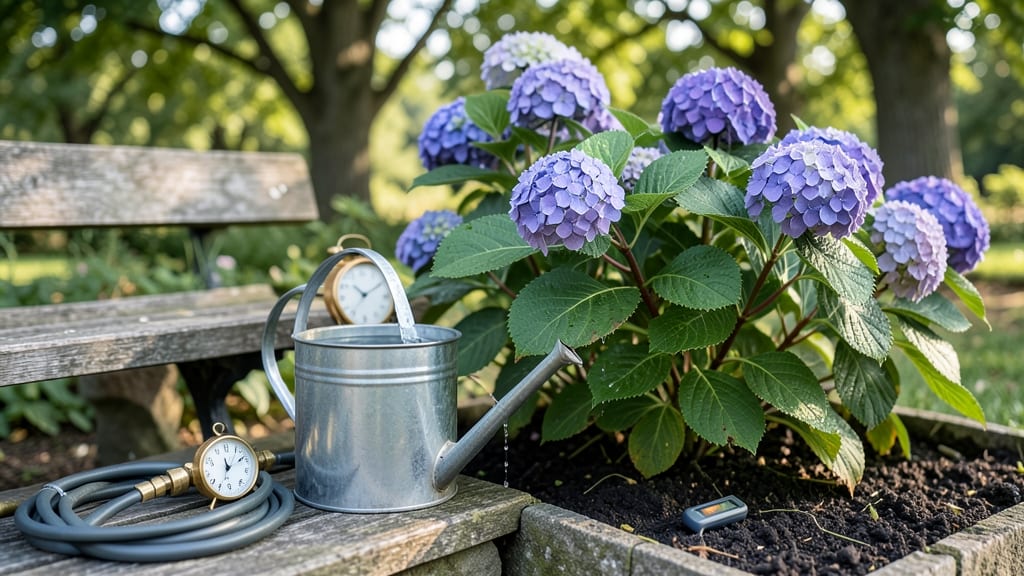
Watering your garden in the morning or evening makes a surprising difference in how much water your General Garden Plants 🌱 actually use—and how healthy they stay.
Struggling to decide whether morning or evening watering is best for your garden? The wrong timing can waste water, stress plants, or even invite pests—but science reveals the optimal schedule for thriving roots and lush foliage.
Morning watering reduces evaporation and fungal risks, while evening watering can help drought-prone plants retain moisture longer. The best time depends on your climate, plant types, and even your local humidity levels.
Below, I’ll break down the science-backed pros and cons of each approach, plus practical tips to save water and keep your garden thriving all season long.


Morning vs. evening watering: how timing affects plant health and water efficiency
Deciding whether to water your garden in the morning or evening isn't just about convenience—it directly impacts root health, water efficiency, and even pest prevention.
Research from the University of California Cooperative Extension shows that watering at the wrong time can waste up to 30% more water due to evaporation and increase fungal risks. Let’s break down the science behind each approach so you can make the best choice for your plants.
Morning watering, ideally before 10 AM, allows plants to absorb moisture gradually throughout the day. This method maximizes root development and minimizes water loss from evaporation. In contrast, evening watering—especially after sunset—can leave foliage damp overnight, creating a prime environment for fungal diseases like powdery mildew.
The choice isn’t just about time of day but also about your local climate and plant types.
Evaporation rates are the biggest factor in water waste. During the day, temperatures rise, causing water to evaporate quickly, often before it reaches the root zone. Evening watering reduces evaporation, but the trade-off is increased humidity, which can attract pests like slugs and snails. For most gardens, especially in humid climates, morning watering strikes the perfect balance.
| Factor | Morning Watering (Before 10 AM) | Evening Watering (After Sunset) |
|---|---|---|
| Evaporation Loss | Low (cooler temps, less wind) | Moderate (humidity traps moisture) |
| Root Growth | Optimal (steady absorption) | Slower (roots may not dry fully) |
| Fungal Risk | Low (foliage dries quickly) | High (damp leaves overnight) |
| Water Efficiency | High (less waste) | Moderate (may overwater soil) |
| Pest Attraction | Minimal (dry foliage) | High (slugs, snails, fungus gnats) |
| Best For | Most plants, humid climates | Drought-prone areas, desert plants |
For vegetable gardens and flowering plants, morning watering is the gold standard. My tomato plants, for example, thrive when watered early because the moisture penetrates deep into the soil before the heat of the day.
This encourages strong root systems and reduces the risk of blossom-end rot, a common issue caused by inconsistent watering. Even herbs like basil and cilantro benefit from morning hydration, as their leaves dry quickly, preventing fungal spores from taking hold.
However, drought-prone regions like the Southwest U.S. often recommend evening watering to conserve water. In these areas, the low humidity and high daytime temperatures cause rapid evaporation, making morning watering less efficient.
If you live in a desert climate, watering in the evening can reduce losses by up to 20%, though you’ll still need to monitor for pests. Always prioritize deep watering over frequent shallow sessions to encourage roots to grow downward.
Another critical factor is mulching. Whether you water in the morning or evening, a 2-3 inch layer of mulch (like straw or wood chips) can retain moisture and regulate soil temperature. Mulch acts as a buffer, reducing evaporation and keeping roots cool.
For container gardens, morning watering is still best, but use self-watering pots or drip irrigation to maintain consistent moisture without overwatering.
If you’re unsure which time works best for your garden, start with a test period. Water half your garden in the morning and the other half in the evening, then observe plant health, water usage, and pest activity over 4-6 weeks.
You might be surprised by what works best in your specific conditions. For most gardeners, though, the morning routine wins for its balance of efficiency and plant health.
Remember, the key to successful watering is consistency. Whether you choose morning or evening, stick to a regular schedule and adjust based on weather forecasts. If rain is expected, skip watering entirely to avoid overwatering.
With the right timing, you’ll see stronger plants, healthier soil, and even lower water bills—all while reducing your environmental impact.
🌱💧✂️
Best practices for watering at the right time: expert tips for different climates
Choosing the right time to water your General Garden Plants 🌱 isn't just about convenience—it's about maximizing water efficiency and plant health. In humid climates, evening watering can reduce fungal risks, while dry regions often benefit from morning watering to minimize evaporation.
Let’s break down the best practices for your specific conditions.
First, consider your local temperature and humidity levels. Hot, dry climates lose up to 30% more water when irrigated in the afternoon. Meanwhile, high-humidity areas may see fungal outbreaks if leaves stay wet overnight.
The key is adapting your schedule to your environment while avoiding common mistakes like overwatering or water stress.
Water before 10 AM
Morning watering allows roots to absorb moisture before evaporation peaks. Ideal for most plants in arid climates.
Avoid evening watering in humidity
High humidity + wet foliage = perfect conditions for fungi. Water by 6 PM at the latest in tropical zones.
Deep watering beats frequent shallow sessions
Encourage deep root growth by watering slowly and deeply—even if it means fewer sessions. Aim for 1 inch per week total.
Adjust for seasonal shifts
Summer heat? Water earlier (5-8 AM). Winter chill? Evening watering reduces heat loss in soil.
For container gardens, morning watering is almost always best because pots dry out faster. However, if you’re growing succulents or cacti, evening watering in desert climates can help them retain moisture longer overnight.
Always check soil moisture with your finger—if the top 1-2 inches are dry, it’s time to water.
One of the biggest mistakes gardeners make is watering based on a fixed schedule rather than plant needs. Instead, use a moisture meter or the "squeeze test" to gauge when your soil needs hydration.
Mulching with organic matter (like straw or wood chips) can also reduce evaporation by up to 30%, giving you more flexibility with timing.
Finally, don’t forget that rainfall counts! Adjust your watering routine after heavy rain to avoid waterlogging, which can suffocate roots. In USDA Zone 6a, where frost-free days average 165 days, aim to water deeply in June and July—the peak growing months for most plants.
By tailoring your watering schedule to your climate and plant types, you’ll save water, reduce stress on your garden, and enjoy healthier, more resilient plants all season long. 💧