
Tools
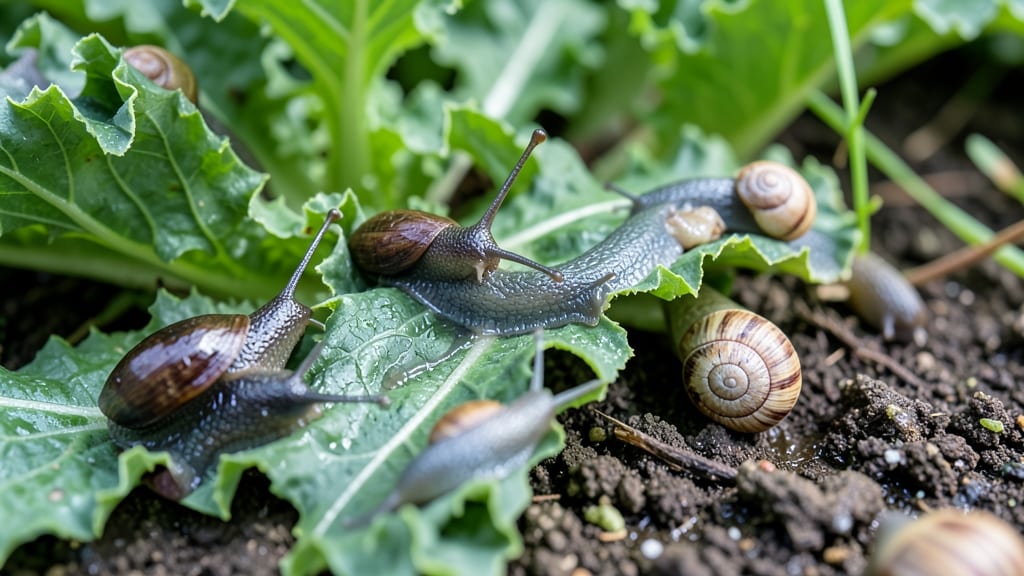
Ridding your garden of slugs and snails starts with fast, effective traps that work overnight—no harsh chemicals required.
Waking up to chewed leaves and slimy trails in your garden is every gardener’s nightmare—but slugs and snails don’t stand a chance against these fast-acting, chemical-free solutions that deliver results in just 24 hours.
Whether you’re dealing with a small patch or a full-blown invasion, the right approach can make all the difference.
Slugs and snails thrive in damp, shady spots, but they’re also easy to outsmart with the right tools. From copper barriers that disrupt their movement to beer traps that lure them in, these methods are simple, affordable, and kinder to your plants than pesticides.
Below, I’ll walk you through the top natural traps, how to set them up for maximum impact, and the long-term strategies to keep your garden slug-free season after season.
5 Fastest natural slug and snail traps that work overnight
Slugs and snails are the silent saboteurs of any garden, leaving behind glossy trails of destruction on your favorite plants. The good news? You don’t need harsh chemicals to stop them.
These five overnight solutions use items you likely already have at home—beer traps, coffee grounds, and copper barriers—to eliminate pests within hours. Let’s tackle this slimy problem head-on with fast, effective, and eco-friendly methods.
What makes these traps work so quickly? Slugs and snails are nocturnal feeders with a few key weaknesses: they’re drawn to moisture and fermented scents, they can’t cross copper barriers, and they avoid abrasive textures like coffee grounds.
By leveraging these behaviors, we can outsmart them before they ruin your garden. The best part? These methods are safe for pets, kids, and beneficial insects like earthworms and ladybugs.
- 1 Beer Trap: Fill a shallow dish with beer (any type) and place near slug hotspots. Slugs are drawn to the yeast and drown within hours.
- 2 Coffee Grounds Barrier: Sprinkle used coffee grounds in a 1-inch ring around plants. The gritty texture irritates their soft bodies, deterring them instantly.
- 3 Copper Tape Barrier: Wrap copper tape around pots or create a 3-inch-wide strip in garden beds. The electric shock from copper repels slugs on contact.
- 4 Ginger Beer Bait: Mix ginger beer with a little water in a shallow container. The high alcohol and spice content attracts slugs, who get trapped and dehydrate overnight.
- 5 Diatomaceous Earth Dust: Lightly dust food-grade DE around plants at dusk. It dehydrates slugs by damaging their slimy layer, killing them within 24 hours.
Let’s start with the beer trap, my go-to for quick results. Slugs are irresistibly drawn to fermented scents, and beer is like a deceptive buffet they can’t resist.
Grab a shallow dish or yogurt container, fill it with 1-2 inches of beer (any kind, even flat beer works), and place it near high-traffic areas like hosta beds or lettuce patches.
Within 6-8 hours, you’ll start seeing slimy trails leading to the dish—and by morning, the slugs will be drowned and easy to dispose of. For best results, place traps after sunset when slugs are most active.
The coffee grounds barrier is another game-changer because it’s cheap, reusable, and doubles as fertilizer. After your morning brew, sprinkle the used grounds in a 1-inch-wide ring around your plants. The abrasive texture acts like sandpaper on their soft bodies, making them avoid the area entirely.
Plus, as the grounds break down, they improve soil structure and add nitrogen—a win-win for your garden. Reapply every 3-4 days or after rain to maintain effectiveness.
If you’re dealing with slugs crawling up pot sides or into raised beds, copper tape is your invisible shield. The mild electric shock it creates is painless for humans but intolerable for slugs.
Wrap a 3-inch-wide strip of copper tape around the edges of pots or create a loop in garden beds. Slugs will detour around it rather than risk the shock. For long-term protection, combine copper tape with a moat of sand (slugs hate crossing dry, coarse surfaces).
This dual defense keeps your plants completely safe from slimy invaders.
For a scent-based trap that’s even more effective than beer, try ginger beer. The high alcohol content and spicy kick lure slugs in, but they can’t escape. Mix equal parts ginger beer and water in a shallow dish and place it near slug hotspots.
By morning, the dish will be filled with trapped slugs—just dispose of them in soapy water or bury them in the garden (far from your plants). This method is especially effective in humid climates where slugs are overly active at night.
Last but not least, diatomaceous earth (DE) is a silica-based powder that dries out slugs by damaging their protective mucus layer. Sprinkle a light dusting around plants after sunset (slugs are active then) and avoid watering for 24 hours—moisture reduces its effectiveness.
DE is safe for plants and pets (just avoid inhaling it), and it lasts for weeks unless washed away by rain. For maximum impact, apply it in a 1-inch band around the base of plants and reapply after heavy rain.
Within 24 hours, you’ll see fewer slug trails and healthier plants.
To boost your traps’ effectiveness, time them right. Slugs are most active on humid, cloudy nights and after rainfall. Set up your traps 2-3 hours before sunset to catch them mid-feeding.
Also, remove any hiding spots like mulch piles, boards, or dense foliage where slugs can shelter during the day. A clean, well-aerated garden gives your traps the best chance of success.
With these five overnight methods, you’ll wake up to a slug-free garden—no more chewed leaves or slimy trails to clean up.
Remember, the key to long-term slug control is consistency. Rotate these methods to prevent slugs from adapting, and always combine traps with prevention (like removing debris and watering in the morning). Soon, your garden will be slug-proof**, and you’ll
Why copper tape and diatomaceous earth are your secret weapons
When slugs and snails leave your garden looking like a buffet after a party, you need two powerhouse tools that work silently and effectively: copper tape and diatomaceous earth (DE). These aren’t just quick fixes—they’re long-term solutions that protect your plants without harming the environment.
Copper tape creates an invisible electric barrier that slugs can’t cross, while DE acts like microscopic sandpaper that dehydrates pests within hours. Together, they form a dual defense that’s tough for slugs to outsmart.
The science behind these tools is fascinating. Copper tape works because slugs have sensitive nerve endings that detect electrical currents. When they touch the tape, they receive a mild shock that sends them scrambling in another direction.
Meanwhile, diatomaceous earth is made from fossilized algae that creates sharp edges when ground into a fine powder. These edges pierce slugs’ mucus layer, causing them to lose moisture and die. Both methods are pet-safe and plant-safe when used correctly, making them ideal for organic gardens.
- Instant repellent effect
- Reusable for years
- Safe for pets and plants
- Works in all weather
- Requires physical installation
- Less effective on snails with shells
- Can look unsightly in some gardens
- Kills slugs within 24 hours
- Also repels ants and other pests
- Improves soil over time
- Easy to apply and reapply
- Loses effectiveness when wet
- Requires reapplication after rain
- Can irritate lungs if inhaled
- Less visible barrier than copper
To use copper tape effectively, start by identifying your garden’s high-risk zones. These are usually areas with shady, moist soil and tender plants like lettuce or hostas. Wrap a 3-inch-wide strip of copper tape around the edges of pots or create a continuous loop in garden beds.
For raised beds, place the tape along the inner edges to prevent slugs from crawling in. The key is to create a complete barrier—even a small gap can let slugs slip through. Copper tape lasts for years and requires no maintenance, making it a set-it-and-forget-it solution for slug control.
For diatomaceous earth, timing is everything. Apply a light dusting around plants after sunset when slugs are most active, and avoid watering for 24 hours to let it work.
Use a duster or sieve to create a 1-inch-wide band around the base of plants, focusing on leafy greens and young seedlings that slugs love. Reapply every 5-7 days or after rain to maintain effectiveness.
One of my favorite tips is to mix DE with flour (1:1 ratio) to make it easier to apply and reduce dust. This combo works even better because slugs are drawn to the scent of flour while the DE does its job.
Safety is crucial when using these tools. Always wear a dust mask when applying diatomaceous earth to avoid inhaling the fine particles. Keep it away from water sources like ponds or birdbaths, as it can harm aquatic life.
For copper tape, ensure it’s secured tightly so pets or children can’t accidentally touch it. While both methods are non-toxic, a little caution goes a long way in keeping your garden safe and slug-free.
With these two weapons in your arsenal, you’ll have a garden that slugs simply can’t conquer.
For long-term success, combine these tools with other slug-prevention strategies like removing hiding spots and watering in the morning (slugs hate dry conditions). I’ve found that rotating methods keeps slugs guessing and prevents them from adapting.
Whether you’re dealing with a small infestation or a full-blown slug siege, copper tape and diatomaceous earth are your most reliable allies in the fight for a healthy garden.