
Trees
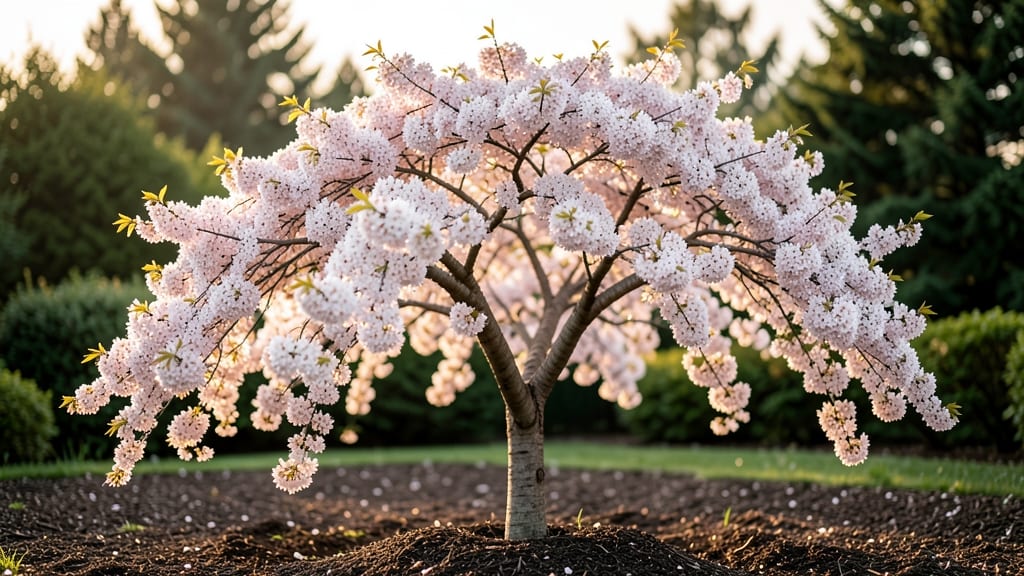
A cherry blossom tree for your garden transforms your outdoor space with breathtaking spring blooms and graceful foliage, thriving best in full sun when planted with adequate spacing. Compact varieties like 'Stella Compact' or 'Royal Anniversary' are perfect for small yards, while larger species require generous root zones to support their mature size. Opting for disease-resistant cultivars ensures minimal upkeep while maximizing seasonal beauty.
A cherry blossom tree isn't just about pretty flowers—it's a statement piece that brings seasonal charm and ecological benefits to your yard. 🌸 The right variety can even attract pollinators while providing year-round interest with its distinctive bark and fall foliage.
I've found that smaller cultivars like 'Kanzan' (with its double pink blooms) or 'Okame' (early blooming) create dramatic focal points without overwhelming tight spaces.
The key to long-term success lies in understanding each tree's mature size and root spread before planting, as these factors determine whether your blossom tree will thrive or struggle in your garden's layout.
For those new to gardening, don't let the delicate appearance fool you—these trees are surprisingly hardy once established. Their preference for well-drained soil and full sun means they'll reward you with fewer problems than many ornamental trees.
I always recommend testing your soil's pH before planting, as cherry blossoms prefer slightly acidic conditions (around 6.0-6.5) for optimal bloom production. The trade-off? They do require regular pruning to maintain their shape and encourage healthy flowering, which is where their compact varieties really shine for busy gardeners.
💡 In This Article
- Best Cherry Blossom Tree Varieties for Small Gardens
- Planting and Care Tips for Cherry Blossom Trees in Full Sun
Best cherry blossom tree varieties for small gardens
Cherry blossom trees come in stunning varieties, each with unique growth habits that determine their suitability for small gardens. The 'Stella Compact' variety, for example, matures at just 10-15 feet tall with a 10-12 foot spread, making it ideal for urban yards or patios.
Its root system remains relatively shallow compared to larger varieties, requiring only 8-10 feet of space around its trunk to prevent root competition with nearby plants. The 'Royal Anniversary' offers similar compactness but blooms later in spring, giving you extended seasonal interest.
For those craving dramatic blooms without the space demands, consider the 'Kanzan' cultivar—though it reaches 20-25 feet at maturity, its dense, upright growth habit allows it to fit in surprisingly tight spaces when planted against a wall or fence.
The key difference here is its root system, which spreads 15-20 feet wide, so you'll need to account for that in your planting plan. 🌸 What sets 'Kanzan' apart is its double pink flowers that appear before the leaves, creating a spectacular visual effect that lasts 1-2 weeks longer than single-flowered varieties.
If you want year-round interest rather than seasonal blooms, the 'Autumnalis' variety is a game-changer. This cultivar produces smaller, single white flowers that bloom intermittently throughout the year (especially in mild climates), and its mature size of 25-30 feet makes it better suited for larger gardens. The trade-off?
Its root system is extensive, requiring 20+ feet of space, so it's not ideal for tight urban lots. For small spaces, the 'Okame' variety offers early blooms (often as early as February in warm climates) and stays under 15 feet tall with a 12-foot spread.
When selecting a variety, consider your garden's microclimate. Southern exposures get more intense sunlight, which can stress some varieties, while northern exposures may delay blooming.
The 'Shirotae' cultivar, for instance, thrives in cooler climates with its white single flowers and 20-foot mature height, but its root system spreads 15 feet wide—making it better suited for medium-sized gardens.
Always check your local hardiness zone (cherry blossoms typically thrive in zones 5-8) and match it with the variety's cold tolerance.
For disease resistance, prioritize cultivars bred for modern conditions. The 'Accolade' variety, for example, resists common fungal diseases like powdery mildew and black knot, which plague many traditional cherry blossoms.
Its 20-foot height and 18-foot spread make it versatile for medium gardens, while its root system stays contained enough to avoid overwhelming nearby plants. The secret to its resistance lies in its hybrid genetics, which combine the hardiness of Prunus serrulata with disease-resistant traits from Prunus avium.
Remember that dwarf varieties aren't just smaller—they have different growth patterns. The 'Stella Compact', for instance, grows more slowly (6-12 inches per year) compared to standard varieties (12-24 inches per year), meaning you'll enjoy its blooms for decades without aggressive pruning.
This slower growth also translates to shallower roots, making them easier to establish in containers or raised beds if needed. The key is to match the tree's growth rate with your garden's available space and maintenance capacity.