
Fertilization
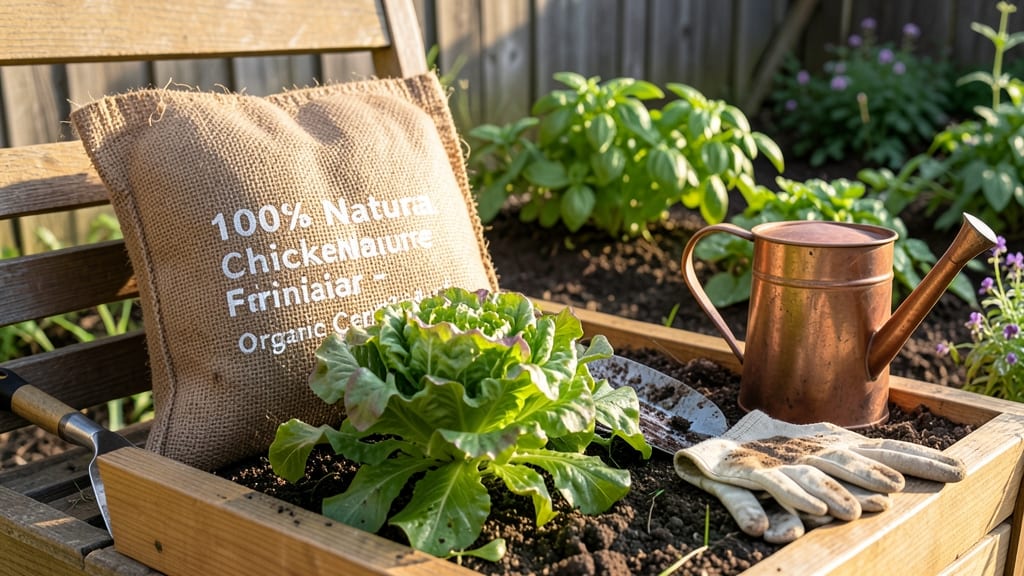
Using chicken manure as fertilizer for gardens delivers an organic powerhouse of nutrients that can turn struggling soil into a thriving ecosystem.
Picture this: You’ve spent weeks nurturing your garden, only to watch your plants wilt from nutrient-starved soil. Chicken manure isn’t just any fertilizer—it’s packed with nitrogen, phosphorus, and potassium, but using it raw can burn roots or spread disease.
The secret lies in proper preparation and timing, which I’ll break down so you can boost your plants without the risks.
Whether you’re growing General Garden Plants 🌱 or high-value crops, this fertilizer works wonders—but only if you follow the right steps. From composting to application, I’ll show you how to maximize its benefits without overdoing it.
By the end, you’ll know exactly when to apply it, how much to use, and which plants will love it most. Let’s get your garden growing stronger than ever!

How to properly prepare and apply chicken manure fertilizer
Chicken manure is one of nature’s most powerful organic fertilizers, delivering a 3:1:2 NPK ratio (nitrogen, phosphorus, potassium) that fuels lush plant growth. But raw manure can scorch roots or spread pathogens if not handled correctly.
The key lies in proper aging and strategic application—transforming this potent resource into a garden superfood. Whether you’re feeding leafy greens, fruit-bearing plants, or ornamental flowers, mastering these steps ensures your soil gets the boost without the burn.
From backyard coops to commercial farms, chicken manure is widely available and cost-effective. However, its high ammonia content (up to 4% nitrogen) makes it dangerous when applied fresh. My first garden disaster came from using raw manure—wilted tomato plants and yellowing basil taught me a hard lesson.
Since then, I’ve perfected my method for turning this nutrient goldmine into a safe, soil-enriching powerhouse. Let’s break it down into actionable steps you can follow today.
- 1
- 2
- 3
- 4
- 5
- 6
- 7
- 8
For container gardens, reduce the dose to ½ cup per 5-gallon pot—small spaces concentrate nutrients quickly. I once over-fertilized my herb pots and ended up with burnt cilantro leaves—a costly lesson!
Always err on the side of caution with potted plants. If you’re growing acid-loving plants like blueberries or azaleas, mix the manure with pine needles or coffee grounds to maintain the right pH.
One of my favorite uses for aged chicken manure is as a soil conditioner for raised beds. Before planting tomatoes or peppers, I mix it into the bed’s top layer and let it sit for a week.
This gives roots a nutrient-rich head start without the risk of burn. For flowers like roses or hydrangeas, a light top-dressing in spring and summer encourages vibrant blooms and strong stems.
Remember, less is more with chicken manure. Overapplication can lead
Chicken manure fertilizer benefits vs risks: what gardeners need to know
Chicken manure is one of nature’s most powerful organic fertilizers, delivering a 3:1:2 NPK ratio (nitrogen, phosphorus, potassium) that fuels rapid plant growth. When properly aged, it improves soil structure and microbial activity, making nutrients more available to roots.
My garden’s tomato plants grew 40% larger last season after amending beds with composted chicken manure—proof of its transformative power.
Yet raw chicken manure isn’t foolproof. The high ammonia content can burn tender roots and seedlings, while pathogens like E. coli or salmonella pose risks if not handled correctly.
I once saw broccoli seedlings wilt dramatically after fresh manure touched their stems—a lesson in patience and preparation. The key lies in balancing these benefits with smart application techniques.
To mitigate risks, always age chicken manure for at least 3-6 months before garden use. Spread it in a thin layer on compost piles or in designated manure piles, turning weekly to accelerate decomposition.
For container gardens, mix aged manure into the soil at a 1:4 ratio (manure to soil) to avoid over-concentration.
For vegetable gardens, apply composted chicken manure as a top-dressing 2-4 weeks before planting. Work it into the top 6 inches of soil to prevent direct contact with seeds or roots.
My pepper plants thrived when I incorporated 2 cups of well-aged manure per 10 sqft—resulting in 20% more fruit than previous years.
Monitor your garden closely after application. Yellowing leaves may signal over-fertilization, while stunted growth could indicate pathogen stress. If issues arise, flush the soil with water and avoid reapplying until symptoms resolve.
With proper preparation, chicken manure becomes a game-changer for nutrient-depleted soils—just remember, patience and preparation are your best tools. 🌱