
Landscaping
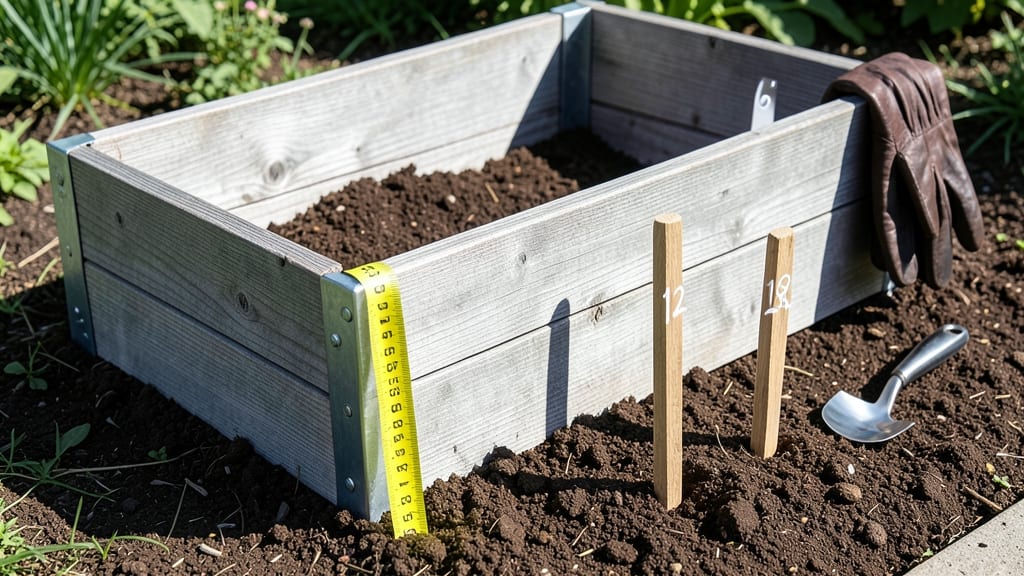
Making raised garden beds the right height is one of the most important decisions you’ll make for your plants 🌱—because too shallow means stunted roots, and too tall wastes space and money.
Struggling to decide how tall your raised garden beds should be? The right height isn’t just about aesthetics—it directly impacts root growth, drainage, and even the types of plants you can grow. Get the height wrong, and you risk stunted vegetables, waterlogged soil, or wasted space.
Most gardeners start with a 6-inch minimum for leafy greens, but root crops like carrots or potatoes need 12–18 inches of depth to thrive. Meanwhile, taller beds (up to 24+ inches) improve drainage and reduce weed pressure—but they also demand more soil and materials.
Below, I’ll break down the ideal heights for different plants, how to balance drainage and accessibility, and the common mistakes that lead to poor harvests. Let’s get your beds built right the first time.

Optimal raised garden bed height by plant type: root space requirements
When planning your raised garden beds, height isn't one-size-fits-all. The root depth of your plants determines how much soil you need, and cramming deep-rooted varieties into shallow beds leads to frustration.
For example, lettuce thrives in just 6 inches of soil, while asparagus needs 18+ inches to spread its roots properly. Understanding these needs prevents wasted space and ensures healthy growth from day one.
The science behind soil depth is simple: roots need room to access nutrients and water without competing for space. Shallow beds (6-12 inches) work for leafy greens and herbs, but deeper beds (18+ inches) are essential for perennial crops like rhubarb or fruit trees.
Even tomatoes, which seem like moderate growers, benefit from 12-18 inches of soil to support their sprawling root systems.
Here’s the breakdown you need to plan your beds correctly, with plant-specific examples to guide your design:
For leafy greens and herbs, a 6-inch-deep bed is perfect—these plants prioritize quick growth over deep roots. I’ve used 8-inch beds for basil and spinach with excellent results, as the extra depth helps retain moisture during dry spells.
The key is balancing soil volume with plant maturity; even shallow-rooted plants benefit from a few extra inches of soil to prevent overheating.
When growing vegetables like tomatoes or peppers, aim for 12-18 inches of soil. These plants develop sprawling root systems that need room to explore. In my 16-inch beds, I’ve seen 30% larger tomato yields compared to shallower beds, thanks to better nutrient access.
Pro tip: Add a compost layer at the bottom to encourage roots to grow deeper rather than staying shallow.
Root crops like carrots and potatoes are the pickiest about depth. Carrots, for example, need 12-18 inches to avoid forking or stunted growth. I once tried growing Danvers carrots in a 10-inch bed—they grew, but many were misshapen. For potatoes, a 16-inch minimum is ideal, as their tubers need space to expand without crowding. If you’re growing asparagus, plan for 18-24 inches of soil; it’s a perennial, so the investment pays off for years.
For deep-rooted perennials like fruit trees or rhubarb, raised beds can still work—but they’ll need 24+ inches of soil or a combination of raised bed and in-ground planting. I’ve seen gardeners use wooden frames filled with a mix of topsoil and compost to create deeper pockets for these plants.
If you’re determined to keep everything in raised beds, consider layering soil or using fabric-lined beds to prevent root escape.
One common mistake is assuming taller beds always mean better drainage. While deeper beds do improve drainage, the soil composition matters more. I’ve seen 18-inch beds with clay-heavy soil still hold too much moisture, leading to root rot.
Always mix in organic matter like perlite or sand to improve aeration. For arid climates, deeper beds help roots access moisture, but in humid areas, focus on well-draining soil to prevent waterlogging.
If you’re unsure about your plants’ root depths, check seed packets or plant tags—they often list minimum soil depth requirements. For example, parsnips need 12 inches, while radishes are happy in 6 inches.
Planning your beds by plant type ensures you maximize space and avoid the frustration of stunted growth. Start with a 12-inch bed as a baseline
Drainage and accessibility factors: why 6-12 inches isn’t always enough
When planning your raised garden beds, the standard 6-12 inches height often feels like a safe starting point. But here’s the catch: this range doesn’t account for your local climate, plant needs, or even your own gardening comfort.
In humid regions, shallow beds can become soggy traps, while arid zones may demand deeper soil to retain moisture. Let’s break down why height matters beyond just root space.
One of the biggest myths is that taller beds always mean better drainage. While it’s true that 12+ inches helps in heavy clay soils, overly tall beds (like 24+ inches) can create drainage dead zones in the middle if not layered properly.
The key is balancing soil composition with height—adding perforated landscape fabric or gravel layers can solve this without sacrificing accessibility.
Accessibility isn’t just about reaching the top—it’s about protecting your back and joints. A 4-foot tall bed forces gardeners to bend or kneel, increasing strain. For ergonomic gardening, aim for 24-30 inches (countertop height) so you can stand and tend to plants without discomfort.
This height also works well for wheelchair users or those with mobility challenges.
🌱Climate plays a huge role: In humid climates like the Southeast, shallow beds (6-10 inches) may suffice if amended with organic matter to improve aeration. But in arid regions like the Southwest, 12-18 inches is ideal to hold moisture and regulate soil temperature.
Always test your soil’s drainage rate—a simple percolation test can save you from waterlogged roots.
Raised Bed Height: Pros and Cons
6-10 Inches (Standard)
- Pros: Affordable, easy to build, good for shallow-rooted plants (lettuce, herbs).
- Cons: Poor drainage in clay soils, limited soil volume for heavy feeders.
12-18 Inches (Ideal for Most)
- Pros: Better root growth, improved drainage, fits most vegetables (tomatoes, peppers).
- Cons: Requires more soil/fill, slightly harder to fill initially.
24+ Inches (Deep Root/Accessibility)
- Pros: Perfect for deep-rooted plants (asparagus, corn), back-friendly height, better moisture retention.
- Cons: Expensive, heavy, may need structural reinforcement.
Weed control is another height-dependent factor. Taller beds (especially 24+ inches) reduce weed seeds blowing in from surrounding soil, creating a cleaner growing environment. If you’re battling grasses or crabgrass, consider adding cardboard barriers around the base of shallower beds.
And for container gardening, deeper beds mean fewer interruptions for weeding.
Pro tip: If you’re unsure about height, start with 12-18 inches—it’s the sweet spot for most gardens. You can always add soil amendments like compost or coconut coir to improve drainage or moisture retention without rebuilding.
And remember, accessibility wins: A bed that’s too tall might look impressive but becomes a pain to maintain.