
Fertilization
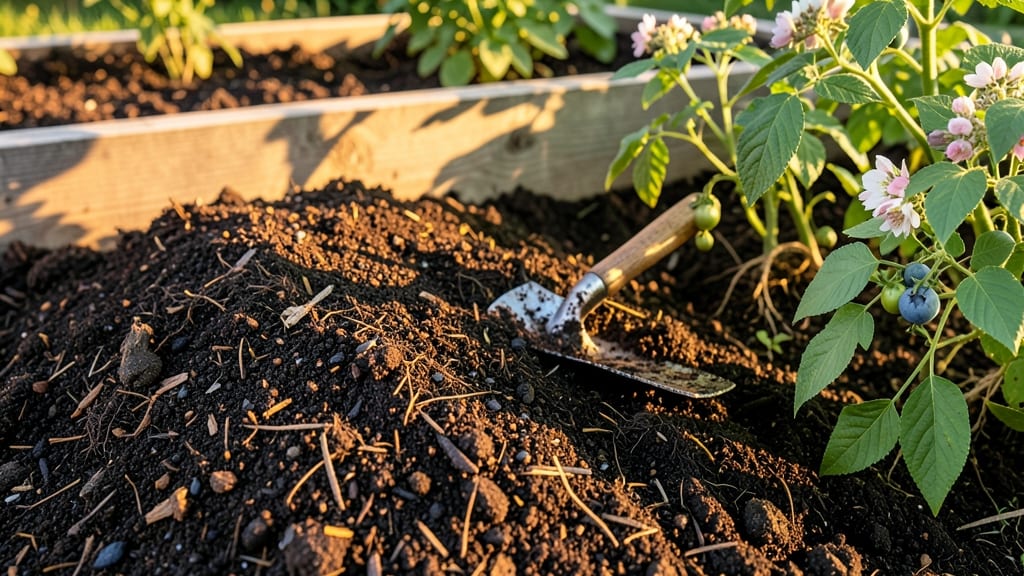
Using coffee grinds in your garden boosts soil fertility by enriching organic matter, adjusting acidity levels, and deterring pests, but they must be composted first to avoid mold or over-acidifying sensitive plants.
Coffee grinds work like a natural fertilizer because they break down slowly, releasing nitrogen and other nutrients over time. 🌱 The acidic nature helps acid-loving plants like blueberries and azaleas thrive, while the caffeine content acts as a mild pest deterrent.
I've found that mixing them into compost piles or sprinkling lightly around plants (never directly on roots) gives the best results without risking soil imbalance.
For best results, use about 1 cup of used grinds per plant per month—too much can make the soil too acidic. Always compost fresh grinds first to prevent mold and nutrient burn, especially for plants sensitive to acidity like tomatoes or peppers.
The key is balance: these grinds are a powerhouse, but moderation keeps your garden happy and healthy.
💡 In This Article
- How Coffee Grounds Enhance Soil Health and Plant Nutrition
- Best Ways to Apply Coffee Grounds in Your Garden
How coffee grounds enhance soil health and plant nutrition
Coffee grounds work as a soil enhancer primarily because of their nutrient profile and microbial-stimulating properties. When decomposed, they release 2% nitrogen by weight—about half the amount of synthetic fertilizers—but this nitrogen becomes available slowly over 3-6 months, providing a steady, low-dose boost to plants.
The grinds also contain potassium (0.6%) and phosphorus (0.2%), essential for root development and flowering, while trace minerals like magnesium and copper support enzyme functions in plants.
The real magic happens below the surface where microbial activity skyrockets. Coffee grounds contain melanoidins, complex organic compounds that act as a food source for beneficial soil bacteria and fungi. These microorganisms break down the grinds into humus, improving soil structure and water retention.
Think of it like a buffet for your soil's tiny ecosystem—each bite they take releases more nutrients for your plants. The texture of used grinds also helps aerate compacted soil, creating tiny air pockets that roots love.
For acid-loving plants, coffee grounds are a game-changer because they lower soil pH gradually. Fresh grinds have a pH of about 6.2-6.8, but as they decompose, they can drop the surrounding soil pH to 5.0-6.0—ideal for blueberries, azaleas, and hydrangeas.
This acidity boost comes from organic acids like chlorogenic acid and caffeine (yes, the same stimulant in your morning brew) that inhibit certain fungal pathogens while attracting earthworms, nature's soil plowers. 🌿
However, this acidifying effect works both ways. While it benefits acid-loving plants, it can stress others like tomatoes or peppers that prefer neutral to slightly alkaline soil (pH 6.0-7.0).
The key is moderation—never apply more than 1 cup per square yard at a time, and always mix them into the top 2-3 inches of soil rather than piling them on the surface. Overapplication can create a "coffee layer" that inhibits water penetration and smothers roots.
What most gardeners don't realize is how the caffeine in coffee grounds acts as a natural pest deterrent. Studies show that even small amounts (0.1% caffeine concentration) can repel slugs, snails, and some insects without harming beneficial predators like ladybugs.
The bitter compounds create an unpleasant environment for soft-bodied pests while attracting earthworms that aerate the soil. This dual action makes coffee grounds one of the most underrated organic amendments available.
To maximize these benefits, always compost fresh grinds first. Raw coffee grounds can attract mold and fruit flies while competing with plants for nitrogen during decomposition.
A simple solution is to mix them with equal parts brown leaves or straw in a compost bin, where they'll break down in 2-4 weeks into nutrient-rich humus ready for garden use. This pre-processing eliminates waste while creating a supercharged soil amendment.