
Fertilization
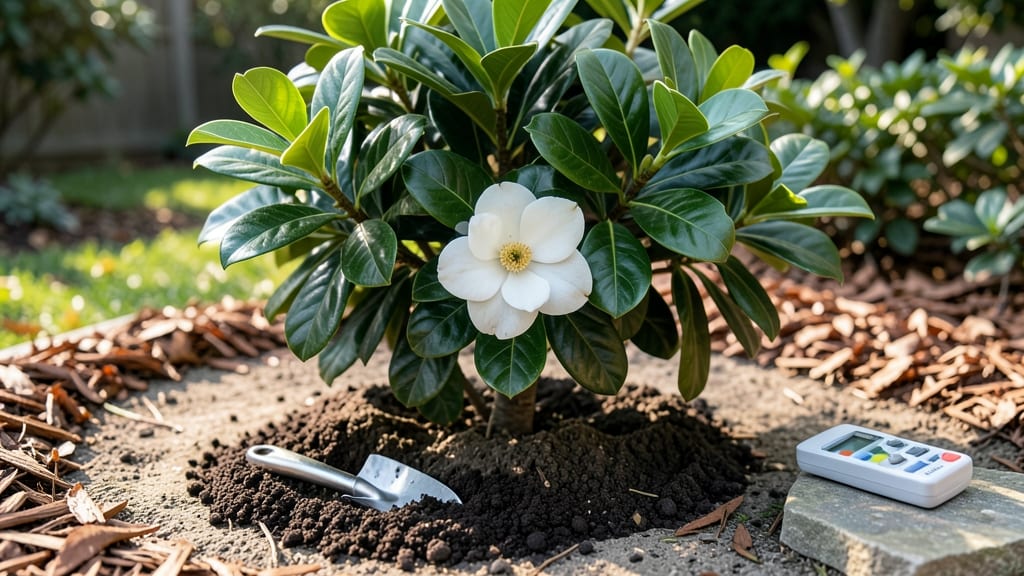
Coffee grounds for gardenias can boost growth by adding acidity and nutrients, but use them carefully—mix 1-2 tablespoons into soil monthly or compost them first to avoid over-acidification or mold. Never place them directly on stems or roots.
Gardenias thrive in acidic soil, and coffee grounds naturally lower pH while adding nitrogen and phosphorus—key nutrients for lush blooms. 🌿 However, their caffeine content can harm plants if overused, so composting them first breaks down the caffeine and balances nutrients.
I’ve found that mixing them with other organic matter like peat moss creates a safer, more stable fertilizer blend.
For best results, apply coffee grounds in early spring when new growth begins, and avoid using them in winter when gardenias are dormant. Watch for signs of overuse like yellowing leaves or fewer blooms, which signal too much acidity or fungal growth.
If you notice these, flush the soil with water and reduce future applications.
💡 In This Article
- Why Coffee Grounds Benefit Gardenia Soil Chemistry
- Best Practices for Feeding Gardenias with Coffee Grounds
Why coffee grounds benefit gardenia soil chemistry
Coffee grounds work wonders for gardenias because they naturally acidify soil—a critical need for these acid-loving plants. Fresh coffee grounds have a pH of around 4.8-5.0, which is perfect for lowering gardenia soil pH from neutral (7.0) to the ideal acidic range of 5.0-6.0.
This acidity boosts nutrient availability, particularly iron and manganese, which gardenias need for vibrant foliage and abundant blooms. The organic matter in coffee grounds also improves soil structure by enhancing water retention and aeration, creating an ideal environment for root development.
The real magic happens when coffee grounds decompose. As they break down, they release nitrogen (essential for leaf growth) and phosphorus (key for flowering), along with trace minerals like potassium and magnesium. This nutrient cocktail mirrors what gardenias crave during their active growing season.
However, the caffeine in coffee grounds—though broken down during composting—can act as a mild herbicide if applied directly or in excess, which is why moderation is crucial. 🌱
Microbial activity is another game-changer. Coffee grounds attract beneficial soil bacteria and fungi that help decompose organic matter and release nutrients in forms gardenia roots can absorb. These microbes also produce enzymes that further break down complex compounds in the soil, creating a more fertile environment.
Think of it like a mini ecosystem where every component supports the other, ultimately leading to healthier plants and more prolific blooms.
But here's the catch: fresh coffee grounds can create a nitrogen-rich environment that may outpace phosphorus availability, leading to lush foliage but fewer flowers. Gardenias need that phosphorus-to-nitrogen balance (around 1:1) to produce their signature fragrant blooms.
This is why composting coffee grounds for at least 4-6 weeks before use is ideal—it allows the nitrogen to stabilize while preserving the phosphorus and other nutrients.
Overuse, however, can backfire. Too much acidity (below 4.5 pH) or excess nitrogen can stress gardenias, leading to yellowing leaves or even fungal issues like root rot. The caffeine in unprocessed grounds can also inhibit seed germination and harm beneficial soil organisms if applied too frequently.
This is why the 1-2 tablespoon monthly guideline exists—it provides just enough acidity and nutrients without overwhelming the plant's delicate balance.
For visual learners, imagine this: A gardenia plant in soil with properly composted coffee grounds will have deep green leaves with a slight waxy sheen, strong stems, and clusters of buds ready to bloom.
In contrast, over-acidified soil might show brown leaf tips or a plant that produces lots of leaves but few flowers—a clear sign the nitrogen-phosphorus balance is off. The key is finding that sweet spot where the soil chemistry supports both foliage and floral growth.