
Plants
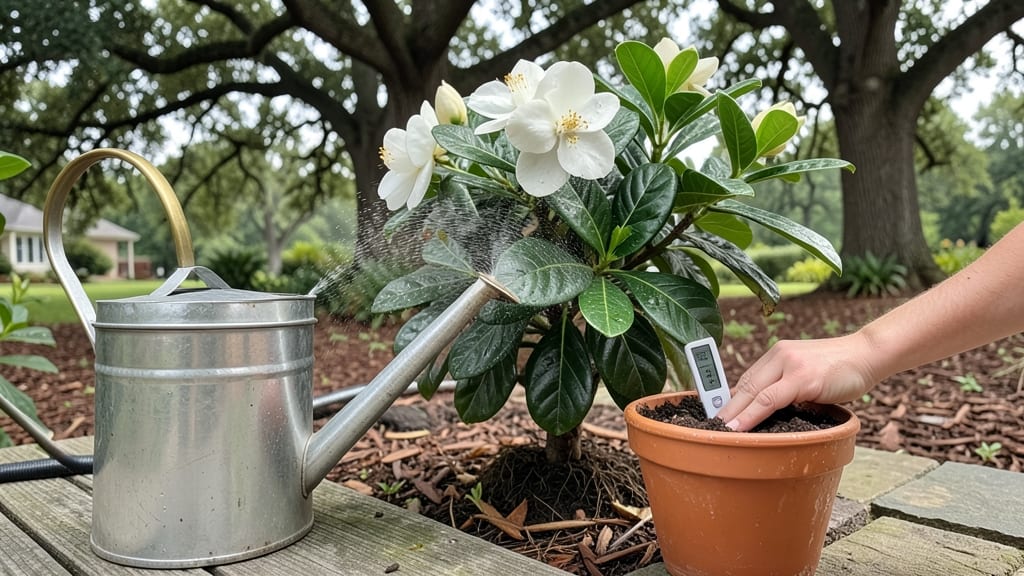
A gardenia plant needs about 1 inch of water per week to thrive and produce those intoxicating blooms—though how you deliver it makes all the difference.
Struggling to keep your gardenia plant thriving with fragrant blooms? The secret lies in mastering its watering schedule—too much or too little can spell disaster for this tropical beauty.
Gardenias love moisture but hate soggy roots, which means deep watering every 5-7 days in summer and scaling back to every 2-3 weeks in winter keeps them happy without drowning them.
Below, I’ll break down the exact weekly schedule for each season, how to tell if you’re over- or under-watering, and the best methods to keep your 🌸 blooming like a pro.


Garden watering requirements by season: a detailed weekly schedule
Mastering your gardenia plant's watering schedule is the key to those lush, fragrant blooms you dream of. Since gardenias thrive in humid, tropical conditions, their hydration needs shift dramatically with the seasons. Understanding these changes ensures your plant stays healthy year-round, whether it's in containers or in-ground plantings.
Gardenias prefer consistent moisture but despise soggy roots, making seasonal adjustments critical. In summer's heat, you'll water more frequently, while winter dormancy requires minimal hydration. Let's break down the exact weekly watering schedule for each season to keep your gardenia thriving.
🌸 GARDENIA WATERING SUMMARY BY SEASON:
In spring, your gardenia enters its active growth phase, requiring weekly deep watering to support new foliage and bud formation. Check soil moisture by sticking your finger 2 inches deep—if it feels dry, it's time to water.
This season, aim for 6-8 inches of penetration to encourage strong root development.
When summer heat arrives, increase your watering frequency to every 5-7 days, depending on your climate. Gardenias in containers dry out faster than in-ground plants, so monitor them closely.
Water deeply—8-10 inches—to reach the roots where they'll absorb the most moisture. Early morning watering prevents evaporation and fungal issues.
As fall temperatures drop, reduce watering to bi-weekly intervals. Your gardenia prepares for dormancy, so let the top 1 inch of soil dry out between waterings. This helps prevent root rot while still supporting bloom production. Mulch around the base to retain moisture and regulate soil temperature.
During winter dormancy, your gardenia's water needs plummet. Only water monthly or when the top 4 inches of soil are dry. Overwatering in cold weather suffocates roots and invites disease.
If you're in a warmer winter zone, you may need slight adjustments, but generally, minimal hydration is key.
Environmental factors like humidity levels and wind exposure also influence your gardenia's needs. In low-humidity areas, increase watering slightly, while high winds accelerate moisture loss. Always adjust your schedule based on your plant's specific responses—yellowing leaves or drooping blooms signal it's time to reassess.
For container-grown gardenias, watering needs are more frequent due to limited soil volume. Check containers daily in summer, as they can dry out in just 2-3 days. Use a moisture meter for accuracy, especially if your gardenia shows signs of stress like wilted leaves or dropped buds.
Pro tip: Always water at the base of the plant, avoiding the foliage to prevent fungal diseases. Use a slow-release watering can or drip irrigation system for even moisture distribution. With this seasonal schedule, your gardenia will reward you with abundant, fragrant blooms year after year.
Signs of overwatering vs underwatering gardenias: what to watch for
Gardenia plants thrive on a delicate balance of moisture, but overwatering or underwatering can quickly turn your fragrant blooms into a sad, wilted mess. As someone who's nursed gardenias back to health, I know how critical it is to spot these signs early.
The key lies in observing both visual cues and tactile indicators—like leaf texture and soil moisture—that reveal what your plant truly needs.
When your gardenia's leaves start yellowing or developing brown edges, it's often a cry for help. But here's the catch: these symptoms can mean too much water or too little, depending on other factors like humidity and drainage.
That's why I always check the soil first—it's the most reliable indicator before jumping to conclusions. Let's break down what to look for in each case.
How Much Water Does a Gardenia Plant Need?
Pros of Proper Watering
- ✅ Lush foliage and vibrant blooms
- ✅ Healthy root growth and stability
- ✅ Prevents fungal diseases like root rot
- ✅ Consistent flowering throughout season
Cons of Improper Watering
- ❌ Yellow leaves from overwatering
- ❌ Drooping from underwatering
- ❌ Root rot in soggy soil
- ❌ Stunted growth from inconsistent moisture
For overwatered gardenias, watch for mushy stems and yellow leaves that feel soft to the touch. The soil will often smell sour or have a musty odor, signaling bacterial or fungal growth.
I've seen gardenias in containers suffer most from this—water gets trapped, and roots suffocate. If you're unsure, stick your finger 1-2 inches into the soil; if it's damp, hold off on watering.
On the flip side, underwatered gardenias show crispy brown edges on leaves and a dry, brittle texture. The soil will pull away from the pot edges, and the plant may wilt dramatically by afternoon.
I once let mine go too long without water, and the leaves curled like parchment paper—scary stuff! The fix? Water thoroughly until it runs out the drainage holes, then let the top 1-2 inches dry before watering again.
Don't forget to adjust your approach based on seasonal changes. In summer heat, gardenias may need watering every 5-7 days, while winter dormancy often requires only monthly watering. Container plants dry out faster than in-ground ones, so I always check their soil moisture more frequently.
Pay attention to these cues, and your gardenia will reward you with abundant, fragrant blooms all season long.
If you catch these signs early, your gardenia can bounce back quickly. For overwatering, let the soil dry out completely before resuming your routine. For underwatering, give it a deep drink and monitor closely for the next few days.
With the right balance, your gardenia will thrive—just like mine does after I learned these lessons the hard way! 🌸