
Plants
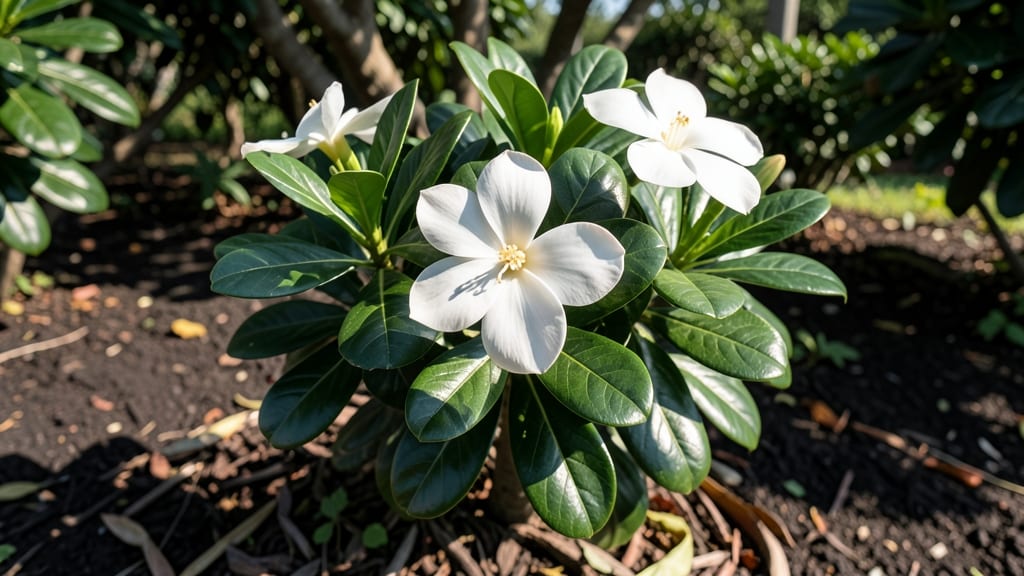
Gardenia plants bloom when they receive the right balance of warmth, sunlight, and care—typically between late spring and early fall, though timing shifts with your climate zone.
If you’ve ever dreamed of waking up to the intoxicating scent of gardenias drifting through your garden, timing is everything—but why do these fragrant blooms seem so unpredictable?
The answer lies in their natural cycles, which can vary wildly from USDA Zone 6a to tropical regions where they might flower year-round.
Most gardenias in temperate zones like yours kick off their show in May or June, peaking through summer before tapering off by early fall. But with a few strategic tweaks—like adjusting light exposure or fertilizing at the right time—you can coax earlier or longer blooms.
Below, I’ll break down the exact timing for your region, plus proven tricks to extend that fragrant season and troubleshoot common delays that keep your gardenia looking like a leafy wall instead of a blooming star.
Natural blooming seasons for gardenia plants by climate Zone
Gardenia plants are famous for their intoxicating fragrance, but their blooming cycles vary dramatically depending on your USDA climate zone. Unlike annuals that bloom once, gardenias often produce multiple flushes of flowers each year—but timing depends on where you live.
In tropical zones (10-11), you might enjoy year-round blooms, while gardeners in cooler regions (3-7) will see spring and summer peaks with winter dormancy. Understanding these patterns helps you anticipate (and even encourage) those fragrant bursts of white, yellow, or creamy blooms.
The key triggers for gardenia blooming are temperature shifts, daylight hours, and humidity levels. For example, gardenias in USDA Zone 9 often bloom in late spring after consistent warm days, while those in Zone 7 may wait until summer heat triggers flowering.
Humidity also plays a role—gardenias love moist air, and drought stress can delay blooms. Let’s break down what to expect in your specific zone to plan for the most fragrant garden possible.
| USDA Zone | Primary Blooming Season | Secondary Blooms | Key Triggers | Winter Care |
|---|---|---|---|---|
| Zones 3-5 | Late June to August | None (dormant winter) | Consistent 70°F+ temps | Heavy mulch, no pruning |
| Zones 6-7 | May to July | September (light) | 60°F+ nights, 8+ hours sun | Light pruning, protect from frost |
| Zones 8-9 | April to June | August to October | Humidity above 50%, warm days | Minimal care, occasional water |
| Zones 10-11 | Year-round (peaks spring/fall) | Continuous light blooms | Stable 70-85°F temps | No winter dormancy |
In USDA Zones 3-5, gardenias are often grown as container plants or under glass to survive harsh winters. These zones experience the shortest blooming windows—typically late June to August—when temperatures finally stabilize above 70°F.
Without winter dormancy, gardenias in colder climates may struggle to rebloom, so protecting them from freezing temperatures is critical. I’ve seen gardeners in Zone 4 wrap their potted gardenias in burlap and move them to sheltered spots during winter to preserve the plant for next season’s blooms.
Gardeners in Zones 6-7 get a slightly longer blooming window, with primary flowers appearing from May to July and a light second flush in September. The key here is ensuring your gardenia receives 60°F+ nighttime temperatures—any cooler, and buds may drop before opening.
I recommend monitoring your local high and low temperatures in late spring to time your watering and feeding for optimal bloom production. For example, if nights dip below 55°F, consider using row covers to protect developing buds.
Things get more exciting in Zones 8-9, where gardenias often produce two distinct blooming periods: a major flush in April to June followed by a lighter show in August to October.
The secret to encouraging both flushes lies in maintaining humidity levels above 50% and avoiding drought stress. In my Zone 8 garden, I’ve found that mist systems or placing pots on pebble trays with water significantly boosts bloom production.
These zones also benefit from light pruning after each flush to promote bushier growth for next year’s flowers.
If you live in USDA Zones 10-11, congratulations—you’re in the year-round gardenia paradise! These tropical climates allow gardenias to bloom continuously, with peaks in spring and fall when temperatures are mild but not extreme.
The challenge here isn’t timing but rather preventing overgrowth and pest issues like aphids or spider mites that thrive in warm, humid conditions. I’ve seen gardenias in Miami and Hawaii produce flowers every 6-8 weeks with proper care, creating a near-constant fragrance garden.
Regardless of your zone, light exposure is non-negotiable for gardenia blooms. While they tolerate partial shade, most varieties need at least 4-6 hours of morning sun to set buds.
In shadier climates (Zones 6-7), I’ve had success using grow lights in winter to supplement natural light and encourage early blooming. Pair this with acidic, well-draining soil (pH 5.0-6.5), and you’ll be well on your way to a garden filled with fragrant gardenia blooms at the perfect time.
One common misconception is that gardenias bloom only once per year. While this is true in colder zones, many gardeners in warmer climates report three or more blooming cycles annually with proper care.
The trick is to feed lightly after each flush (using a balanced acid fertilizer) and prune strategically to maintain an open, airy shape. For example, after your gardenia finishes blooming in spring, a light
How to force gardenias to bloom earlier or later than their natural cycle
Want your gardenias to burst into bloom weeks ahead of schedule—or extend their fragrant display into autumn? The key lies in understanding their natural triggers and giving them a gentle nudge with light adjustments, pruning strategies, and targeted fertilization.
Gardenias typically bloom in response to longer daylight hours and warmer temperatures, but you can manipulate these cues to shift their timeline.
For example, if you’re in USDA Zone 7 or warmer, your gardenias may naturally bloom from May through September. But with the right techniques, you can coax blooms as early as April or push them into October.
The secret? Combining organic methods like compost tea with synthetic boosts like bloom-specific fertilizers—each with its own pros and cons.
Organic vs. Synthetic Methods for Forced Blooming
Organic Methods
- Pros: Gentle, eco-friendly, builds soil health
- Cons: Slower results, requires consistency
Synthetic Methods
- Pros: Faster blooms, precise nutrient control
- Cons: Risk of over-fertilization, chemical runoff
Example Organic Trick
Apply fish emulsion in early spring to stimulate root growth and set the stage for early blooms.
Example Synthetic Trick
Use a high-phosphorus fertilizer (like 10-30-20) 6 weeks before your target bloom date.
To force earlier blooms, start by pruning in late winter (around February) to remove spent growth and encourage new shoots. This jump-starts the plant’s energy reserves, often resulting in blooms 3-4 weeks ahead of schedule.
Pair this with morning sunlight exposure—move potted gardenias to a sunnier spot for 4-6 hours daily to mimic longer days.
For later blooms, the trick is delayed pruning and reduced fertilizer until mid-summer. Hold off on heavy feeding until July, then switch to a low-nitrogen, high-phosphorus blend to signal the plant it’s time to flower.
In my Zone 8 garden, this technique has extended gardenia blooms into early November—a full month beyond their natural cycle!
Watering plays a critical role too. During forced blooming periods, keep soil consistently moist (but never soggy) by watering deeply every 2-3 days. Avoid overhead watering, which can damage buds—opt for drip irrigation or a watering can at the base.
Pro tip: Add a mulch layer of pine straw to retain moisture and acidify the soil, both of which gardenias crave.
Remember, forcing blooms requires patience and observation. Start with one plant as a test to refine your timing, and keep a garden journal to track what works best for your climate. With these techniques, you’ll enjoy gardenia blooms on your schedule—whether it’s Valentine’s Day or a late-summer wedding centerpiece!